
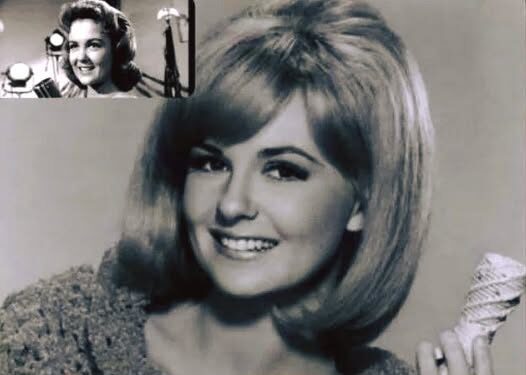
Shelley Fabares and the Lasting Legacy of “Johnny Angel” in Early 1960s Pop Culture
A Changing Era in American Music
During the early 1960s, American popular music was experiencing a noticeable transformation. The sound of the time began shifting toward softer, emotionally driven songs that reflected the everyday feelings of young listeners.
This period emphasized themes such as first love, admiration, and personal identity. Music became closely tied to the experiences of teenagers, offering a relatable outlet for emotions that were often difficult to express directly.
Early Life and Entry Into Entertainment
Shelley Fabares grew up in Santa Monica, California, surrounded by an environment closely connected to the entertainment industry. This early exposure played a role in shaping her interest in performing.
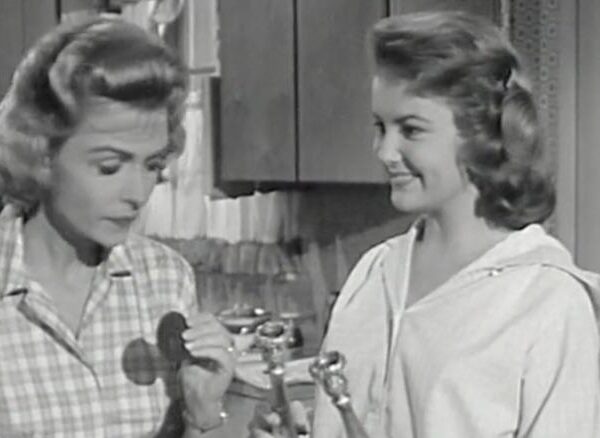
She gained recognition at a young age through her role as Mary Stone in the television series The Donna Reed Show. Her performance helped establish a wholesome and approachable public image.
A Natural Transition Into Music
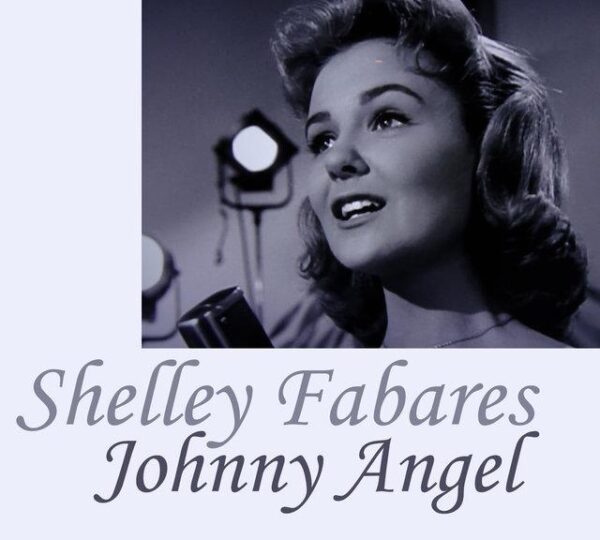
During this time, it was common for television actors to explore opportunities in music. The entertainment industry often encouraged performers to expand their presence across multiple platforms.
Fabares’ move into recording was part of this broader trend. Although her background was primarily in acting, the transition into music aligned with industry expectations for rising television personalities.
The Breakthrough Success of “Johnny Angel”
In 1962, Shelley Fabares released the single “Johnny Angel,” which quickly gained widespread attention. The song captured the emotional tone of early 1960s pop music with its focus on admiration and quiet affection.
The lyrics reflected a sense of innocence, describing feelings that many young listeners could easily relate to. This connection helped the song resonate strongly with audiences.
“Johnny Angel” went on to reach the number one position on the Billboard Hot 100 chart in the United States. Its success also extended internationally, further solidifying its place in popular music history.
Why the Song Connected With Audiences
The appeal of “Johnny Angel” was rooted in its simplicity and emotional honesty. It represented a time when communication between young people was often indirect and shaped by imagination.
Without the influence of modern technology, music played a significant role in expressing personal feelings. Songs like this allowed listeners to relate to experiences of admiration and longing.
The production featured a polished arrangement, combining soft vocals with carefully crafted backing elements. This created a balanced sound that supported the emotional message of the song.
Challenges of Sustaining Musical Success
Following the success of “Johnny Angel,” a follow-up single titled “Johnny Loves Me” was released. While it received some attention, it did not achieve the same level of impact as the original hit.
This outcome highlighted the challenges many artists faced in maintaining consistent success in a rapidly changing industry. Musical trends were evolving quickly, making it difficult to replicate earlier achievements.
Shifting Trends in the 1960s
As the decade progressed, the musical landscape began to shift significantly. New influences introduced more energetic styles that started to dominate mainstream audiences.
This transition reduced the popularity of the softer ballad style that had defined the early 1960s. Artists who initially found success in that style often needed to adapt or refocus their careers.
A Return to Acting
Recognizing the changes in the music industry, Shelley Fabares chose to return her focus to acting. This decision aligned with her established experience and long-term stability in television and film.
Her transition back into acting was smooth, allowing her to continue building a steady career. She remained a familiar presence on screen for years to come.
Expanding Her Career in Film and Television
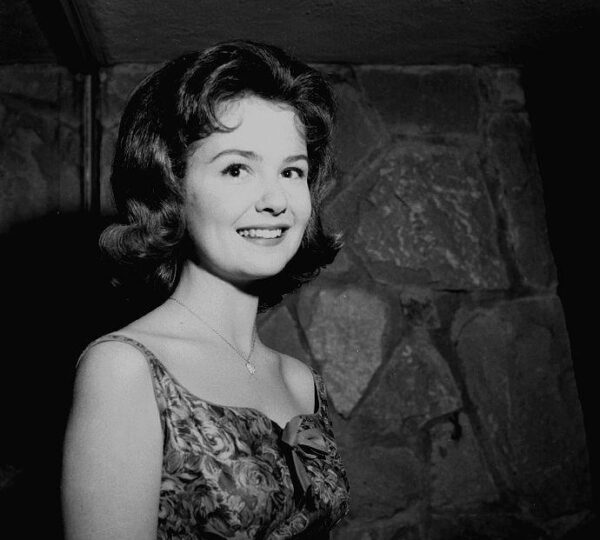
Fabares later appeared in several films alongside Elvis Presley, expanding her visibility within the entertainment industry. These roles demonstrated her ability to work across different formats.
In addition to film, she continued to appear in television series such as One Day at a Time and Coach. These roles introduced her to new audiences and reinforced her lasting presence in entertainment.
The Enduring Impact of “Johnny Angel”
Although her recording career was relatively brief, “Johnny Angel” remained an important part of her legacy. The song continued to be recognized as a defining example of early 1960s pop music.
Its emotional clarity and gentle tone contributed to its lasting appeal. Even decades later, it continues to be associated with themes of youthful admiration and sincerity.
A Reflection of Its Time
The song also serves as a reflection of the cultural environment in which it was created. During that era, music played a central role in shaping how young people expressed themselves.
Rather than relying on instant communication, individuals often turned to music as a way to process and share their emotions. This gave songs like “Johnny Angel” a deeper cultural significance.
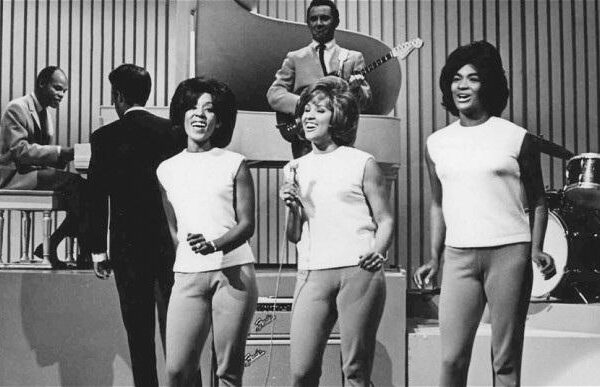
Musical Style and Simplicity
The arrangement of the song was intentionally simple, allowing the lyrics and emotional tone to remain the primary focus. This approach made it accessible to a wide audience.
Music historians often view it as a representative example of the teen-pop era, where storytelling and emotional connection were prioritized over complex production.
A Career Defined by Versatility
Shelley Fabares’ career reflects her ability to adapt within a changing industry. While her time in music was brief, her continued success in acting demonstrated her versatility.
By focusing on her strengths, she was able to maintain a long and stable presence in entertainment. This adaptability helped her remain relevant across different generations.

Lasting Cultural Recognition
Today, “Johnny Angel” is often remembered as more than just a hit song. It stands as a cultural snapshot of a specific moment in American pop history.
The song continues to appear in nostalgic collections and media, highlighting its ongoing relevance. Its themes remain universally understood, contributing to its enduring popularity.
A Timeless Expression of Emotion
The lasting appeal of “Johnny Angel” lies in its ability to capture a simple yet powerful emotion. Its message of admiration and quiet longing continues to resonate with listeners.
Through both her acting achievements and her brief musical success, Shelley Fabares remains an important figure in mid-20th-century entertainment.
Her work reflects a period when television, film, and music were becoming increasingly connected, shaping the cultural landscape of the time.