
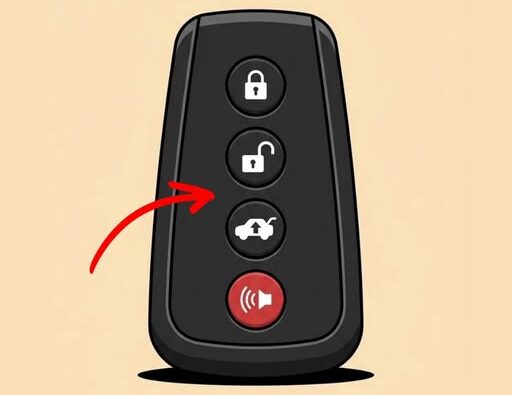
What to Do If Your Car Key Fob Suddenly Stops Working
An Unexpected Problem at the Worst Time
Everything can seem perfectly normal until a small device causes a major inconvenience. That is often how key fob problems happen. A relaxing day out, a smooth drive, and plans to head home can quickly turn stressful when the car no longer responds to the remote.
Many drivers rely on keyless entry every day without thinking twice about it. Unlocking doors, starting the engine, and securing the vehicle often happen with one press of a button. When that button stops working, it can feel like the entire car has shut you out.
A dead key fob battery is one of the most common reasons for this issue. The good news is that in many cases, there are practical ways to get back on the road without major repairs.
Stay Calm and Check the Basics
The first reaction is often frustration. Many people press the buttons repeatedly, try different angles, or assume something serious has happened to the vehicle.
Before assuming the worst, pause and check simple possibilities. Stand closer to the car, make sure nothing is blocking the signal, and try each button once more. If there is still no response, the battery inside the key fob may have lost power.
That situation is inconvenient, but it is usually manageable.

source: Pexels
Use the Hidden Physical Key
Many modern key fobs include a built-in mechanical key. Because it stays tucked inside the remote, drivers sometimes forget it exists until an emergency happens.
Look for a small release button, slider, or latch on the side or back of the fob. Once activated, a metal key usually slides out. This key can often unlock the driver’s door manually.
Using it may feel unfamiliar if you have relied on remote entry for years, but it remains one of the most useful backup features on many vehicles.
Once inside the car, you can move on to the next step and attempt to start the engine.
Try the Backup Start Method
Getting into the vehicle is only part of the solution. The next concern is whether the engine will start when the fob battery is dead.
Many push-button start vehicles include a backup detection system. In some models, placing the key fob directly against the start button or a designated area inside the cabin allows the car to recognize the chip inside the remote.
After holding the fob in place, press the brake pedal and try starting the vehicle normally. If the system detects the key, the engine may start even though the remote buttons no longer function.
This feature can be extremely helpful when stranded in a parking lot, driveway, or roadside location.
Replace the Battery as Soon as Possible
Even if you manage to unlock and start the car, replacing the battery should be the next priority. A weak battery often works inconsistently before failing completely.
Many key fobs use common coin-style batteries such as CR2032 or CR2025. These are widely available in stores and are often inexpensive.
To replace the battery, carefully open the remote casing. Some models snap apart, while others may require a small tool. Remove the old battery, note the correct orientation, and insert the new one in the same position.
Once reassembled, test the buttons near the vehicle. In many cases, normal operation returns immediately.

Check for Smartphone Access
Some newer vehicles offer mobile apps that provide remote functions. Depending on the model, these apps may allow door unlocking, remote starting, or location tracking.
If the feature has already been activated, a smartphone can serve as a valuable backup when the physical remote fails.
This option is especially useful during travel or in bad weather when waiting outside the vehicle is difficult.
Drivers who own compatible vehicles may benefit from setting up the app before an emergency occurs.
When to Contact Roadside Assistance
If none of the backup methods work, professional help may be the best solution. Roadside assistance programs offered through insurance companies, vehicle manufacturers, or membership services can often help with lockouts and battery-related problems.
In some situations, the issue may not be the key fob battery at all. Damage to the remote, a vehicle battery problem, or a malfunctioning sensor could prevent normal operation.
Having a trained technician inspect the situation can save time and reduce further stress.
How to Prevent Future Key Fob Problems
Small preventive steps can help avoid repeat problems. Replacing the battery every few years, especially when the range becomes weaker, is a smart habit.
Keeping a spare battery at home or in a travel kit can also be useful. Drivers who depend heavily on keyless systems may appreciate having one ready when needed.
It is also wise to learn where the hidden mechanical key is located and how it releases from the remote. Knowing this before an emergency can make a big difference.
If your vehicle offers smartphone controls, setting them up in advance creates another layer of convenience and security.

A Small Device With a Big Role
Key fobs are compact, but they handle an important part of daily driving. Because they work so effortlessly most of the time, it is easy to overlook how essential they have become.
When they suddenly fail, the moment can feel far more dramatic than expected. Fortunately, most dead key fob situations have straightforward solutions.
Using the physical key, trying the backup start method, replacing the battery, or contacting assistance can often resolve the issue quickly.
With a little preparation, a dead key fob can become a minor delay instead of a major disruption.