
What Lines on Your Nails May Reveal About Your Health
Small Changes Often Go Unnoticed
Nails usually receive attention for grooming and appearance, yet they can also reflect changes happening within the body. Subtle ridges, faint lines, shifts in color, or differences in texture may appear gradually and go unnoticed for long periods.
In many situations, these changes are harmless and linked to aging or daily wear. In other cases, they may signal nutritional imbalances, recent illness, or health conditions that deserve attention.
The most important step is observation. Not every mark is a warning sign, but persistent or unusual changes can provide useful clues.
Why Nail Appearance Can Change
Nails grow from cells produced at the nail matrix near the base of the nail. As new cells form, older ones harden and move outward. Because this process happens slowly, nails often reflect events that took place weeks or even months earlier.
Growth can be influenced by age, hydration, nutrition, circulation, skin health, injury, illness, and repeated exposure to chemicals or trauma. Even small disruptions may eventually become visible on the nail surface.
That is why nails are sometimes described as a quiet record of recent health.
Vertical Lines Are Common
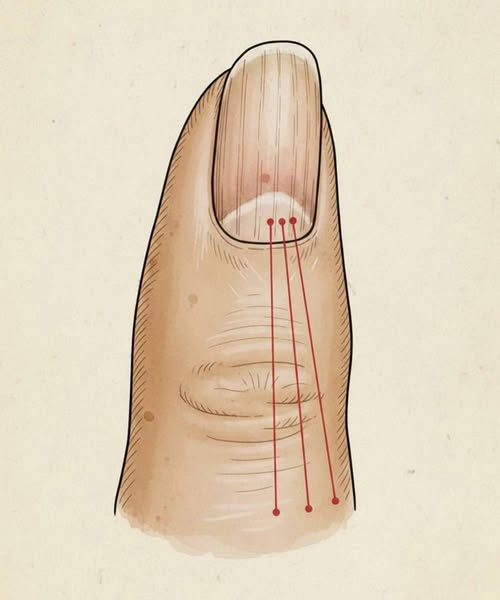
Lines that run from the cuticle toward the tip of the nail are known as vertical ridges. These are extremely common and often become more noticeable over time.
As the body ages, natural cell renewal slows. Similar to how skin may lose elasticity or texture may change with time, nails can develop ridges as part of the normal aging process.
For many people, these lines are mild, symmetrical, and appear on several nails without causing discomfort. In those cases, they are often considered a routine age-related change.
When Vertical Ridges Need Attention
Although vertical ridges are frequently harmless, they can sometimes appear alongside other signs that deserve notice. Nails that become brittle, rough, unusually thin, or prone to splitting may suggest something more than normal aging.
Skin conditions such as eczema may affect the nail surface. Ongoing irritation around the fingers or cuticles can also contribute to changes in nail texture.
Nutritional gaps may play a role as well. Low levels of iron, zinc, protein, or certain vitamins can affect nail strength and appearance.
Iron deficiency, for example, may be linked not only to ridges but also to changes in shape, including nails that begin to look slightly spooned or concave.
Horizontal Lines Can Mean Growth Was Interrupted
Lines that move across the nail from side to side are different from vertical ridges. These horizontal grooves are commonly known as Beau’s lines.
They form when nail growth slows or temporarily stops for a period of time. Once growth resumes, the interruption remains visible as the nail continues moving forward.
Because nails grow slowly, these lines may appear well after the event that caused them.
Possible Reasons for Beau’s Lines
Several types of physical stress can lead to horizontal indentations. A serious illness, high fever, injury, or major strain on the body may interrupt nail production.
Periods of intense stress can also affect normal growth in some individuals. Since the body often prioritizes vital functions during recovery, nails may briefly become less of a priority.
Certain chronic conditions may be associated with these lines as well. Kidney problems, thyroid disorders, and diabetes are among the possibilities sometimes considered when multiple nails are affected.
Some medical treatments, including chemotherapy, are also known to cause temporary disruptions in nail growth.
Discoloration Should Not Be Ignored
Changes in nail color can sometimes be as important as ridges or grooves. Dark streaks, reddish spots beneath the nail, brown marks, or sudden shifts in color may have many explanations.
Minor trauma is one common cause. A bump to the finger or repeated pressure from shoes can create temporary discoloration that grows out over time.
However, marks that persist, spread, or appear without a clear reason may need professional evaluation. Sudden or unusual color changes should not be dismissed without attention.
Look for Patterns, Not One Isolated Mark
A single line or ridge on one nail is often less concerning than similar changes affecting several nails at once. Patterns across multiple fingers may provide stronger clues about internal or systemic causes.
It is also helpful to consider whether other symptoms are present. Fatigue, weakness, dry skin, hair changes, or recurring irritation may add context to what the nails are showing.
When nails change together with other physical symptoms, it may be time to look more closely.
Timing Matters
Because fingernails grow gradually, today’s visible change may reflect something that happened weeks earlier. A recent fever, period of stress, dietary disruption, or illness may only become noticeable later.
This delayed timeline can make nail clues easy to overlook. Someone may feel normal again by the time a groove or ridge appears.
Understanding this slow growth cycle helps explain why nails can offer hints about past events rather than immediate ones.
When Changes Are Usually Less Concerning
Mild vertical ridges that appear gradually with age and remain stable are often not alarming. Symmetrical texture changes without pain or discoloration are commonly linked to normal aging.
Nails exposed to frequent washing, cleaning products, or dry environments may also become rougher or more brittle over time.
In many cases, improving moisture protection and reducing repeated trauma can help support healthier nail appearance.
When to Seek Medical Advice
Sudden changes deserve more attention than slow, stable ones. Rapid discoloration, deep grooves, thickening, crumbling, pain, swelling, or separation from the nail bed are reasons to consult a healthcare professional.
The same applies when several nails change at once or when nail problems appear with fatigue, weakness, unexplained weight changes, or other ongoing symptoms.
A proper evaluation can help determine whether the cause is minor, nutritional, skin-related, or connected to a broader health issue.
Ways to Support Nail Health
Healthy nails often benefit from simple habits. Staying hydrated helps overall tissue health, including nails and surrounding skin.
A balanced diet that includes enough protein, iron, zinc, and essential vitamins supports normal growth. Protecting hands during cleaning or repeated water exposure may also reduce damage.
Keeping nails trimmed, avoiding harsh picking or biting, and minimizing repeated trauma can further help maintain strength and appearance.
The Value of Paying Attention
Nails do not diagnose disease on their own, but they can offer signals worth noticing. Sometimes those signals are harmless signs of age or daily wear. Other times, they may reflect a need for better nutrition, recovery, or medical guidance.
The goal is not fear. It is awareness.
Even something as small as a line on a nail can occasionally be the body’s quiet reminder to look a little closer.