
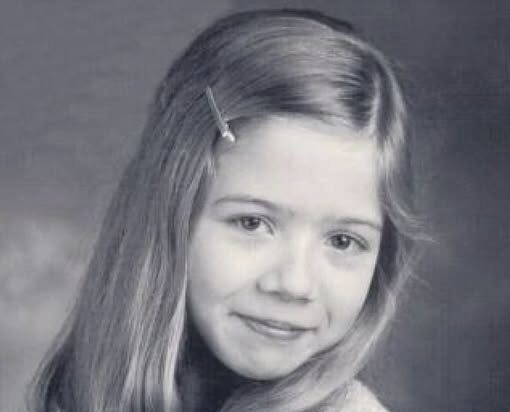
Jennette McCurdy’s Story Continues to Shape Conversations About Child Stardom and Family Control
Jennette McCurdy has remained one of the most outspoken former child actors in Hollywood, not because of a long-running screen comeback, but because of the honesty with which she has spoken about her upbringing.
Her reflections on family life, fame, and recovery have continued to resonate far beyond the entertainment industry. As broader discussions continue around the treatment of young performers, her story still stands out for its emotional clarity and lasting impact.
Best known to many viewers from her time on iCarly, McCurdy has described a childhood that felt more defined by instability and pressure than by the glamour often associated with television success.
She grew up in Southern California with her mother Debra McCurdy, her father Mark, and her three brothers. But behind that family structure, she has said, daily life often felt tense, emotionally uncertain, and difficult to navigate.
A Childhood Marked by Instability
McCurdy has spoken about her early years as emotionally overwhelming. In a 2021 interview, she described that period of her life as “heavy,” saying the atmosphere at home left her constantly trying to adapt to her mother’s shifting moods.
Rather than feeling safe or secure, she has recalled growing up with a constant sense of emotional pressure. That instability, she said, shaped the way she saw herself and the world around her for many years.
She has explained that forming her own identity did not happen quickly. It was a long process that unfolded only after years of separating herself from the emotional patterns that defined her childhood.
That process eventually led her to a place where she said she finally felt “free.” For McCurdy, that sense of freedom did not arrive all at once, but it marked a major turning point in how she understood her life and her past.

Jennette McCurdy with her mom Debra, Photo Credit: Obiscure Nick/X
Turning Pain Into Creative Work
One of the most visible results of that personal journey was a one-woman stage production that later became a memoir. The title, I’m Glad My Mom Died, immediately drew national attention and opened the door to a much wider conversation.
The memoir explored the emotional manipulation and physical boundary violations McCurdy says she experienced over the years. Its impact extended well beyond readers already familiar with her acting career.
The book became a best-seller and sparked intense public discussion about the pressures placed on child performers. It also pushed many people to reflect on what can happen when a parent’s ambition becomes entangled with a child’s career.
That story is now moving into another form. Apple TV+ is developing the memoir as a scripted series, with Jennifer Aniston set to portray the controlling mother of a young performer.
The adaptation signals that the themes in McCurdy’s story remain relevant. Her experiences are being revisited not as a passing celebrity headline, but as part of a larger cultural discussion about power, dependence, and the cost of childhood fame.
Life Inside the Family Home
McCurdy’s account of her home life includes descriptions of a crowded living environment and a lack of privacy. She has said Debra raised all four children in a cramped house affected by hoarding, where the family slept in the living room.
That setting added to the emotional strain she has described throughout her story. In the middle of that tension, she wrote that church offered one of the few places where she could experience quiet.
That detail has stood out in her account because it reflects how limited her sense of peace was during those years. Even brief moments away from home became meaningful because the atmosphere inside the house felt so difficult.
McCurdy has also described her mother as the central force in determining the direction of her childhood. Debra homeschooled all four children while working only sporadically, but remained deeply focused on pushing Jennette toward an acting career.
According to McCurdy’s account, her mother viewed stardom as a dream she had not achieved herself. That unfulfilled desire, McCurdy has said, was then transferred directly onto her.

Jennette McCurdy with her three brothers when they were still young, Photo Credit: Jennette McCurdy/Facebook
The Push Toward Hollywood
McCurdy has described acting not as a childhood passion she pursued freely, but as something her mother urgently wanted for her. In her telling, the entertainment industry became less a personal choice and more a family project driven by Debra’s hopes.
She has said that when she tried to express a desire to stop acting, her mother responded with panic and pressure. Rather than seeing that wish as a child’s attempt to define her own future, it was treated as a threat to something larger.
McCurdy said her mother framed the career as “their chance.” That language captured the depth of the emotional burden placed on her at a young age.
In that environment, success did not belong only to the child performer. It was tied to the expectations, frustrations, and ambitions of the household around her.
That dynamic has become one of the most discussed parts of her story because it highlights how difficult it can be for young actors to separate their own desires from the demands placed on them by adults.
Allegations of Control and Abuse
As McCurdy continued to speak publicly and later wrote her memoir, she shared more detailed claims about the kind of control she says existed inside the home. She has said her parents fought aggressively when she was young and that her mother sometimes became physically violent.
Her memoir also describes invasive behavior that crossed personal boundaries. Among the incidents she recounted were “exams,” close monitoring of her body, and supervision of her showers well into her teenage years.
Those experiences, as she described them, were not isolated events. Instead, they formed part of a larger pattern of control over her body, her privacy, and her sense of self.
McCurdy has also said that intense pressure around appearance began very early. By the age of 10, she said she was bleaching her hair and counting calories.
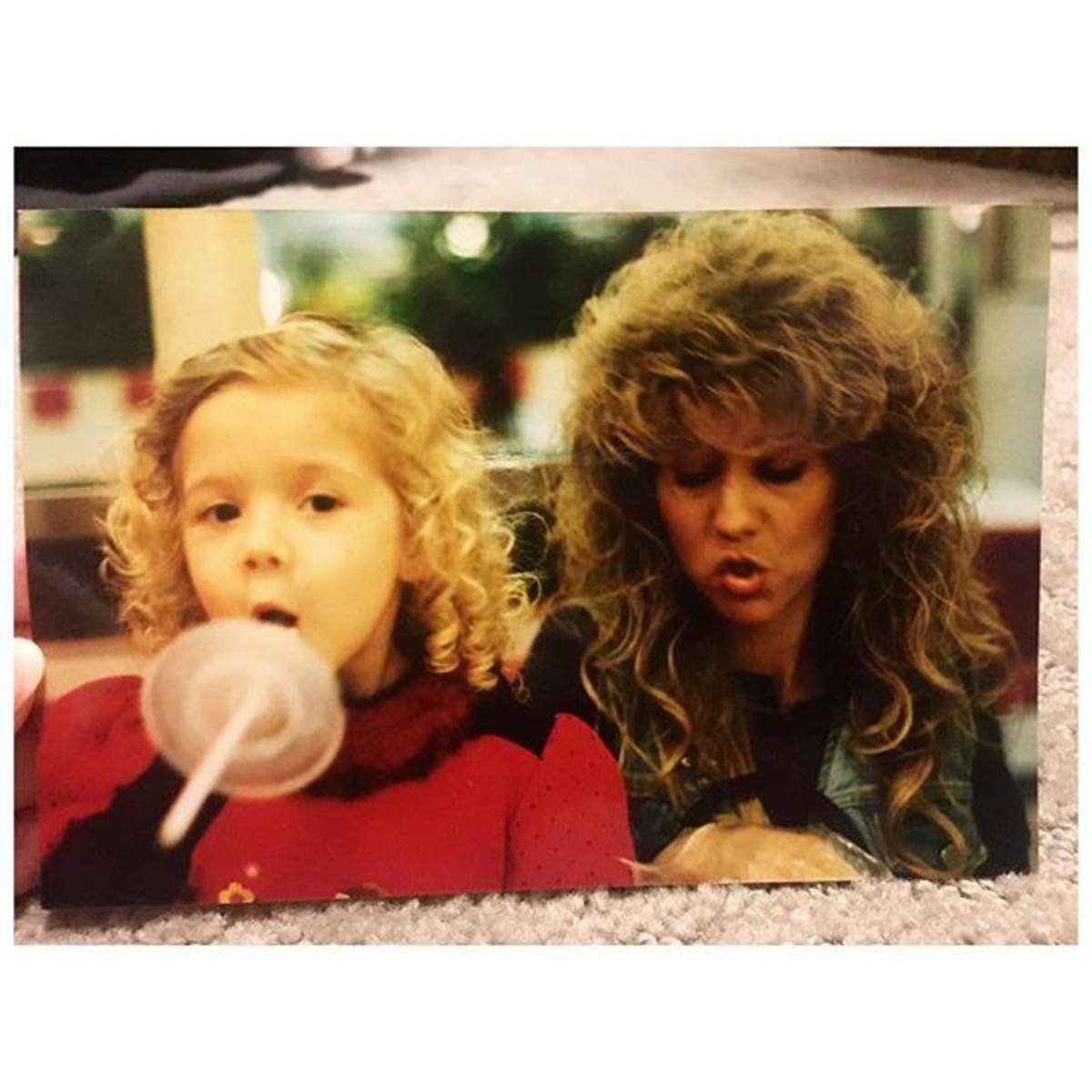
A young Jennette McCurdy with her mom Debra, Photo Credit: Jennette McCurdy/Facebook
What might have looked from the outside like standard preparation for child stardom became, in her account, part of a much darker cycle. The focus on appearance and restriction, she has said, eventually contributed to a serious eating disorder.
The Long Reach of Early Pressure
McCurdy later explained in a 2022 interview that she learned anorexic behaviors directly from her mother. That statement gave even greater weight to the story she had already been telling about the way parental control shaped her life.
The issue was not simply that she had struggled privately. It was that those harmful patterns, in her telling, were taught and reinforced within the home itself.
Her story has helped draw attention to how the effects of childhood pressure can continue long after the public success has faded. The consequences are not always visible during the years when a young actor is still performing.
Instead, the long-term impact may emerge later through mental health struggles, disordered eating, difficulty trusting others, or a painful process of rebuilding personal identity.
McCurdy has said she eventually sought treatment through intensive therapy. She has credited that work with helping her move toward recovery and begin understanding the damage caused by those early experiences.
Family Secrets and Unsettled Relationships
Another major revelation came after Debra’s death in 2013. McCurdy has said that her father told her only one of the four children was biologically his.
That disclosure changed her understanding of her family history in a profound way. It also introduced another difficult layer to a life story already marked by emotional upheaval.
She later learned that her biological father was a musician named Andrew, with whom her mother reportedly had a long affair. McCurdy did reconnect with him for a time, but that relationship did not last.
The brief reconnection did not become the stable answer to a lifelong question. Instead, it appears to have been another complicated chapter in an already fragile family history.
That part of her story has resonated with many people because it reflects how buried family truths can alter a person’s sense of identity, even long into adulthood.
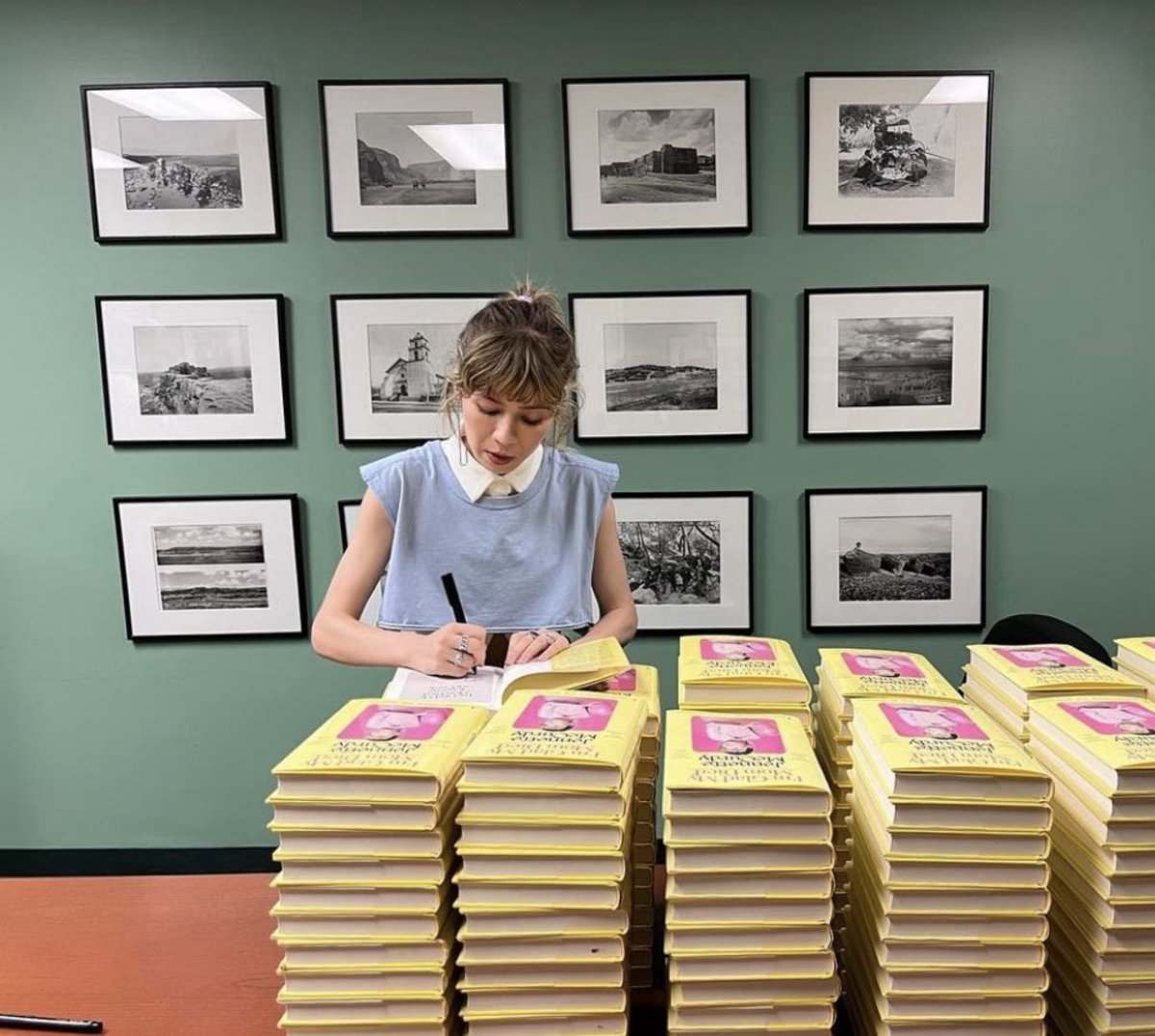
Jennette McCurdy signing her book “I’m Glad My Mom Died”, Photo Credit: Obiscure Nick/X
Debra McCurdy’s Lasting Presence
Debra McCurdy battled cancer for nearly two decades before she died in 2013. Her death did not bring an end to the emotional complexity surrounding the relationship.
For Jennette McCurdy, the loss left behind a legacy that was neither simple nor easy to define. She has never framed her mother as a one-dimensional figure, even while detailing painful experiences.
That complexity has been central to the way she has told her story in public. Rather than reducing her mother to a single label, McCurdy has repeatedly emphasized that her feelings remain layered.
In a 2022 appearance, she said, “I don’t hate my mom.” She added, “She was complicated, and I try to portray her honestly — all the parts of her, good and bad.”
Those remarks helped explain why her story has connected with so many readers and viewers. It is not a simple story about blame. It is a story about surviving control, naming harm, and still confronting the emotional confusion that can exist inside family bonds.
A Story That Reaches Beyond One Former Child Star
McCurdy’s experiences continue to matter because they touch on broader questions about childhood fame, parental influence, and the cost of growing up in a system built around performance.
Her story has become part of a larger conversation about what young entertainers need in order to be protected. It has also raised difficult questions about how often harmful dynamics are hidden behind public success.
In many cases, audiences see the polished result without seeing the private conditions that made it possible. McCurdy’s account challenged that separation by showing how deeply personal pain can exist behind a familiar television image.
Her openness has also given language to experiences that might otherwise remain hidden. Readers and viewers have responded not only because of who she is, but because the emotions she described feel recognizable to many people beyond Hollywood.
The questions her story raises are not limited to television sets, auditions, or child stardom. They also touch on family control, personal autonomy, and the long path toward healing after an upbringing shaped by fear and pressure.
Why Her Voice Still Carries Weight
Years after first sharing these experiences, McCurdy’s voice continues to carry unusual force because it combines public honesty with emotional precision. She has not presented her life as a neat story with easy answers.
Instead, she has shown how recovery can involve contradiction, grief, anger, compassion, and distance all at once. That honesty has made her account especially powerful in a culture still reexamining how children are treated in entertainment.
As her memoir moves to television and new audiences encounter her story, the central themes remain the same. They are about control, identity, survival, and the difficulty of finding freedom after years of emotional confinement.
Jennette McCurdy’s story endures because it does more than revisit a painful childhood. It forces a closer look at the systems and relationships that shape young lives long before those children have the power to protect themselves.
And in continuing to speak about that history with both clarity and complexity, she has ensured that her experience remains part of an important and ongoing conversation.