
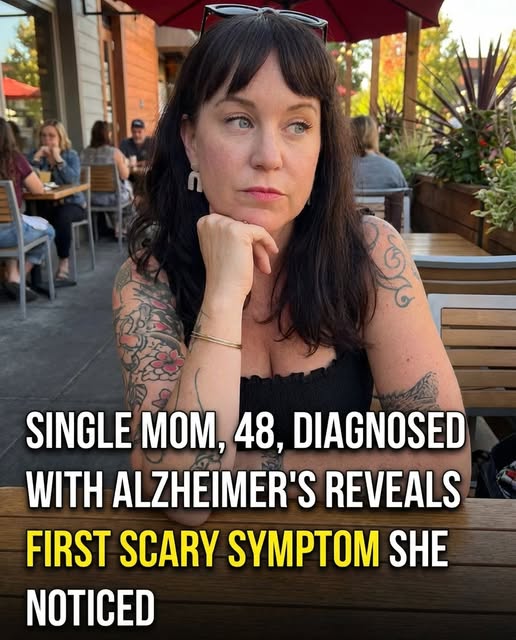
At 48, A Single Mother Faces the Unexpected Reality of Early-Onset Alzheimer’s
An Ordinary Morning That Changed Everything
At 48 years old, Rebecca Luna was living a full and active life. As a single mother, her days were structured around work responsibilities, caring for her children, and managing the steady rhythm of everyday obligations.
Like many parents balancing multiple roles, she was accustomed to fatigue and occasional stress. Minor lapses in focus or memory did not initially seem out of place.
That perception shifted one ordinary morning at work. Rebecca sat down at her computer, ready to begin her routine tasks, but something felt unfamiliar.
She suddenly could not remember what she was supposed to do. The work that had once been automatic and familiar seemed distant and unclear.
That single moment marked the beginning of a journey she had never imagined for herself.
Subtle Changes Become Difficult to Ignore
In the early stages, the signs were easy to dismiss. Rebecca experienced brief moments of confusion that appeared minor and manageable.
She attributed them to exhaustion and the demands of juggling family life and professional commitments. As a single mother, long days and constant multitasking were part of her routine.
Over time, however, the lapses became more noticeable. Tasks that once required no thought began to demand deliberate effort.
She found herself pausing more frequently, trying to recall details that previously came naturally. Everyday processes seemed to require additional concentration.
The gradual shift created uncertainty. What once felt temporary began to feel persistent.
Seeking Medical Answers
As the changes continued, Rebecca realized the situation could not be explained by stress alone. The growing pattern of forgetfulness prompted her to seek medical evaluation.
The diagnosis she received was life-altering. She was told she had early-onset Alzheimer’s, a rare form of the disease that affects individuals in their 40s and 50s.
The condition is progressive and can interfere with memory, independence, and professional stability much earlier than most people expect.
For Rebecca, the confirmation brought clarity but also deep concern. She understood that her condition would gradually affect her ability to work and live independently.
The news forced her to confront a future filled with uncertainty.
Understanding Early-Onset Alzheimer’s
Alzheimer’s is commonly associated with older age, which often makes early-onset cases particularly unexpected. When symptoms appear in midlife, they can disrupt established careers, parenting responsibilities, and financial stability.
Individuals in their 40s and 50s are typically in the midst of building their futures. A diagnosis during this stage can alter plans that once felt secure.
Rebecca’s experience reflects how the disease can quietly emerge during a period of life that many consider their most productive years.
The progression may begin with small cognitive changes, such as forgetfulness or difficulty completing routine tasks.
Over time, these changes can intensify, affecting daily functioning and overall independence.
Daily Life Adjustments
As her condition advanced, Rebecca began noticing how memory changes influenced her safety and routine.
In one instance, she became distracted while cooking. Later, she realized something had remained on the stove longer than intended.
Moments like that highlighted how easily everyday activities could become challenging. Tasks that once felt effortless required new levels of awareness.
She recognized that adjustments would be necessary to protect herself and her family.
Awareness became a crucial part of her daily life.
The Emotional Impact
Beyond practical challenges, the emotional weight of the diagnosis has been significant. Facing a progressive condition at 48 carries a unique sense of vulnerability.
Rebecca had built her life around independence and responsibility. Accepting that those abilities could gradually change required emotional resilience.
Uncertainty about the future remains a constant presence. Yet she continues to focus on what she can manage today.
Her determination reflects a commitment not only to herself but also to her children.
Despite the evolving nature of her condition, she remains engaged in her role as a parent.
Choosing to Speak Out
Rather than retreating into privacy, Rebecca made a deliberate decision to share her experience publicly.
Through videos and personal reflections, she speaks openly about living with early-onset Alzheimer’s.
Her goal is to increase understanding and compassion for those navigating memory-related conditions.
By sharing personal experiences, she hopes others will recognize that Alzheimer’s does not exclusively affect older adults.
Her story underscores the reality that the disease can emerge during midlife, altering expectations and plans.
The Importance of Support
Rebecca emphasizes the need for patience and emotional support from loved ones.
Memory changes can affect confidence and independence, making understanding from family and friends especially important.
She highlights how compassion can ease the burden of daily challenges.
Simple acts of understanding can make a meaningful difference in maintaining dignity and connection.
Her message centers on the human need for respect and empathy.
Maintaining Dignity and Connection
For Rebecca, living with Alzheimer’s does not diminish her identity or her value as a person.
She believes that connection, love, and dignity remain essential, regardless of cognitive changes.
Her perspective challenges common assumptions about memory-related conditions.
While the disease may alter certain abilities, it does not erase the need for meaningful relationships.
She continues to prioritize time with her children and moments of presence.
Focusing on the Present
Although the future carries uncertainty, Rebecca concentrates on the present.
She draws strength from her family and the support system around her.
Each day is approached with awareness and intention.
By staying grounded in daily routines and connections, she maintains a sense of stability.
Her journey illustrates how resilience can coexist with vulnerability.
Raising Awareness for Early Signs
One of Rebecca’s central goals is encouraging others to recognize potential early signs of cognitive changes.
She wants individuals experiencing persistent memory issues to seek medical guidance rather than dismiss symptoms as stress alone.
Her experience demonstrates how easily early symptoms can be misunderstood.
Timely evaluation can provide clarity and help families prepare for necessary adjustments.
Awareness, she believes, is a powerful tool in navigating the realities of the condition.
A Story of Strength Amid Uncertainty
Rebecca Luna’s life has changed in ways she never anticipated at 48.
An ordinary morning at her computer revealed a reality she could not ignore.
Since that moment, she has faced the progression of early-onset Alzheimer’s with openness and determination.
Her story reflects both the challenges and the resilience that can accompany a diagnosis during midlife.
Through honesty and advocacy, she continues to remind others that compassion, dignity, and human connection remain central, regardless of circumstance.
While the road ahead remains uncertain, her commitment to her children and her willingness to share her experience offer a powerful example of strength in the face of change.