
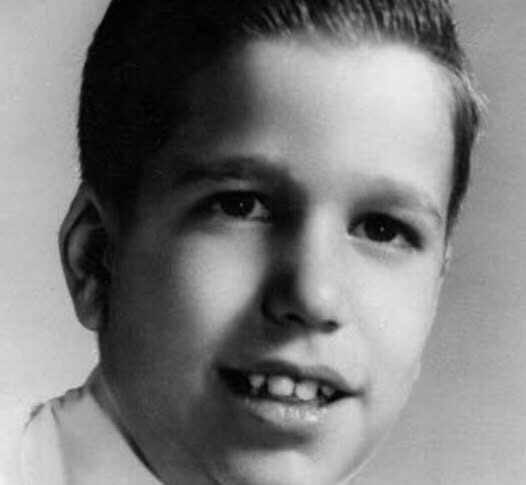
Henry Winkler Opens Up About the Hidden Challenge He Faced During His Rise to Fame
A Beloved Star Shares a Personal Story
Henry Winkler, widely recognized for playing “The Fonz” on the television series Happy Days, has spoken candidly about a challenge he quietly carried throughout some of the most successful years of his career.
While audiences saw confidence, humor, and charm on screen, Winkler was privately dealing with dyslexia for many years without understanding what it was.
He has explained that he did not receive a diagnosis until adulthood, long after becoming a household name in entertainment.

A person’s hands holding a book at the park on sunny day, Photo Credit: Pexels
A Diagnosis That Changed Everything
Winkler said he was 31 years old when he finally learned the reason behind many of the struggles he had faced since childhood.
The turning point came after his stepson was tested while in third grade. As doctors described the signs and traits connected to dyslexia, Winkler recognized the same experiences in his own life.
He recalled that the moment brought immediate clarity. It helped him understand that the issue had never been a lack of intelligence, but rather a different way of processing information.
For someone who had spent years questioning his abilities, the realization was deeply meaningful.

Henry Winkler holding a fish while smiling, Photo Credit: hwinkler4real/Instagram
Difficult Memories From School Years
Before finding answers, Winkler said school had been an especially painful environment.
He described being criticized by teachers, misunderstood in the classroom, and mocked by classmates because of his academic difficulties.
Like many children who struggle without a diagnosis, he carried those experiences into adulthood.
Even after achieving fame and success, the emotional effects of those early years remained with him.
Success in Hollywood With Private Obstacles
During his time starring on Happy Days, Winkler became one of television’s most recognizable faces.
Yet behind the scenes, reading scripts could be extremely difficult. He has said that processing written material was often a major challenge.
To adapt, he relied on memory, repetition, and creativity.
Once he understood material through practice, he was able to memorize quickly. That strength helped him perform at a high level and continue advancing in his career.
He also used improvisation, adjusting lines naturally while staying true to the character he was portraying.

Tom Power in an interview talking about dyslexia with Henry Winkler, Photo Credit: Q with Tom Power/Youtube
Turning a Struggle Into Strength
Rather than allowing the obstacle to define him, Winkler found ways to work with his strengths.
His timing, personality, and instinctive understanding of character helped him connect with audiences for years.
What viewers saw as effortless talent was often supported by extra preparation and determination behind the scenes.
His story highlights how many successful people develop personal systems to overcome learning differences that others may never notice.
A New Perspective Later in Life
Winkler has said the diagnosis brought both relief and emotional weight.
On one hand, he finally understood why reading had been so difficult for so long. On the other, he had to process years of doubt and feelings formed during childhood.
Recognizing the cause of those struggles allowed him to rebuild confidence with a clearer understanding of himself.
It also gave him a new sense of purpose.
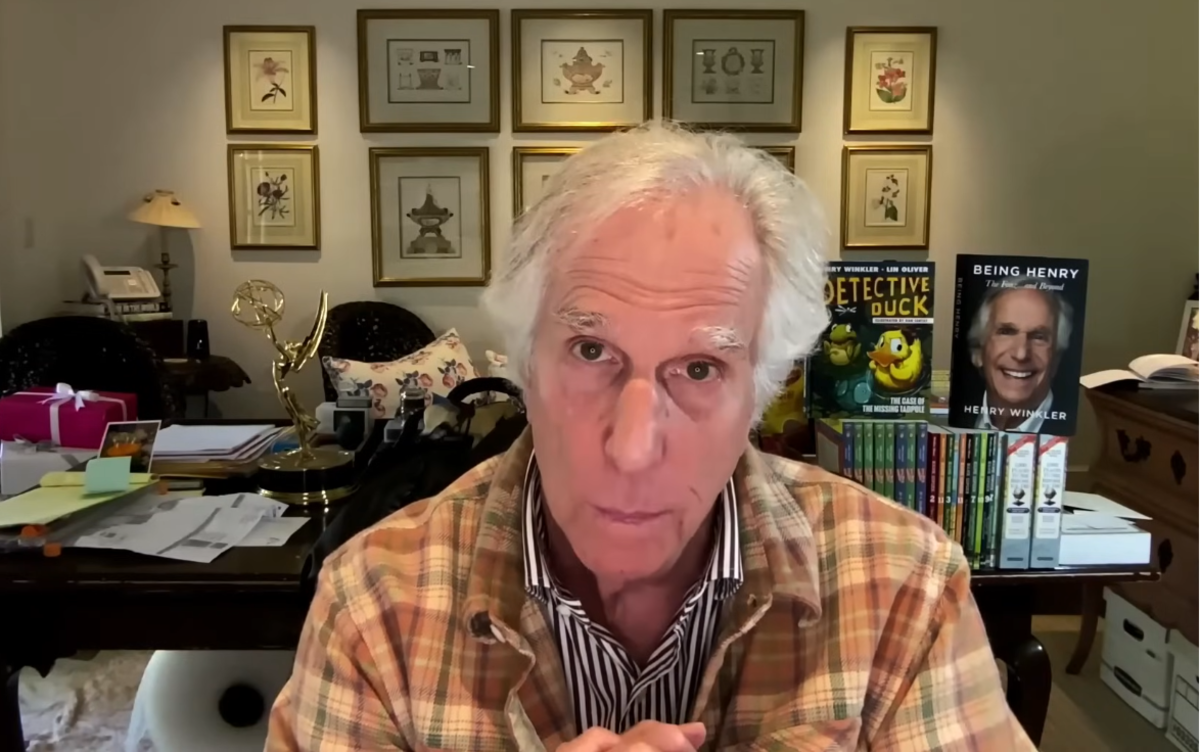
Henry Winkler in an interview talking about dyslexia with Tom Power, Photo Credit: Q with Tom Power/Youtube
From Reader to Bestselling Author
For much of his life, Winkler said finishing a book from beginning to end had once felt out of reach.
That changed dramatically in later years.
He went on to co-author more than 30 bestselling children’s books with writing partner Lin Oliver.
Their best-known series include Hank Zipzer and Here’s Hank.
Both stories center on a young boy navigating school life while living with dyslexia, giving many children a character they can relate to.
Helping Young Readers Feel Seen
Winkler’s work as an author reflects a mission beyond entertainment.
By creating stories filled with humor, encouragement, and relatable experiences, he has helped many young readers feel understood.
His more recent project, Detective Duck, continues that goal by supporting children who are just beginning their reading journey.
He has emphasized that difficulty with reading does not define intelligence, creativity, or future success.
An Inspiring Message That Continues Today
Now in his late 70s, Winkler remains admired not only for his acting career, but also for the openness with which he discusses learning differences.
By sharing his own experiences, he has encouraged children, parents, and educators to look beyond labels and assumptions.
His life story stands as a reminder that talent can take many forms, and challenges do not prevent achievement.
For countless fans, Henry Winkler will always be remembered as an iconic performer. For many others, he is also a symbol of resilience, growth, and the power of understanding oneself.