
Finding Gentle Relief from Sinus Pressure Through Simple Touch
Sinus pressure can arrive quietly and then take over everything. The sensation often begins as a dull weight and slowly intensifies until it feels as though the face itself has hardened.
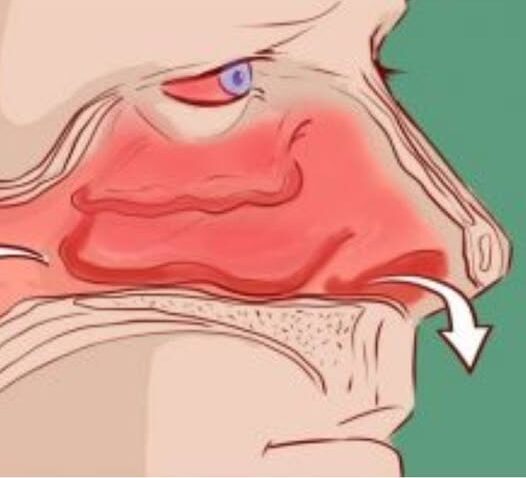
The nose may feel blocked and rigid, as if it has turned to stone. Pressure builds behind the eyes, creating a heavy ache that makes it difficult to focus.
Each breath can feel restricted, moving through passages that seem far too narrow. The discomfort can dominate attention, leaving little room for clarity or ease.
When Common Remedies Fall Short
Many people reach first for sprays, tablets, or steam. These options can sometimes provide temporary comfort, but the relief may not last.
After repeated attempts, frustration can grow. The sense that nothing works adds another layer of tension to an already strained body.
When conventional solutions seem fleeting, it is natural to wonder whether relief might exist elsewhere. Sometimes the answer is not found in a cabinet or pharmacy aisle.
Instead, it may be much closer—resting quietly in your own hands.
Turning Attention Inward
When sinus pressure steals your concentration and softens the edges of your day, your hands can become a steady anchor. Touch offers a direct and immediate way to reconnect with your body.
By placing your fingertips gently along the bridge of your nose, you begin to notice subtle sensations. There may be tightness, warmth, or a dull ache waiting to be acknowledged.
Moving slowly toward the inner corners of your eyes, you may discover areas where pressure feels strongest. The simple act of noticing transforms discomfort into something that can be explored rather than avoided.
Tracing along the gentle arcs of your cheekbones continues this quiet mapping. Each small movement creates awareness of where tension gathers and where it begins to soften.
From Passive Pain to Active Care
Sinus pressure can feel like something happening to you. It can create a sense of helplessness, as though your body has become a battleground you cannot control.
Exploring your face with calm, deliberate touch shifts that dynamic. The pain becomes something you can meet directly.
Instead of bracing against the sensation, you approach it with curiosity. That shift alone can reduce the emotional weight attached to physical discomfort.
Gentle circular motions over tense points introduce warmth beneath the skin. The movement encourages the muscles to loosen, even if only slightly at first.
With each slow circle, your breathing often begins to change. Inhalations lengthen, and exhalations deepen.
The Power of Slow Breathing
Breath and tension are closely connected. When the face feels tight and the sinuses feel clogged, breathing can become shallow and quick.
As your fingertips move steadily, your attention naturally returns to your breath. You may find yourself inhaling more fully, allowing air to travel deeper into your lungs.
Longer breaths can create a subtle sense of space inside the body. That space makes the pressure feel less absolute.
The tight, unyielding weight in your face may begin to feel more fluid. While the discomfort may not disappear instantly, it can lose some of its sharp edge.
Breathing slowly while applying light pressure helps create a rhythm. This rhythm reinforces calm rather than urgency.
A Small Ritual of Kindness
Self-massage for sinus discomfort is not a dramatic cure. It does not promise instant transformation or overnight change.
Instead, it offers something quieter and more sustainable. It is a small, repeatable act of care.
When you return to this practice regularly, it becomes a ritual. The repetition builds familiarity and comfort.
Your body begins to recognize the sensation of gentle touch as a signal of safety. That signal can reduce the overall intensity of stress that often accompanies sinus pressure.
This approach honors the body’s effort to protect itself. Sinus congestion and pressure often arise as part of that protective response.
Mapping the Face with Intention
Beginning at the bridge of the nose creates a clear starting point. Lightly pressing and releasing allows you to gauge the level of tenderness.
Moving outward toward the eye sockets helps you locate areas where tension pools. These spaces may feel sensitive or slightly swollen.
Continuing down along the cheekbones reveals another common area of discomfort. The gentle arcs of bone beneath your fingertips guide your movements.
Each section of the face tells a slightly different story. Some areas may respond quickly, while others require more patience.
By taking time to explore, you develop a clearer understanding of your own patterns of tension.
Changing the Experience of Pain
Pain often becomes more distressing when it feels mysterious or uncontrollable. When you engage directly with the sensation, it becomes more defined.
Defined sensations are easier to manage. You can identify where they begin and where they fade.
That clarity reduces fear. The pressure is no longer an overwhelming force but a series of localized points that can be gently addressed.
Even a slight reduction in intensity can restore a sense of balance. The face may feel less rigid and more responsive.
With continued practice, you may notice that relief arrives more quickly. The body learns the pathway toward relaxation.
Consistency Over Intensity
The effectiveness of this approach lies in consistency rather than force. Pressing too hard can increase discomfort rather than ease it.
Light, steady movements encourage circulation without creating additional strain. The goal is softness, not pressure.
Repeating the process several times a day can reinforce its benefits. Each session need only last a few minutes.
Over time, these small moments accumulate. The cumulative effect can make sinus discomfort feel more manageable.
What begins as a simple experiment may become a trusted part of your daily routine.
Restoring a Sense of Agency
One of the most significant benefits of this practice is the restoration of control. Sinus pressure often disrupts productivity and concentration.
When you realize that relief can begin with your own hands, the experience shifts. You are no longer waiting passively for improvement.
You are actively participating in your own comfort. That participation fosters resilience.
The body responds not only to physical touch but also to the reassurance that comes with it. Gentle self-care can reduce the mental strain that accompanies persistent pressure.
In moments when discomfort feels overwhelming, returning to this simple act can provide grounding.
Relief as a Process, Not a Promise
It is important to recognize that this method does not claim instant or permanent results. Sinus pressure can have many causes, and relief may vary from day to day.
However, the value of this approach lies in its accessibility. It requires no special equipment and no complicated instructions.
Your hands are always available. They offer warmth, sensitivity, and immediate feedback.
Each time you trace along the bridge of your nose or circle beneath your eyes, you reinforce a connection between awareness and comfort.
Relief becomes something you cultivate rather than something you chase.
A Quiet Reminder
When your nose feels rigid and your head feels heavy, it is easy to believe that only external solutions can help. Yet sometimes the most meaningful comfort comes from within.
The warmth of your fingertips, the steadiness of your breath, and the patience of repetition create a subtle but powerful shift.
The tight, unyielding sensation begins to soften. The pressure behind your eyes becomes less dominant.
This gentle ritual does not demand dramatic change. It invites gradual easing.
In that soft, steady rhythm, you rediscover that relief is not always delivered in a bottle. It is sometimes shaped quietly by your own hands, one calm breath at a time.