

Eminem’s Journey From Instability to Global Music Legacy
A Difficult Beginning Before Fame
Before he became one of the most recognizable names in modern music, Eminem’s life began far from comfort, fame, or stability.
Long before packed arenas, chart-topping albums, and worldwide recognition, his early years were shaped by uncertainty. The boy who would later become a defining voice in hip-hop grew up in an environment marked by emotional hardship, financial struggle, and repeated disruption.
His father left before he was old enough to build lasting memories of him. That absence became one of the earliest wounds in his life, leaving questions that followed him for years.
Without a stable family foundation, his childhood became a cycle of movement and adjustment. Home rarely felt permanent, and security was often out of reach.
Growing Up Without Stability
Eminem was raised mainly by his mother, and life during those years was difficult. Work was not always easy to find, money was often limited, and the family moved between Missouri and Detroit.
Those moves made it hard to build roots. Each new place meant another attempt to adjust, another school, and another environment where he had to start over.
Public housing became part of his childhood experience. For a young person already dealing with family instability, the constant changes made daily life even more challenging.
School did not provide the sense of belonging he needed. Instead, it often became another place where he felt isolated and unwanted.
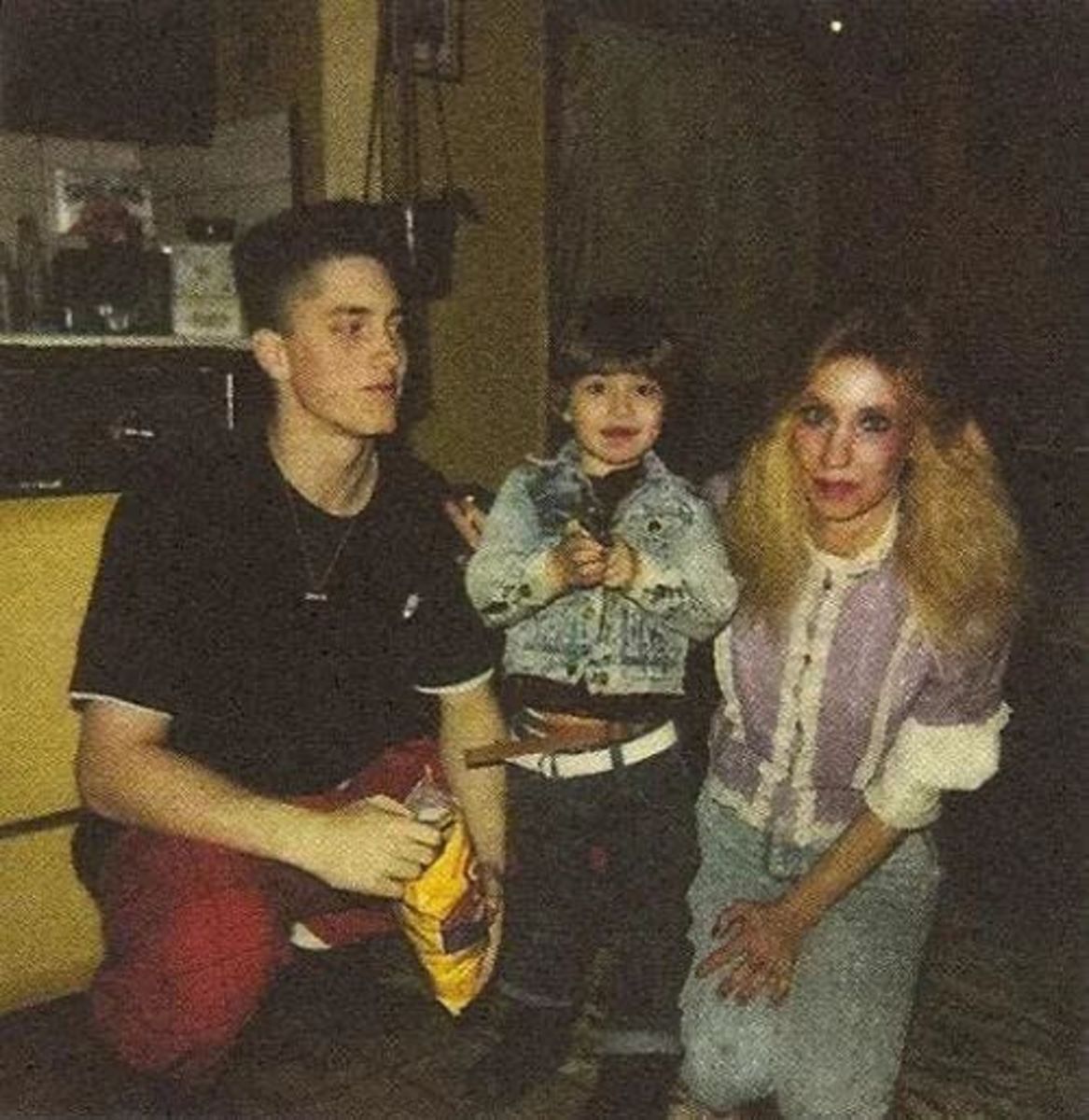
Eminem with his mom and younger brother in the 1990s, Photo Credit: Fascinating/X
The Pain of Being the New Kid
Because he moved so often, Eminem frequently found himself as the unfamiliar student in the classroom. Being the “new kid” made him stand out, and that attention was not always kind.
He faced bullying from classmates who saw him as an easy target. Hallways and schoolyards became places of anxiety rather than safety.
The harassment was not limited to words. He was pushed, cornered, and physically targeted by other students.
At one point, the violence became especially serious. A playground attack left him unconscious after he was struck with a frozen object disguised as a snowball.
The incident led his mother to take legal action against the Detroit school system. Medical records connected to the attack referenced a concussion, problems with vision, and recurring nightmares.
The physical injuries were painful, but the emotional effects lasted much longer. For a child already living with instability, the experience added another layer of trauma.
Home Was Not a Simple Refuge
For many children, home is the place where school problems fade and comfort begins. For Eminem, the situation was more complicated.
As he grew older, he publicly made serious accusations about his relationship with his mother. He accused her of substance abuse, emotional neglect, and financial exploitation.
She strongly denied those allegations. Their difficult relationship later became part of highly public legal conflicts, showing how deeply damaged the bond had become.
The tension between them reflected years of unresolved pain. Both sides carried wounds, and those personal struggles eventually became part of the public story surrounding his life and career.
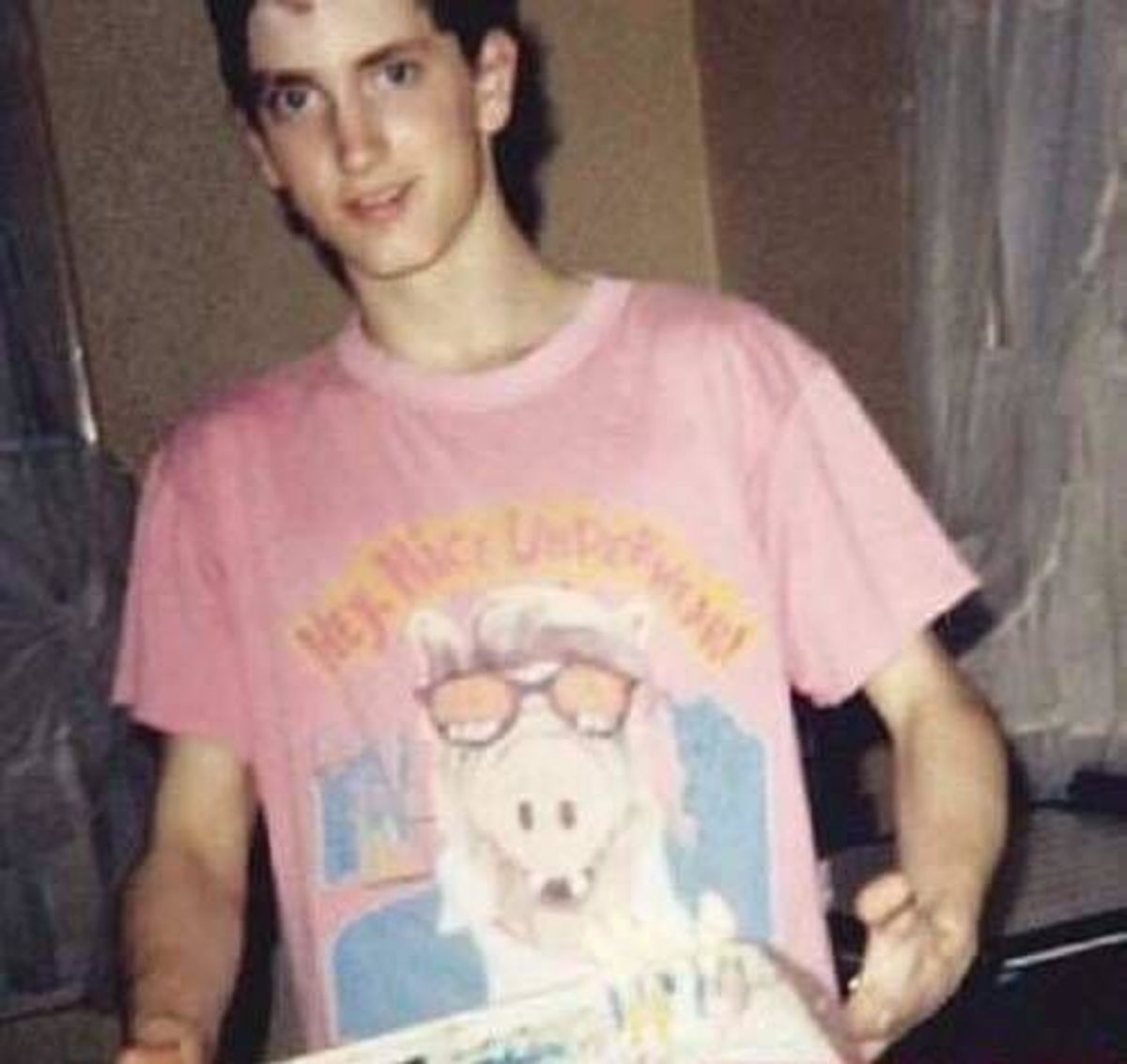
Eminem smiling when he was 18 years old, Photo Credit: History Defined/X
Music Became an Escape
During those difficult years, music became more than entertainment for Eminem. It became a way to survive emotionally.
By his early teenage years, he discovered rap. The rhythm, wordplay, and intensity gave him a place to express feelings he could not easily speak aloud.
For a young person surrounded by hardship, words became a form of control. Through writing and performing, he could turn confusion, anger, and pain into something powerful.
Marshall Mathers began performing when he was just 14 years old. Even at that age, he was using lyrics to process the difficult experiences that shaped him.
Rap gave him a voice at a time when he often felt ignored. It offered an outlet for emotions that had built up through years of instability, bullying, and family conflict.
Turning Pain Into Art
As Eminem developed as an artist, he did not separate his music from his life story. Instead, he placed his experiences at the center of his work.
His lyrics often explored broken homes, absent parents, school violence, personal anger, and emotional struggle. That honesty helped set him apart.
Listeners connected with the rawness of his songs. Many people heard parts of their own pain reflected in his music, which helped make his voice feel personal and unforgettable.
What could have remained private suffering became the foundation of a career. His difficult past became part of the reason his music resonated so widely.
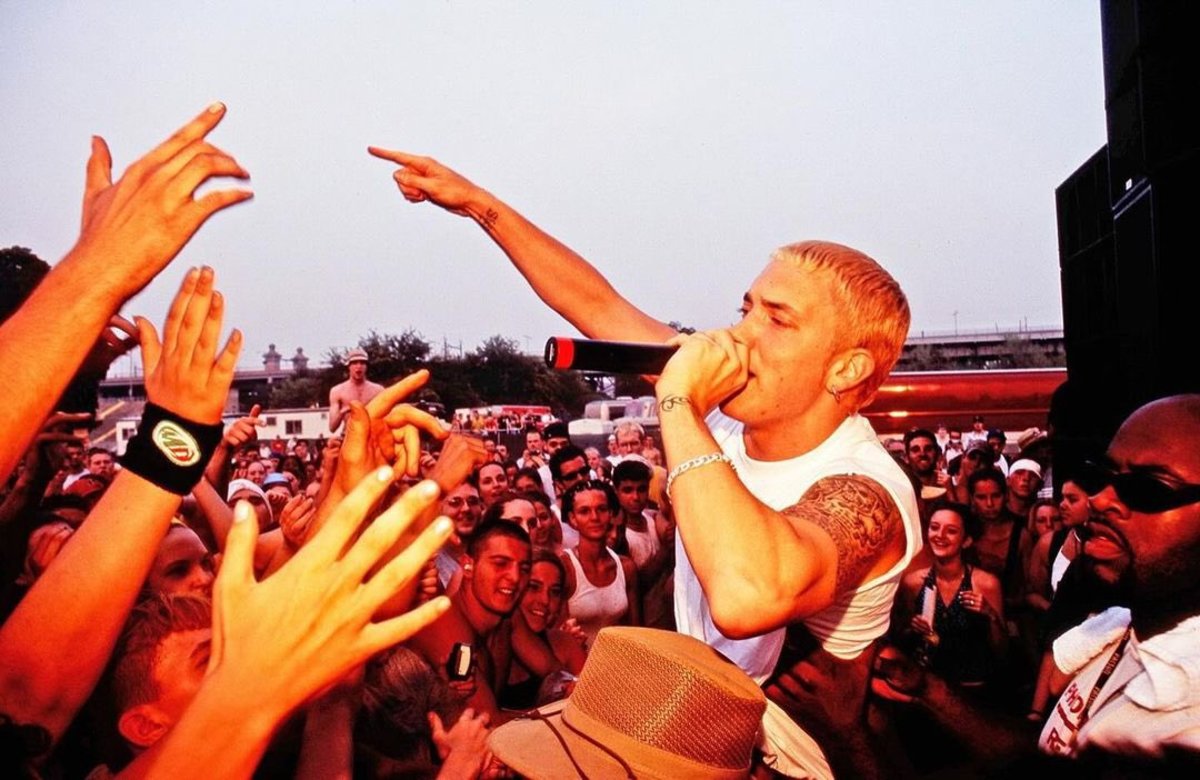
Eminem performing at the 1999 Vans Warped Tour at Randall’s Island Park in New York, Photo Credit: Sona/X
The Breakthrough That Changed Everything
For years, Eminem worked within Detroit’s underground rap scene. That period demanded persistence, confidence, and the ability to keep going despite rejection and hardship.
His talent eventually caught the attention of producer Dr. Dre. Their partnership became a turning point in Eminem’s life.
After that connection, his career moved rapidly. Albums reached massive audiences, singles became widely known, and his name became impossible to ignore in popular music.
The voice that had once struggled to be heard now reached listeners around the world. His rise changed not only his personal circumstances but also the direction of hip-hop.
Success Did Not Remove Every Struggle
Fame brought money, recognition, and influence, but it did not erase the pain of his past. Eminem continued to face personal challenges even after reaching the top of the music industry.
Relationship breakdowns, emotional pressure, and substance abuse threatened the life and career he had built. His success came with public attention, but private battles remained.
Even during difficult periods, creativity stayed central to his life. Music continued to be the place where he processed conflict, regret, anger, and survival.
That honesty helped maintain his connection with fans. His audience did not only see a successful performer; they saw someone still confronting the struggles that shaped him.
Fatherhood and Breaking the Cycle
Becoming a father marked an important change in Eminem’s life. After growing up without the stability he needed, he wanted his children to have something different.
He made a conscious effort to be present. He did not present himself as perfect, but he showed a clear desire to provide love, protection, and consistency.
That commitment became an important part of his identity. His role as a father helped define him beyond music, fame, and controversy.
For someone raised in turmoil, the decision to create a more stable home carried deep meaning. It reflected a desire to break patterns from his own childhood.

Eminem at the “Stans” Premier in New York, Photo Credit: ePro Team: Support for Eminem & Shady Records/Youtube
A Story That Reached Beyond Music
Eminem’s semi-autobiographical film 8 Mile introduced parts of his story to an even wider audience. The film strengthened his public image as an artist shaped by struggle, discipline, and determination.
The project also earned him an Academy Award, adding another milestone to a career already filled with major achievements.
His story became more than a music industry success. It became an example of how difficult beginnings can be transformed into artistic power and cultural influence.
A Lasting Legacy
Today, Eminem lives far from the chaos that marked his early years. He is a father of three and is known for keeping a lower profile than during the most intense periods of his fame.
Even with less public visibility, his impact remains strong. His songs, performances, and personal story continue to influence fans and artists around the world.
From “Lose Yourself” to “Stan,” his music has become part of modern cultural history. His journey from underground battles to global recognition remains one of hip-hop’s most remarkable stories.
He was born into instability, raised through hardship, and shaped by pain. Yet he used those experiences to build a voice that reached millions.
Eminem’s legacy is not only about record sales or awards. It is also about resilience, survival, and the power of turning personal struggle into art that continues to be remembered.