
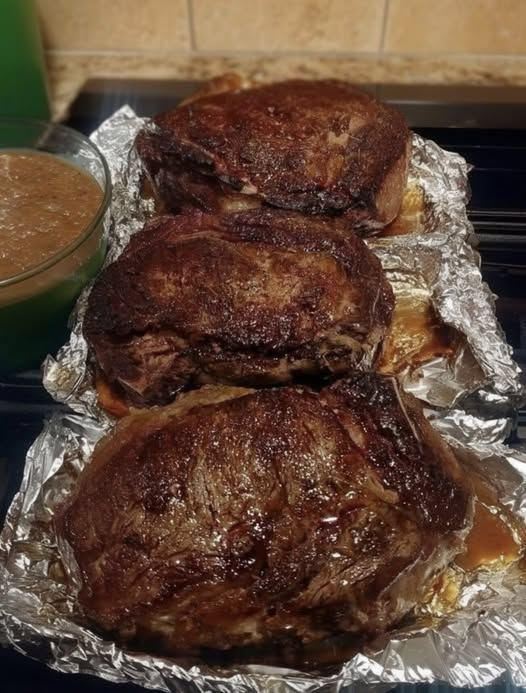
Ribeye Steak Cooking Guide: Tips, Methods, and Nutrition
Why Ribeye Steak Is So Popular
Ribeye steak is one of the most appreciated beef cuts because it combines tenderness, rich flavor, and generous marbling in one satisfying piece of meat.
Its natural fat content helps create a juicy texture during cooking, making it a favorite choice for grilling, pan-searing, and oven-finishing at home.
What Is Ribeye Steak?
Ribeye steak comes from the rib section of beef, specifically from the longissimus dorsi muscle.
It may be served boneless as a classic ribeye or with the bone attached, which is often called a rib steak.
The feature that makes ribeye especially flavorful is marbling. These thin streaks of fat melt as the steak cooks, helping the meat stay moist, tender, and full of flavor.
Simple Ingredients for Ribeye Steak
A good ribeye does not need complicated ingredients. The cut already has a strong natural flavor, so simple seasoning is usually best.
Common ingredients include a 10–16 oz ribeye steak, sea salt or kosher salt, freshly ground black pepper, and a small amount of vegetable oil or olive oil.
Butter, garlic, thyme, and rosemary can also be added during cooking for extra aroma and richness.
How to Season Ribeye Steak
Before cooking, let the steak rest at room temperature for about 30 minutes. This helps the steak cook more evenly.
Season both sides generously with salt and black pepper shortly before cooking. This helps build a flavorful crust on the outside.
For deeper flavor, garlic, butter, and fresh herbs can be added near the end of cooking and spooned over the steak while it finishes.
Best Ways to Cook Ribeye Steak
Pan-searing is one of the easiest ways to cook ribeye indoors. Heat a heavy skillet over high heat, add a small amount of oil, and sear the steak for about 3–4 minutes per side for medium-rare.
During the final stage, butter, garlic, and herbs may be added to the pan. Basting the steak with the melted butter gives it a richer finish.
Grilling is another excellent method. Preheat the grill to high heat, around 450°F or higher, then cook the steak for 4–6 minutes per side depending on thickness.
For best results, use a meat thermometer. A temperature of 130–135°F is commonly used for medium-rare.
The oven and pan method is also effective. Sear the steak on the stovetop for about 2 minutes per side, then finish it in a 400°F oven for 10–14 minutes until it reaches the desired doneness.
Resting and Serving Tips
After cooking, let the ribeye rest for about 5 minutes before slicing. Resting helps the juices settle back into the meat instead of running out immediately.
When serving, slice against the grain for a softer bite. This small step can improve the texture of the finished steak.
Always preheat the pan or grill before cooking. High heat helps create the browned crust that makes ribeye especially appealing.
Nutrition Facts and Benefits
Ribeye steak provides high-quality protein, which supports muscle growth and repair.
It also contains important nutrients such as iron, zinc, and B-vitamins.
A typical 3.5-oz serving contains about 290 calories, zero carbohydrates, and around 22 g of protein.
Because ribeye is higher in fat than leaner beef cuts, it is best enjoyed in moderation as part of a balanced diet.
Final Thoughts
Ribeye steak is a flavorful and satisfying cut that can deliver steakhouse-style results at home when cooked carefully.
With simple seasoning, high heat, proper resting time, and attention to doneness, ribeye can turn into a tender, juicy meal with a rich crust and deep beef flavor.
Whether grilled, pan-seared, or finished in the oven, mastering ribeye steak is a useful skill for anyone who enjoys classic home cooking.