
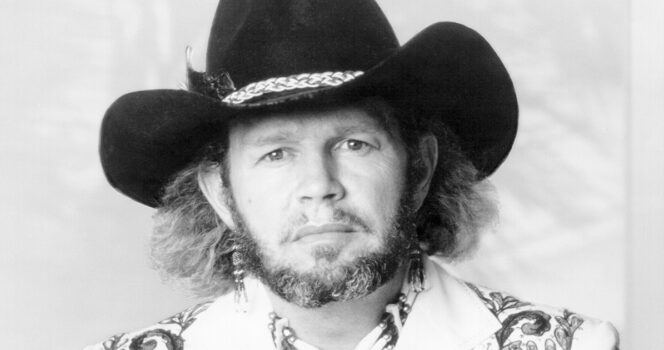
David Allan Coe Dies at 86, Leaving Behind a Complex Outlaw Country Legacy
A Defining Voice of Outlaw Country Falls Silent
Country music has lost one of its most recognizable and unconventional figures, as David Allan Coe has died at the age of 86.
His passing was confirmed on April 29, though no immediate details regarding the cause of death were made public.
For many, his death marks the end of an era shaped by the rise of outlaw country, a movement that broke away from the polished and commercialized sound traditionally associated with Nashville.
From Difficult Beginnings to a Unique Identity
Born on September 6, 1939, in Akron, Ohio, Coe’s early life differed sharply from the typical path followed by many country artists.
He spent a significant portion of his youth in correctional institutions, an experience that would later influence both his creative work and his public image.
This background became a defining element of his identity, helping establish him as an outsider within the country music world.
That outsider persona resonated with audiences who were drawn to authenticity and storytelling rooted in real-life struggles.
The Road to Nashville and Early Struggles
When Coe arrived in Nashville in 1967, he faced the same challenges that many aspiring musicians encounter when entering the industry.
Success did not come immediately, and he spent years building his reputation through persistence and determination.
His early work focused on songwriting, a path that gradually opened doors and allowed his talents to gain recognition.
This period laid the foundation for what would eventually become a significant breakthrough in his career.
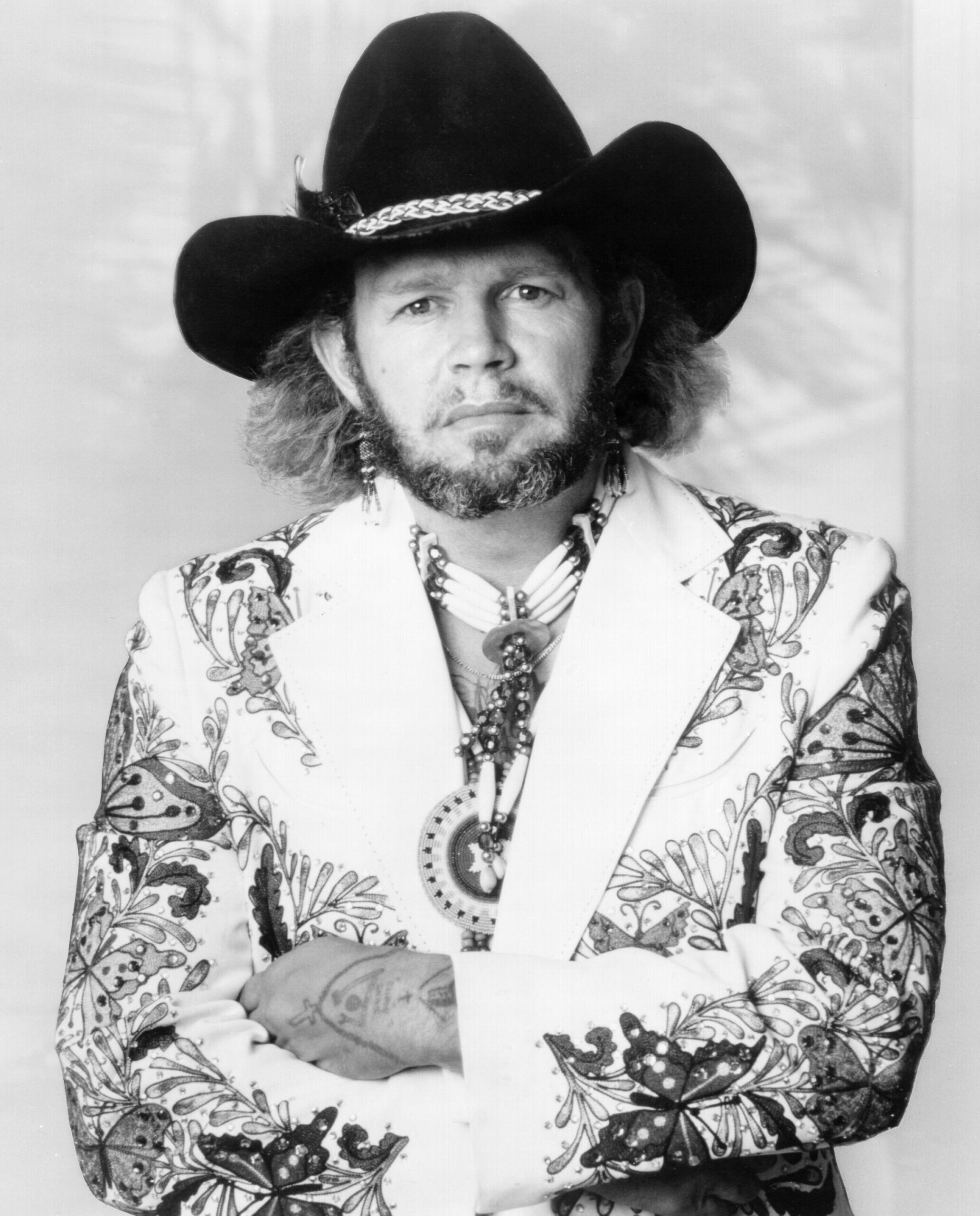
Breakthrough Success as a Songwriter
Coe’s first major success came when Tanya Tucker recorded “Would You Lay With Me (In a Field of Stone).”
The song reached No. 1 in 1973, bringing him widespread attention and credibility within the industry.
This achievement proved to be a turning point, leading to a recording contract and providing him with a platform to showcase his own music.
It marked the beginning of a new chapter, where his voice would be heard not only as a writer but also as a performer.
Stepping Into the Spotlight
In 1974, Coe released his debut album, The Mysterious Rhinestone Cowboy.
The project introduced audiences to his distinctive style, combining elements of country, blues, and rock.
His music stood apart from mainstream trends, offering a raw and unfiltered perspective that aligned with the outlaw country movement.
This approach helped him build a loyal following among listeners seeking something different from conventional country sounds.
A Signature Sound and Lasting Hits
His 1975 album Once Upon a Rhyme further solidified his presence in the genre.
The release included what would become one of his most recognizable songs, You Never Even Called Me by My Name.
The track blended humor, storytelling, and self-awareness, famously referring to itself as “the perfect country and western song.”
Its unique style and memorable lyrics helped cement his reputation as an artist unafraid to challenge expectations.
Coe’s deep, raspy baritone voice became a defining feature of his music.
His vocal delivery, combined with his genre-blending approach, created a sound that was instantly recognizable.
Songs such as Longhaired Redneck and Willie, Waylon and Me reinforced his place among country music’s more unconventional voices.
Influence Beyond His Own Performances
In addition to his work as a performer, Coe made a lasting impact as a songwriter.
One of his most notable contributions was Take This Job and Shove It, which became a major hit for Johnny Paycheck.
The song resonated strongly with working-class audiences and grew into a cultural anthem reflecting frustration with difficult labor conditions.
Its success demonstrated Coe’s ability to capture relatable emotions and translate them into widely recognized music.
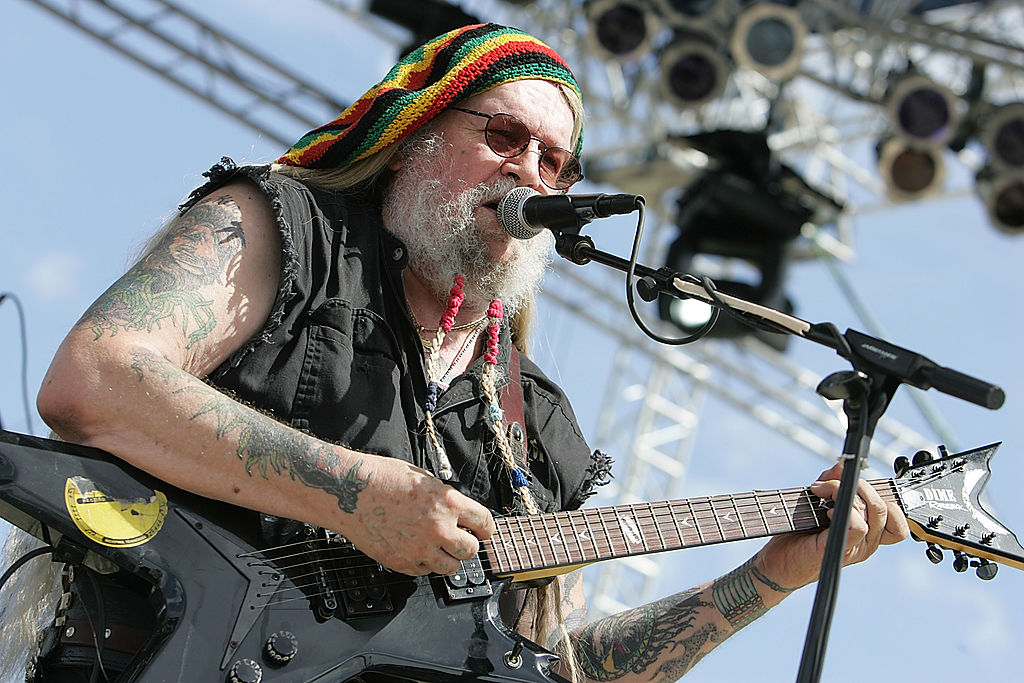
Longevity and Continued Relevance
Although his peak commercial success occurred during the 1970s, Coe continued to remain active in the industry for decades.
His 1983 album Castles in the Sand marked a notable resurgence, showing that his appeal had not faded.
The album featured “The Ride,” a track that resonated deeply with fans and reinforced his enduring connection with listeners.
This ability to maintain relevance highlighted his lasting influence within the genre.
A Career Marked by Controversy
Despite his musical achievements, Coe’s career was not without significant controversy.
He faced widespread criticism for material released in albums such as Nothing Sacred (1978) and Underground Album (1982).
These works included explicit and offensive language that drew strong backlash from both critics and audiences.
While Coe described the content as satirical or exaggerated, many remained critical of its nature.
The controversy surrounding these releases followed him throughout his career.
It contributed to a complex public image that combined artistic influence with ongoing debate about his choices.
This duality became a defining aspect of how his legacy would be viewed over time.
Legal Challenges in Later Years
In addition to artistic controversies, Coe also faced legal issues later in his life.
In 2015, he pleaded guilty to obstructing IRS laws.
As a result, he was sentenced to probation and required to pay a substantial financial penalty related to unpaid taxes.
These developments added another layer to a life already marked by both success and difficulty.
A Loyal Fan Base and Continued Performances
Despite the challenges and controversies, Coe continued to perform and record music well into his later years.
He maintained a dedicated fan base that appreciated his honest and unfiltered storytelling style.
For these listeners, his authenticity remained one of his most compelling qualities.
His ability to connect with audiences endured long after his peak years in the spotlight.
Personal Life and Family
On a personal level, Coe married Kimberly Hastings in 2010.
He is survived by his wife and his children.
While much of his public life was defined by his career and controversies, his family remained an important part of his story.
A Complicated but Lasting Legacy
David Allan Coe’s life and career defy simple categorization.
He was both a groundbreaking artist and a controversial figure, admired by some and criticized by others.
His contributions to outlaw country helped reshape the genre, giving voice to a more rebellious and unconventional perspective.
At the same time, the debates surrounding his work ensure that his legacy will remain complex.
His influence on music, culture, and storytelling cannot be ignored, even as discussions about his career continue.
With his passing, country music loses a distinctive voice that left a lasting impression on the genre.
His story serves as a reminder of the power of individuality in shaping artistic expression.
Whether celebrated or questioned, his impact remains firmly embedded in the history of country music.