
What Dirty Fingernails Really Say About a Person
First Impressions and Quick Judgments
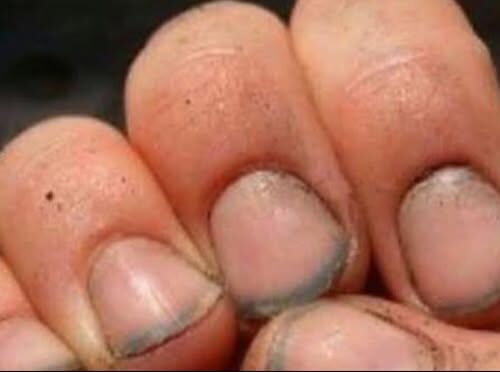
A single image can trigger immediate assumptions. When someone notices fingernails darkened with dirt and edges filled with grime, the reaction is often swift and instinctive.
The question frequently follows: “What do you call someone with nails like that?”
Although the question appears simple, it opens the door to deeper reflections about perception, bias, and context. The answer often reveals more about the observer than the individual being observed.
Hygiene and Social Expectations
From early childhood, people are taught that handwashing is essential. Clean hands are closely associated with health, safety, and responsibility.
Germs and bacteria can collect beneath fingernails. Through touch, they can transfer to surfaces, food, and other individuals, increasing the risk of illness.
Maintaining trimmed and clean nails is widely recognized as a basic health habit. It supports personal well-being and helps protect public health.
In environments where soap, water, and time for personal care are readily available, consistently dirty nails may be viewed as neglect. Social norms reinforce the idea that visible cleanliness reflects discipline and self-respect.
In workplaces, schools, and public settings, well-groomed hands often contribute to positive impressions. Clean appearance is commonly linked to organization, professionalism, and reliability.
These expectations are deeply rooted in daily routines. For many people, tidy hands symbolize order and attentiveness.
However, this explanation does not always account for the full picture.
When Dirt Reflects Honest Work
Darkened fingernails can tell a very different story depending on the circumstances. In many professions, dirt is not a sign of carelessness but a natural outcome of the job itself.
A mechanic working on an engine often reaches into tight spaces coated with grease and oil. Even thorough scrubbing may not immediately remove every trace.
A gardener turning soil, planting seeds, and trimming roots spends hours with hands immersed in earth. Soil settles into creases and beneath nails as part of the process.
Construction workers mixing concrete, carpenters shaping wood, painters finishing surfaces, and welders handling materials all encounter substances that cling to the skin.
Farmers harvesting crops, electricians installing wiring, and plumbers repairing pipes frequently finish their shifts with hands marked by the day’s tasks.
In these roles, visible grime is evidence of labor completed. It represents activity, productivity, and responsibility.
For individuals who build, repair, plant, or maintain essential systems, maintaining spotless hands at every moment is not always practical. The dirt may simply reflect hours of meaningful effort.
The Importance of Context
A single physical detail can carry multiple interpretations. Without understanding the setting, quick conclusions can easily become inaccurate judgments.
At a formal event, visibly dirty nails may seem out of place and suggest a lack of preparation.
At the end of a demanding shift at a construction site, those same nails likely indicate dedication and physical exertion.
After volunteering to clear debris following a natural disaster, dirt under the fingernails may symbolize service and compassion.
On a parent repairing a broken fence or tending to a backyard garden, it may reflect care and responsibility for family and home.
Context shapes meaning. Without it, appearance alone cannot tell the full story.
The Labels We Choose
So what do you call someone with nails like that?
There is no single answer that applies fairly in every situation.
Depending on the circumstances, you might call them a worker.
You might call them a provider supporting a household through physical effort.
You might see a builder maintaining structures that benefit a community.
In some instances, you may recognize an opportunity for improved hygiene habits.
Each possibility can be valid. The accurate description depends entirely on the broader narrative behind the image.
This is where thoughtful observation becomes essential.
Appearance Versus Character
Society often places strong emphasis on outward appearance. Visual cues influence how individuals are perceived in professional, academic, and social environments.
Polished hands and neat grooming are sometimes associated with higher status or authority. These associations, however, do not always reflect deeper qualities.
Hands that appear spotless may not have engaged in strenuous tasks that require lifting heavy materials, repairing machinery, or cultivating crops.
Conversely, hands marked by dirt may belong to individuals whose labor sustains families and communities.
Infrastructure, food production, home repairs, and essential services often rely on people whose work leaves visible traces.
The dirt itself can be washed away with water and soap. The work accomplished during the day carries lasting impact.
Health, Respect, and Balance
Cleanliness remains important. Regular handwashing and nail care help reduce the spread of illness and promote overall well-being.
These practices demonstrate consideration for others and support public health standards.
At the same time, respect for individuals should not depend solely on appearance. Before assigning labels based on what lies beneath someone’s fingernails, it is valuable to pause and reflect.
Are you observing neglect, or are you seeing the results of productive effort?
Is the visible grime a sign of carelessness, or evidence of hours spent building, repairing, planting, or helping?
Understanding Before Judging
First impressions can be powerful. They often shape opinions within seconds.
Yet thoughtful consideration requires more than a glance. It involves recognizing that visible signs may have multiple explanations.
In a world where external appearance frequently influences treatment and opportunity, fairness depends on examining context rather than relying solely on surface details.
Dirty fingernails may signal a need for better hygiene in some cases. In others, they may represent honest labor completed with dedication and care.
The difference lies in understanding the circumstances behind the image.
A Broader Reflection on Perception
The original question seems simple, but it highlights a broader human tendency to categorize quickly.
People often draw conclusions based on visible details without knowing the full story.
By considering alternative explanations, observers can move beyond assumptions and toward balanced understanding.
Physical appearance provides limited information. Character, effort, and intention often remain unseen.
When evaluating others, acknowledging this limitation can lead to more respectful and thoughtful interactions.
Conclusion
Clean hands and proper nail care contribute to health and social comfort. These habits are important and widely encouraged.
At the same time, visible dirt does not automatically define a person’s character or values.
Before answering the question, “What do you call someone with nails like that?” it is worth considering the full context.
Sometimes the marks beneath the fingernails reflect hours of meaningful work that support families, homes, and communities.
What appears untidy at first glance may represent responsibility, resilience, and effort.
The image may begin with dirty nails, but the deeper answer often reveals how we choose to see others.