
7 Gentle Exercises That May Help Ease Plantar Fasciitis Discomfort
Understanding Morning Heel Pain
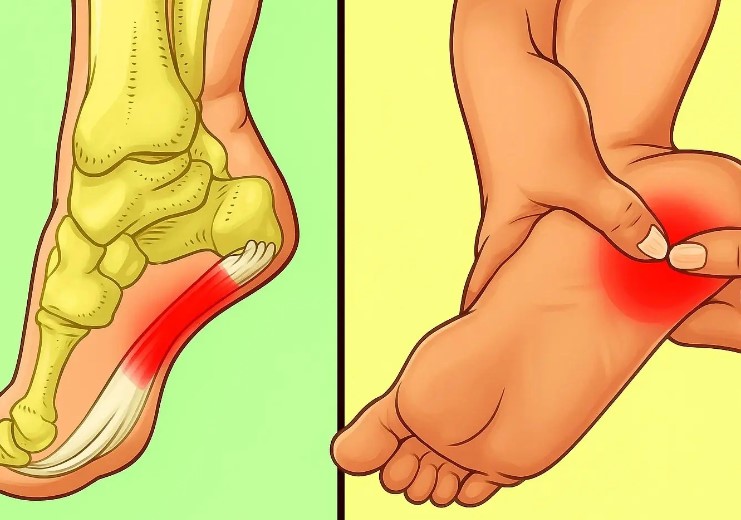
Waking up with sharp heel pain can make the first steps of the day feel unusually difficult. For many people, that painful feeling is linked to plantar fasciitis, a common condition involving irritation, strain, or tiny tears in the plantar fascia.
The plantar fascia is the strong band of tissue that supports the arch of the foot. When it becomes overstressed, simple movements like walking across a room can become uncomfortable.
Why Stretching and Strengthening Matter
Plantar fasciitis discomfort often improves when the foot and lower leg are supported through regular stretching and strengthening. These movements may help reduce tension, improve flexibility, and support the arch more effectively.
The goal is not to force the foot, but to build a steady routine that encourages better movement and less strain over time.
1. Seated Plantar Fascia Stretch
Sit down and place the affected leg over the other knee. Hold your toes gently and pull them back toward your shin until you feel a stretch along the bottom of the foot.
Hold the position for 20 to 30 seconds. This stretch can be especially helpful before getting out of bed in the morning, when the tissue is still stiff.
2. Wall-Supported Calf Stretch
Stand facing a wall with your hands at about eye level. Place one leg behind you, keep it straight, and lean forward until you feel a stretch in the back of the lower leg.
Hold for about 30 seconds on each side. Loosening tight calf muscles may reduce pulling on the heel and help lower stress on the plantar fascia.

3. Towel Curls
Sit in a chair and place a thin towel on a smooth floor. Use only your toes to scrunch the towel toward you, then spread it out and repeat.
This movement activates the small muscles inside the foot. Stronger foot muscles may help support the arch and reduce pressure on irritated tissue.
4. Controlled Heel Raises
Stand with your feet about shoulder-width apart. Slowly rise onto your toes, hold for two seconds, then lower yourself back down with control.
Aim for 2 to 3 sets of 10 to 15 repetitions. This exercise helps strengthen the calf and arch-supporting muscles, which may improve how weight is distributed while walking.
5. Marble Pickups
Place marbles, pens, or other small objects on the floor. Use your toes to pick them up one at a time and move them into a container.
This exercise encourages active foot movement and improves toe control. It also supports the small muscles that help stabilize the foot.

6. Rolling Massage
Sit in a chair and place a tennis ball, lacrosse ball, or frozen water bottle under your foot. Roll it slowly from the heel toward the base of the toes.
This technique may help ease tightness and provide temporary relief, making stretching more comfortable afterward.
7. Short Foot Exercise
Place your foot flat on the floor. Without curling your toes, gently pull the ball of your foot toward your heel so the arch lifts slightly.
Hold for about 5 seconds, then relax. This movement strengthens the muscles that help support the arch and may reduce collapse during standing or walking.

A Steady Recovery Routine
Recovery usually takes consistency. Stretching 2 to 3 times per day may help reduce first-step pain, especially when done before standing in the morning.
Strength exercises can be done gradually, starting gently and increasing only when the foot tolerates the movement well. Avoid pushing through sharp pain or making symptoms worse the next day.
Final Thoughts
Heel pain can make daily movement frustrating, but a steady routine may help support recovery. Stretching helps release tight tissue, while strengthening helps protect the foot from repeated strain.
Anyone with severe pain, swelling, sudden symptoms, or pain that does not improve should seek guidance from a qualified medical professional.