
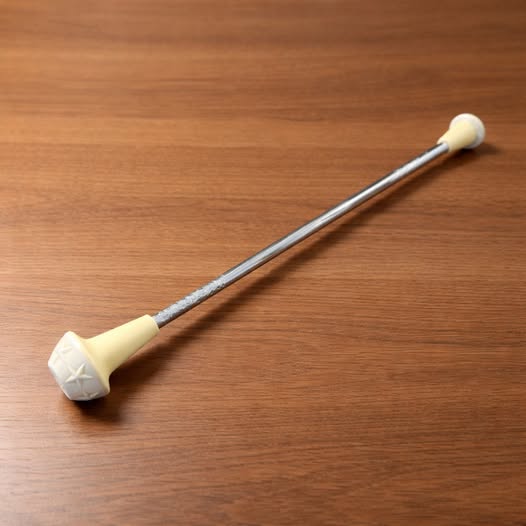
The Vintage Twirling Baton: A Symbol of Performance and Precision
Early Roots in Ceremony and Discipline
The vintage twirling baton stands as a lasting emblem of organized performance culture. Though simple in appearance, it played a powerful role in shaping parades, marching displays, and coordinated public performances throughout the early and mid-20th century.
Its earliest use can be traced to military and ceremonial traditions in the early 1900s. In these settings, batons were connected to order, command, and visual coordination.
Military drills relied on precision and uniformity. The baton served as a visual extension of rhythm and structure, helping guide formations and movements.
Over time, what began as a ceremonial tool gradually transitioned into a broader form of entertainment. The baton’s role expanded beyond command and into expressive performance.
The Rise of Baton Twirling in Popular Culture
By the 1920s and 1930s, baton twirling had entered a new era. It became increasingly visible in competitive marching band routines and school-based performance groups.
High schools and colleges embraced baton twirling as part of cheerleading squads and organized marching units. The baton evolved into a centerpiece of halftime shows and public events.
This shift marked an important transformation. The baton was no longer only a symbol of discipline but also one of flair and showmanship.
Performances began to blend structure with creativity. Twirlers combined technical accuracy with visual impact, creating routines that balanced order with entertainment.
Design Built for Control and Movement
Vintage twirling batons were carefully constructed to support both simple rotations and complex maneuvers. Their design prioritized balance and control.
Most early batons were made from wood or metal. These materials provided durability while allowing smooth handling.
The structure was intentionally simple. A well-balanced form ensured that performers could execute spins, flourishes, and tosses with consistency.
The center of gravity played a crucial role. Proper weight distribution made it easier to maintain rhythm and accuracy during rapid movement.
Though modest in appearance, each baton was engineered with performance in mind. Small adjustments in length, weight, and grip could significantly influence handling.
Performance Settings and Public Displays
Vintage twirling batons appeared in a wide range of public settings. Parades were among the most recognizable venues for baton performances.
During marching events, twirlers often led bands or performance groups. Their movements added visual rhythm to musical arrangements.
Halftime shows also showcased baton routines. Performers synchronized spins and steps to music, enhancing the overall spectacle.
Military drills continued to incorporate baton techniques, though in more formal and structured ways. The combination of discipline and artistry created a striking visual effect.
School performances further popularized baton twirling. Students practiced routines that required both technical skill and stage presence.
The Techniques Behind the Art
Baton twirling demands more than simple rotation. Successful routines depend on a blend of athletic and artistic abilities.
Athleticism forms the foundation. Twirlers must develop strength, coordination, and endurance to maintain control throughout a routine.
Timing is equally critical. Movements must align precisely with music or marching cadence.
Choreography adds structure. Planned transitions ensure that each motion flows seamlessly into the next.
Artistic expression elevates technique into performance. Graceful arm movements, posture, and facial expression contribute to the overall presentation.
The baton becomes an extension of the performer’s movement. When executed properly, spins and tosses appear effortless.
Complex tricks require practice and control. High tosses, rapid spins, and directional changes demand careful timing and confidence.
Balancing Discipline and Showmanship
One of the defining characteristics of baton twirling is its balance between discipline and creativity. The structured origins of the baton remain visible in its emphasis on precision.
At the same time, performers use the baton to express style and personality. Flourishes and patterns introduce visual variety.
This combination sets baton twirling apart from purely decorative performance forms. It requires technical mastery while encouraging artistic interpretation.
The routines often appear graceful, yet they are built on rigorous practice. Clean transitions and steady rhythm are achieved through repetition and focus.
Audiences respond to both the elegance and the difficulty of the skill. The appeal lies in watching controlled motion unfold in synchronized harmony.
Impact on School and Community Events
As baton twirling gained popularity, it became closely tied to community gatherings. Parades and local celebrations frequently featured baton performers.
School marching bands incorporated baton twirlers as visual leaders. Their presence added dimension to musical performances.
Competitions further formalized the practice. Performers were judged on technique, synchronization, and creativity.
The baton became more than a prop. It symbolized dedication and preparation.
For many participants, twirling represented teamwork and shared discipline. Group routines required coordinated timing and unified presentation.
The Visual Appeal of Motion
The visual impact of baton twirling lies in its dynamic movement. Spins create circular patterns that catch the eye.
Coordinated choreography produces geometric shapes when performed in groups. The interaction between multiple batons enhances the spectacle.
Light reflecting off metal surfaces adds another visual dimension. Even simple rotations can appear striking under bright conditions.
Movement synchronized with music heightens the sensory experience. The rhythm of the march reinforces the flow of the routine.
These elements combine to create performances that feel both energetic and controlled.
Enduring Recognition
The vintage twirling baton represents a distinctive period in performance history. Its journey from ceremonial tool to entertainment centerpiece reflects broader cultural shifts.
What began in structured military drills found new life in public celebrations and school traditions.
Throughout the early and mid-20th century, baton twirling became widely recognized for its blend of skill and style.
The simplicity of the baton contrasts with the complexity of its use. Mastery requires patience and consistent practice.
Even as performance trends evolve, the vintage baton remains a symbol of coordinated movement and visual artistry.
A Unique Chapter in Performance History
The story of the vintage twirling baton highlights how functional objects can evolve into cultural icons. Its transformation from ceremonial instrument to performance staple demonstrates adaptability.
By merging discipline with expression, baton twirling carved out a distinctive space in public entertainment.
Performers relied on balance, rhythm, and timing to craft routines that captivated audiences.
From parades and military drills to halftime shows and school events, the baton played a central role in shaping visual performance traditions.
Its legacy endures as a reminder of an era when coordinated movement and precise technique defined public displays.
The vintage twirling baton remains a testament to the power of simple design combined with human skill. Through controlled spins and carefully timed choreography, it helped create performances marked by precision, motion, and flair.