
Major Store Closures Are Reshaping American Retail in 2026
A Changing Retail Landscape
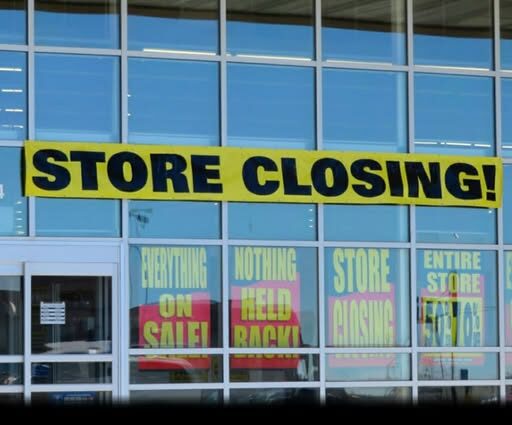
Across the United States, familiar storefronts are disappearing from malls, shopping centers, street corners, and neighborhood plazas.
More than 2,000 planned store closures have already been identified in 2026, with the number continuing to rise as companies review leases, reduce costs, and restructure their businesses.
The closures affect convenience stores, pharmacies, restaurants, department stores, grocery chains, apparel retailers, and specialty shops.
For many communities, these are not just business decisions. They can change where people buy food, fill prescriptions, shop for clothing, or gather with friends and family.
Why So Many Stores Are Closing
The reasons behind the closures vary by company, but several major pressures are affecting the industry at the same time.
Operating costs have increased, consumer habits have shifted, online shopping continues to grow, and many chains expanded too aggressively in previous years.
Some companies are closing only weaker locations. Others are shrinking large parts of their physical footprint. A few are moving through bankruptcy or liquidation.
7-Eleven
7-Eleven plans to close 645 stores in North America during fiscal year 2026, which runs from March 1, 2026, through February 28, 2027.
The brand remains one of the largest convenience store operators in the world, with more than 86,000 locations across 19 countries.
At the same time, the company is changing its strategy by focusing more heavily on foodservice and newer store formats.
Although more than 200 new stores are also planned, fiscal 2026 is expected to mark another year in which closures outnumber openings.
Many of the affected locations are older, smaller stores that no longer match the company’s future direction.
Francesca’s
Francesca’s is moving through bankruptcy and liquidation after years of pressure from online competition, financial difficulties, supplier disruptions, and operational setbacks.
The specialty retailer once operated around 700 boutique-style stores and became known for apparel, jewelry, gifts, and accessories.
Its bankruptcy process includes liquidation sales across approximately 400 leased stores.
The closures are expected to eliminate about 3,400 jobs nationwide.
The company’s low e-commerce share also showed a major weakness, with only 13% of 2025 sales coming from online channels.
Walgreens
Walgreens previously announced a plan to close 1,200 stores over three years as part of a footprint optimization effort.
The company expected 500 closures during fiscal year 2025, but the pace has since been reduced.
By early 2026, Walgreens expected fewer than 100 closures during the year.
The pharmacy industry has faced pressure from high lease costs, changing prescription economics, reimbursement challenges, staffing concerns, and theft-prevention measures that have changed the shopping experience.
The closures have also raised concerns about pharmacy access in communities where nearby drugstores are already limited.
Wendy’s
Wendy’s plans to close about 5% to 6% of its U.S. restaurants, which equals an estimated 298 to 358 locations.
The company had 5,969 U.S. restaurants, with 28 already closed in the fourth quarter of 2025.
The closures are part of a turnaround plan focused on underperforming restaurants.
Wendy’s struggled with sales in 2025, including an 11.3% drop in same-store sales and an 8.3% decline in global systemwide sales during the fourth quarter.
Macy’s
Macy’s is continuing its “Bold New Chapter” plan, which includes closing about 150 underperforming stores by 2026.
Fourteen stores are scheduled to close in 2026, following 66 closures in 2025 and 55 in 2024.
After the full plan is completed, about 350 Macy’s stores are expected to remain.
The company is also investing in stronger locations through its upgraded “Reimagine 125” stores, which have shown better comparable sales results than the broader chain.
Pizza Hut
Pizza Hut plans to close 250 underperforming restaurants during the first half of 2026.
The closures are part of the “Hut Forward” turnaround plan, which also includes marketing support and technology upgrades for some remaining stores.
The targeted locations represent only a small portion of the roughly 20,000 Pizza Hut restaurants operating worldwide.
The brand continues to face heavy competition from Domino’s, independent pizzerias, and delivery-based ordering habits.
Kroger
Kroger plans to close 60 unprofitable stores across the United States over an 18-month period.
The supermarket company operates more than 2,700 stores under several banners, including Ralph’s, Fred Meyer, and Fry’s.
Specific closure details have not been fully released, though locations in multiple states have already been identified through local reports.
For affected communities, losing a grocery store can mean longer drives and fewer nearby food options.
Saks Off 5th
Saks Off 5th plans to close 57 stores in early 2026, including five Last Call locations.
The closures are part of a broader restructuring after Saks Global filed for Chapter 11 bankruptcy.
Several cities are affected, including Austin, Chicago, Pittsburgh, Philadelphia, and Washington, DC.
The restructuring also affects the wider luxury retail group, including Saks Fifth Avenue, Neiman Marcus, and Bergdorf Goodman.
Carter’s
Carter’s plans to close 150 stores across the region over three years, with about 100 expected to close by the end of 2026.
The company cited tariffs as one factor affecting operations.
The remaining closures are expected to continue through 2028.
Carter’s remains widely available through other retailers and online channels, so the closures represent a smaller physical footprint rather than a disappearance of the brand.
REI
REI confirmed three store closures in 2026, including its SoHo store in New York City, plus locations in Boston and Paramus, New Jersey.
The Paramus store is expected to close early in the year, while the New York City and Boston locations are expected to close later in 2026.
The closures follow job reductions in 2025 and the end of REI’s Experience classes and adventure tourism packages.
Yankee Candle
Yankee Candle will close 20 stores in the United States and Canada beginning in January 2026.
The move was announced alongside a workforce reduction of more than 900 employees at parent company Newell Brands.
The stores represent a small share of total sales, but their closure reduces the brand’s traditional mall presence.
Grocery Outlet
Grocery Outlet is closing 36 underperforming stores.
About two-thirds of the affected stores are in the eastern United States, where the company had more difficulty building the same strength it developed in western markets.
The chain remains known for discount groceries and independently operated locations, but the closures show that even value-focused retailers face pressure from rent, costs, and profitability challenges.
Apple
Apple plans to close three mall stores in June 2026, with affected locations in Connecticut, California, and Maryland.
The closures are tied to declining conditions at the malls where those stores operate.
Apple remains financially strong, so these closures reflect challenges in specific shopping centers rather than weakness in the company itself.
What Shoppers Should Know
Customers who regularly shop at affected stores should watch for local closure notices, liquidation sales, and changes to gift card policies.
Liquidation sales can offer discounts, but inventory often becomes limited quickly.
For communities, the impact can be larger than a single empty storefront. A closed pharmacy, grocery store, restaurant, or department store can change daily routines and reduce local access to important goods and services.
The wave of closures is likely to continue as retailers focus on stronger locations, reduce costs, and adapt to the continued growth of online shopping.