
Why Tingling or “Pins and Needles” Should Never Always Be Ignored
A Strange Feeling That Can Stop You in Your Tracks
You wake up suddenly in the middle of the night and realize your hand feels numb. For a few unsettling seconds, it refuses to move normally. A burning, buzzing sensation spreads through your fingers as panic quietly begins to rise.
Most people immediately assume it is nothing serious. They shake their hand, stretch their arm, and wait for the familiar “pins and needles” feeling to disappear.
In many cases, it does fade quickly and never returns. But sometimes, that strange sensation can be your body’s warning sign that something deeper is happening beneath the surface.
That tingling or numb feeling is medically known as paresthesia. It can affect the hands, feet, legs, arms, or even other parts of the body.
While temporary paresthesia is common and often harmless, repeated or long-lasting symptoms should never automatically be dismissed.
Why Temporary Tingling Happens
The most common cause of paresthesia is simple pressure on a nerve or reduced circulation.
Falling asleep with your arm under your body, crossing your legs for too long, or staying in one position without movement can compress nerves temporarily.
Once pressure is relieved, blood flow and nerve signals return to normal. The tingling sensation usually disappears within a few minutes.
This is why many people experience the feeling after waking up awkwardly or sitting in an uncomfortable position for too long.
The sensation may feel strange or uncomfortable, but short-lived episodes are generally not dangerous.
When the Feeling Becomes a Warning Sign
The situation changes when tingling continues, returns repeatedly, or appears without any obvious cause.
Persistent paresthesia can sometimes point to underlying nerve irritation or nerve damage.
If the sensation regularly affects the same area of the body, especially with pain or weakness, it may indicate a larger medical issue that requires attention.
The body often sends subtle signals before more serious symptoms appear. Tingling may be one of those early warnings.
Ignoring recurring numbness simply because it seems minor can delay important medical care.
Possible Nerve-Related Causes
Nerves carry signals between the brain, spinal cord, and the rest of the body. When those nerves become compressed, damaged, or irritated, unusual sensations can develop.
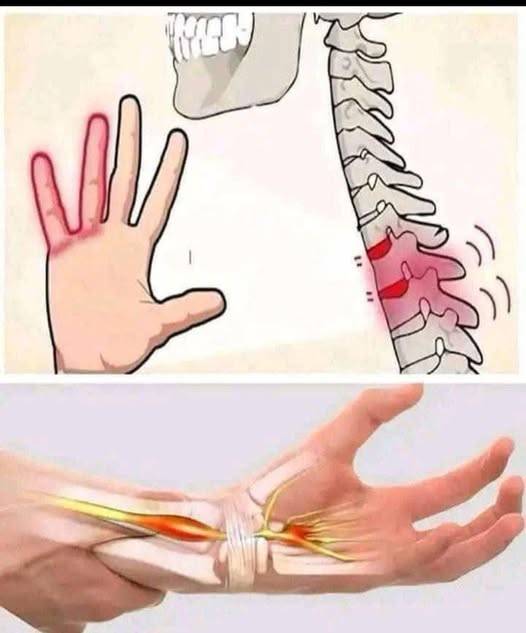
One common example is carpal tunnel syndrome. This condition affects nerves in the wrist and often causes numbness, burning, or tingling in the hand and fingers.
People who spend long hours typing, gripping tools, or repeating the same hand movements may notice symptoms becoming worse over time.
Spinal problems can also trigger paresthesia. Issues involving the neck or lower back may place pressure on nerves connected to the arms or legs.
In some cases, nerve symptoms may spread gradually and become more frequent if the underlying cause is not treated.
Neurological Conditions and Tingling
Some neurological disorders may also begin with tingling sensations.
Conditions involving the brain, spinal cord, or nervous system can interfere with normal nerve communication throughout the body.
Multiple sclerosis is one example in which tingling or numbness may appear as an early symptom.
A stroke can also produce sudden numbness or weakness, especially on one side of the body.
Because these conditions can become serious very quickly, recognizing warning signs early is extremely important.
Symptoms That Should Never Be Ignored
Tingling becomes more concerning when it appears alongside other symptoms.
Sudden numbness combined with confusion, difficulty speaking, dizziness, severe headache, or weakness may signal a medical emergency.
Difficulty walking, loss of coordination, or facial drooping should also be treated seriously.
When these symptoms appear together, immediate medical attention may be necessary.
The body rarely produces sudden neurological symptoms without a reason.
How Chronic Paresthesia Can Affect Daily Life
Ongoing tingling can slowly interfere with normal routines.
Some people begin struggling with simple activities like holding objects, typing, walking comfortably, or sleeping through the night.
Others experience constant discomfort that gradually affects concentration and emotional well-being.
Because the symptoms sometimes come and go, many individuals delay seeking help until the condition becomes harder to ignore.
What begins as occasional numbness can eventually become persistent weakness or pain if the underlying cause continues progressing.
The Importance of Paying Attention to Your Body
Many people are taught to minimize physical symptoms, especially when they seem temporary.
But the nervous system often communicates through subtle sensations before larger problems appear.
Tingling, numbness, burning, or unusual buzzing feelings should not automatically be brushed aside if they continue happening.
Even symptoms that seem mild can provide valuable clues about overall health.
Paying attention early may help identify issues before they become more serious.
When to Seek Medical Attention
Not every episode of paresthesia is dangerous, but recurring symptoms deserve proper evaluation.
If numbness lasts longer than expected, repeatedly returns, spreads to other areas, or worsens over time, medical guidance becomes important.
Symptoms that interfere with movement, balance, or strength should also be taken seriously.
A healthcare professional can help determine whether the sensation is harmless temporary nerve pressure or a sign of a more significant condition.
Early attention may help prevent further complications and provide peace of mind.
Listening Instead of Ignoring
Most people have experienced harmless “pins and needles” at some point in their lives.
Usually, the feeling fades quickly and causes nothing more than temporary discomfort.
But when tingling becomes persistent, unusual, or paired with other warning signs, it should never be ignored.
The body often sends signals quietly before demanding attention loudly.
If something feels different, lasts longer than normal, or creates concern, listening to those signals may be far more important than simply waiting for them to disappear.