

Lee Grant’s Hollywood Rise, Sudden Blacklisting, and Remarkable Comeback
A Rising Star During Hollywood’s Golden Era
Hollywood in the 1950s was known for glamour, prestige, and powerful studios that controlled nearly every aspect of an actor’s career.
For performers trying to succeed during that era, talent alone was not always enough. Careers could rise quickly, but they could also collapse without warning.
Among the many actresses who captured attention during this period, Lee Grant stood out for her elegance, screen presence, and memorable performances.
With striking features and natural charisma, she quickly became one of the most talked-about young actresses in the industry.
Studio executives believed she had everything needed to become one of Hollywood’s next major stars.
Her early success appeared to confirm those expectations.
An Impressive Film Debut
Lee Grant’s breakthrough arrived in 1951 when she appeared in the film adaptation of Detective Story, starring Kirk Douglas.
The performance immediately earned attention from both audiences and critics.
Her role showcased emotional depth, confidence, and versatility that many young actresses struggled to achieve early in their careers.
The reaction to her performance was overwhelmingly positive.
Grant received a nomination for the Academy Award for Best Supporting Actress, a major achievement for a newcomer in Hollywood.
She also won the Best Actress award at the Cannes Film Festival, further strengthening her reputation as one of the industry’s brightest new talents.
At that moment, her future in Hollywood looked extremely promising.
Everything suggested she was on the path toward long-term stardom.
A Sudden and Unexpected Career Collapse
Despite her growing popularity and critical recognition, Grant’s career suddenly changed direction.
She was unexpectedly banned from working at one of Hollywood’s most influential studios.
The decision shocked many people inside the entertainment industry.
Observers struggled to understand how an actress who had achieved so much success in such a short period could suddenly lose professional opportunities.
The sudden change created confusion throughout Hollywood.
Rumors quickly began spreading.
Some believed she had disagreements with powerful studio executives.
Others claimed her personal life may have created concern among industry leaders who carefully managed the public image of actors and actresses during that period.
There were also suggestions that larger political tensions within Hollywood played a major role in what happened.
At the time, the entertainment industry was heavily influenced by fear, pressure, and political scrutiny.
Careers could be damaged simply because someone was viewed as controversial or unwilling to follow the expectations imposed by major studios.
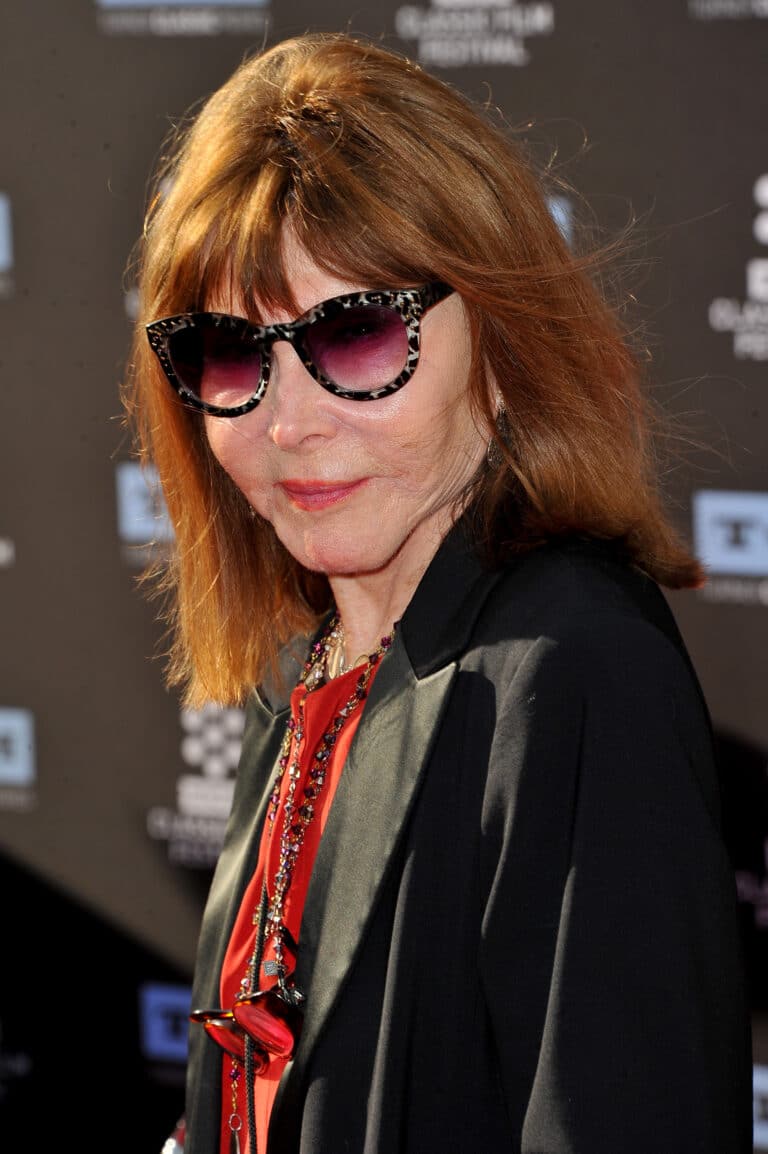
The HUAC Era and Growing Pressure in Hollywood
During the early 1950s, the entertainment industry faced intense political pressure connected to investigations by the House Un-American Activities Committee, commonly known as HUAC.
The committee became known for questioning actors, writers, directors, and other industry figures about alleged political associations.
Many careers were permanently damaged during this period.
Some performers were blacklisted, while others found themselves unable to secure work despite their success and popularity.
Lee Grant became connected to that difficult period after she delivered a passionate speech in 1951 during a memorial service for actor J. Edward Bromberg.
During the speech, she stated that Bromberg’s death had been caused by the stress of appearing before HUAC.
That moment would reportedly have lasting consequences for her professional career.
Afterward, opportunities in Hollywood became increasingly limited.
The Harsh Reality of the Studio System
During Hollywood’s Golden Age, studios exercised enormous control over actors and actresses.
Contracts often gave studios the power to shape careers, public appearances, and personal behavior.
Stars who refused to cooperate with studio expectations risked severe consequences.
Some performers lost important roles.
Others had contracts terminated or found themselves unofficially excluded from major productions.
For many actors, challenging the system was almost impossible.
The fear of losing work forced countless performers to remain silent, even when facing unfair treatment.
Lee Grant became one of several talented entertainers whose careers were deeply affected by the political and professional climate of the time.
Her rapid rise in Hollywood made her downfall even more surprising.
Only a short time earlier, she had been celebrated as one of the industry’s most promising actresses.
Years of Professional Struggles
Following her blacklisting, Grant’s career changed dramatically.
The steady stream of opportunities that once seemed guaranteed suddenly disappeared.
Film offers became rare.
Her name slowly faded from major headlines, despite the acclaim she had received earlier in the decade.
For the next twelve years, her professional life was shaped by uncertainty and limited opportunities.
While many rising stars of the era continued building successful careers, Grant struggled to regain her place in the industry.
The experience reflected the harsh realities faced by many entertainers during that period in Hollywood history.
Talented performers could quickly lose everything because of politics, personal disagreements, or studio decisions beyond their control.
Even major awards and critical praise offered little protection.
A Determined Return to Acting
Although her career suffered a major setback, Lee Grant never disappeared completely from the entertainment world.
Over time, she slowly rebuilt her professional reputation through persistence and determination.
She eventually appeared in several well-known projects that introduced her talent to new audiences.
Among those productions were Valley of the Dolls, Columbo, Shampoo, and later Mulholland Drive.
These performances demonstrated that her abilities as an actress had never faded.
Audiences once again recognized the talent that had first brought her acclaim in the early 1950s.
Her comeback became one of the more remarkable stories in Hollywood.
After years of struggle, she ultimately achieved one of the industry’s highest honors.
An Academy Award Victory
Lee Grant eventually won the Academy Award for Best Supporting Actress.
The achievement represented more than professional recognition.
It also symbolized resilience after years of setbacks and exclusion from major opportunities.
For many observers, the award served as proof that talent and determination could survive even the most difficult circumstances.
Her victory carried emotional significance because it came after such a long and challenging period in her career.
By returning to success after years of hardship, Grant demonstrated remarkable perseverance.
Her story became an example of how unpredictable Hollywood could be, especially during its most powerful studio years.
The Dark Side of Classic Hollywood
Today, Hollywood operates very differently from the strict studio system that dominated the 1950s.
Actors and actresses now generally have more freedom and greater control over their careers.
However, stories like Lee Grant’s continue to remind audiences of the darker side of classic Hollywood.
Behind the glamour and success, many performers faced enormous pressure.
Studios often controlled contracts, publicity, and casting decisions with little accountability.
Careers could change overnight.
For some stars, a single disagreement or controversial moment could result in years without work.
Grant’s experience highlighted how fragile fame could become under that system.
Even someone celebrated for beauty, talent, and award-winning performances was not immune to professional punishment.
A Legacy That Endures
Although her rise to stardom was interrupted, Lee Grant’s contributions to film and television continue to be remembered.
Her performances remain part of Hollywood history, admired by audiences who appreciate classic cinema and powerful acting.
Many film fans still view her as one of the most talented and underrated actresses of her generation.
Her early work demonstrated enormous potential, while her later success proved her resilience.
The challenges she faced also continue to hold historical importance because they reflect a difficult chapter in the entertainment industry.
Her story is not only about fame or awards.
It is also about survival in an industry where careers were often controlled by forces beyond an actor’s control.
Lee Grant’s journey remains a powerful reminder that success in Hollywood has never depended on talent alone.
Even so, her ability to return, rebuild her career, and earn lasting recognition ensured that her legacy would endure long after the studio era came to an end.