
The Surprising Truth Behind the Bright Red Seed Pods in Your Yard
An Unusual Discovery Beneath the Trees
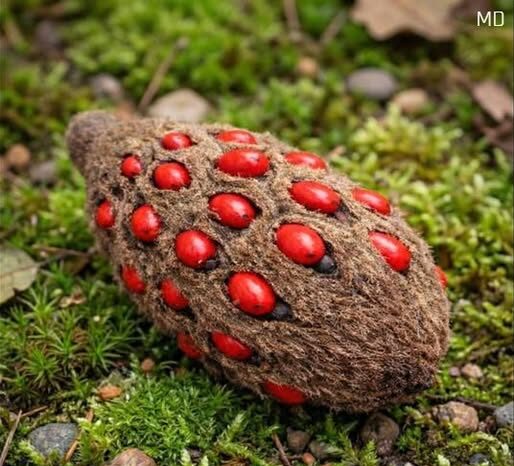
Finding something unfamiliar in your yard can instantly spark curiosity. A textured, cone-shaped object with vivid red seeds emerging from its surface may look almost artificial at first glance.
Its unusual appearance often leads to questions. Is it man-made? Is it harmful? Does it belong there at all?
In reality, this striking object is entirely natural. It is the seed pod of a magnolia tree, a widely recognized ornamental tree admired for its beauty and fragrance.
Magnolia trees are especially common in the southeastern United States, though many varieties thrive in other regions as well. Their seed pods are simply another stage in the tree’s natural life cycle.
From Flower to Seed Pod
The development of a magnolia seed pod begins after the tree’s dramatic blossoms finish blooming. Magnolia flowers are often large, creamy white or soft pink, and known for their pleasant scent.
When the petals fall away, a small green structure remains where the flower once stood. This structure gradually transforms over the warmer months.
As summer progresses, the pod enlarges and becomes firmer. Its color deepens from green to a woody brown as autumn approaches.
By late summer or early fall, the pod reaches maturity. At that stage, it begins to split open.
When it does, brilliant red seeds become visible, standing out sharply against the darker surface of the pod.
Why the Seeds Are So Bright
The vivid red color of magnolia seeds serves an important ecological purpose. Each seed is coated in a fleshy outer layer that attracts birds and small wildlife.
This outer layer makes the seeds more noticeable and appealing to animals. As birds and other creatures feed on them, they inadvertently help distribute the seeds to new locations.
Through this natural process, magnolia trees are able to reproduce and spread beyond their original planting area.
What might appear decorative or ornamental is actually part of a carefully balanced system of natural propagation.
Recognizing a Magnolia Seed Pod
Magnolia seed pods have a distinctive appearance that becomes easier to recognize once you know what to look for.
They are typically cone-shaped and somewhat elongated. Before they dry completely, they may feel slightly soft or textured, giving them a faintly fuzzy appearance.
As they age and dry out, they become harder and more rigid.
These pods are most often found scattered beneath the tree’s canopy in late summer and fall.
If you notice several similar objects on the ground beneath a magnolia tree, you can be confident they are simply part of the seasonal cycle.
The Beauty of Magnolia Trees
Magnolia trees are prized for more than just their unusual seed pods. Their glossy leaves and dramatic blossoms make them a favorite in gardens and landscaped spaces.
Some varieties remain evergreen throughout the year, keeping their deep green leaves even in cooler seasons.
Others are deciduous, shedding their foliage before winter and producing fresh growth in the spring.
Their blossoms often appear before or alongside new leaves, creating a striking visual display.
For many homeowners, magnolia trees represent elegance, tradition, and natural charm.
Are Magnolia Seeds Safe?
While magnolia seeds are not considered highly toxic, they are not intended for human consumption.
Accidental ingestion may cause mild stomach discomfort, but they are not typically associated with severe reactions.
The seeds exist primarily for ecological purposes rather than as a food source for people.
Birds and wildlife, however, rely on them as a seasonal source of nourishment.
This natural relationship supports biodiversity and contributes to the overall health of local ecosystems.
What to Do If You Find Them
If magnolia seed pods fall into your yard, there is generally no need for concern.
You may simply allow them to decompose naturally. As they break down, they return nutrients to the soil.
This process supports healthy plant growth and maintains soil quality over time.
Some homeowners choose to collect the dried pods for decorative purposes.
Their distinctive shape and texture make them popular in seasonal craft projects and natural arrangements.
A Seasonal Reminder of Nature’s Cycles
Magnolia seed pods are a reminder that every stage of a tree’s life serves a purpose.
From blossom to seed, each transformation supports renewal and growth.
What may initially appear mysterious or unfamiliar is simply part of a broader natural rhythm.
Observing these changes can deepen appreciation for the environment right outside your door.
Rather than viewing such discoveries with concern, understanding them reveals the intricate design of the natural world.
The Broader Ecological Role
Beyond their visual appeal, magnolia trees contribute to their surroundings in meaningful ways.
Their leaves provide shade and shelter. Their flowers attract pollinators.
Their seed pods, in turn, feed wildlife and ensure future generations of trees.
Each element supports a balanced system that benefits both plants and animals.
In suburban neighborhoods and rural landscapes alike, magnolias play a quiet but important role.
Why Curiosity Leads to Understanding
Moments of surprise in your yard can become opportunities to learn more about the environment.
A bright red seed peeking from a woody pod might seem unusual at first, but closer examination reveals its natural origin.
Magnolia seed pods are not foreign objects or artificial debris. They are simply part of a tree’s seasonal transformation.
With a bit of awareness, what once looked mysterious becomes familiar.
In the end, these striking pods serve as small reminders that nature is constantly at work, even in the quiet corners of your own backyard.