
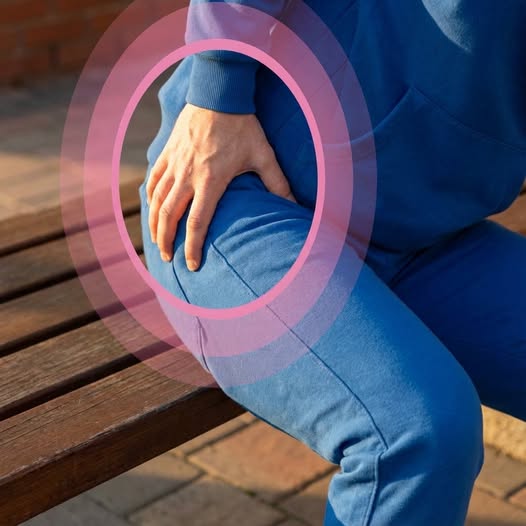
Early Hip Warning Signs Many People Overlook
Subtle Sensations That Deserve Attention
A quiet click, an unexpected pop, or a faint grinding sensation in the hip can seem harmless at first.
When these sensations occur without immediate pain, many people assume they are minor or simply part of getting older.
However, the hip joint plays a critical role in nearly every basic movement the body performs.
Standing upright, walking across a room, bending to tie a shoe, or lowering into a chair all rely heavily on proper hip function.
When unusual sensations begin to appear repeatedly, they may signal that the joint is no longer moving as smoothly as it should.
Over time, this reduced smoothness can place additional strain on surrounding muscles, tendons, and connective tissue.
Ignoring these early signs may allow small mechanical issues to develop into more persistent problems.
Recognizing changes in the way the hip feels during movement is often the first step toward protecting long-term joint health.
Why the Hip Joint Matters So Much
The hip is one of the body’s largest and most stable joints.
It serves as a central connection point between the upper and lower body.
Because it supports body weight while also allowing flexibility and rotation, it absorbs significant daily stress.
Every step places force through the joint, and repetitive motions can gradually affect how efficiently it functions.
If the joint begins to move unevenly, the body may compensate in subtle ways.
These compensations can shift strain onto nearby structures, altering posture and movement patterns.
Over time, even minor imbalances can influence comfort and mobility.
Paying attention to subtle changes can help prevent unnecessary wear and strain.
When Sensations Persist
Occasional clicking without discomfort may not indicate a serious issue.
However, when unusual sounds or sensations occur regularly, they warrant closer observation.
Persistent stiffness, reduced range of motion, or ongoing discomfort may suggest that the joint is under increased stress.
Some individuals notice difficulty when rising from a seated position or climbing stairs.
Others experience a sense of tightness after long periods of inactivity.
When these changes continue or gradually worsen, professional evaluation becomes increasingly important.
Healthcare professionals are trained to assess joint mechanics and identify possible contributing factors.
An initial evaluation often includes a physical examination to assess strength, flexibility, and joint movement.
If necessary, imaging tools may be used to gain a clearer view of internal joint structures.
Common Contributors to Hip Changes
Hip concerns can affect people at any stage of life.
Past injuries may leave lingering effects that alter how the joint moves.
Repetitive motions performed at work or during athletic activity can gradually increase strain.
Long hours of sitting may also contribute to muscle tightness and reduced joint mobility.
Physical activities that place repeated pressure on the joint can amplify small imbalances over time.
Muscle weakness or uneven strength between muscle groups can affect stability.
Reduced joint stability may change movement patterns, sometimes without immediate awareness.
As these patterns continue, additional stress may develop in surrounding tissues.
The Role of Daily Habits
Everyday routines significantly influence hip comfort and function.
Posture during sitting, standing, and walking can affect how force is distributed through the joint.
Remaining seated for extended periods may contribute to stiffness and reduced circulation.
Standing up regularly and incorporating gentle movement throughout the day can support joint mobility.
Body weight also affects the amount of pressure the hip must absorb.
Balanced activity levels and supportive footwear may help reduce unnecessary strain.
Being mindful of how the body lifts, turns, and bends can prevent avoidable stress.
Small, consistent adjustments often create meaningful improvements over time.
Staying Active to Support Joint Health
Movement remains one of the most effective ways to maintain hip comfort.
Even when mild symptoms are present, appropriate activity can encourage healthy joint function.
Low-impact exercises such as walking provide gentle, consistent movement.
Swimming allows the body to move freely without placing excessive weight on the joint.
Cycling can also promote circulation and mobility while minimizing stress.
Strengthening exercises focused on the core and upper legs enhance joint stability.
When surrounding muscles are strong, they help distribute forces more evenly.
Gentle stretching maintains flexibility and reduces muscle tension.
A balanced approach to movement supports both stability and range of motion.
The Importance of Early Action
Addressing hip concerns early can make a meaningful difference in long-term mobility.
Waiting until discomfort becomes severe may limit options for conservative management.
Listening to subtle warning signs allows individuals to adjust habits before strain intensifies.
Simple lifestyle modifications often have a cumulative effect.
Incorporating regular movement breaks during sedentary workdays can reduce stiffness.
Varying daily activity patterns helps prevent repetitive strain.
Maintaining awareness of posture during routine tasks supports balanced joint loading.
These steps may seem small, but their impact grows over time.
Understanding Joint Stability and Balance
The hip relies on coordinated muscle activity to function efficiently.
When one muscle group becomes tight or weak, others may compensate.
This compensation can gradually alter alignment and movement patterns.
Reduced stability may increase friction within the joint.
As friction increases, sensations such as clicking or grinding may become more noticeable.
Improving muscle balance can help restore smoother motion.
Targeted strengthening and flexibility exercises support joint integrity.
Consistency remains key in maintaining long-term improvements.
Maintaining Confidence in Everyday Movement
Healthy hip function supports independence and confidence.
Comfortable movement enables participation in daily activities without hesitation.
Preserving joint mobility allows individuals to remain active and engaged.
By recognizing early changes, individuals can respond thoughtfully rather than reactively.
Preventive care often requires only small adjustments applied consistently.
Balanced activity, mindful posture, and regular strengthening can work together to protect joint health.
Over time, these efforts may help reduce discomfort and maintain stability.
Remaining attentive to the body’s signals encourages proactive care.
Long-Term Mobility and Joint Care
The hip’s central role in movement means its health influences overall quality of life.
Supporting the joint through informed habits can promote lasting mobility.
Early awareness of unusual sensations allows for timely intervention.
Professional evaluation provides clarity when symptoms persist or worsen.
Combined with practical lifestyle adjustments, early action helps preserve comfort.
Movement remains essential, even when mild discomfort is present.
Low-impact activities, strengthening routines, and flexibility exercises form a strong foundation.
By prioritizing joint care, individuals can maintain confidence in everyday movement for years to come.