
Austrian Mountaineer Faces Trial Over Fatal Winter Climb on Grossglockner
Tragedy on Austria’s Highest Peak
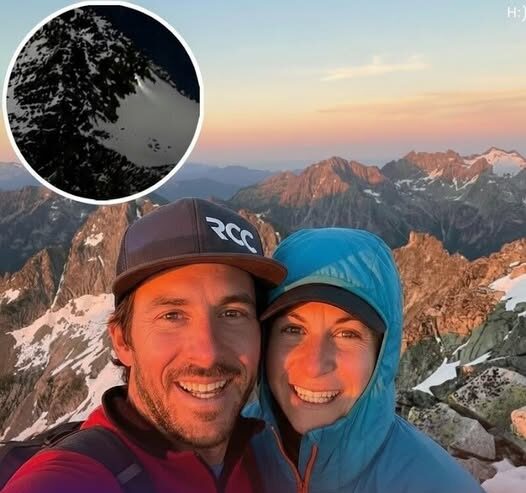
A high-profile trial unfolding in Innsbruck has captured attention across Austria and beyond, centering on a fatal winter ascent of the country’s tallest mountain. At the heart of the proceedings is 39-year-old climber Thomas Plamberger, who stands accused of gross negligent manslaughter following the death of his partner, 33-year-old Kerstin Gurtner.
The tragedy occurred during a January 19, 2025 attempt to summit Grossglockner, which rises to 12,460 feet above sea level. Known both as a symbol of alpine accomplishment and as a formidable natural environment, the mountain presents significant risks during winter conditions.
What began as an ambitious climb ended in catastrophe after severe weather overtook the upper slopes overnight. Gurtner was later discovered approximately 150 feet below the summit ridge after rescue teams mounted a search in extreme conditions.
Plamberger has pleaded not guilty. He maintains that the events were the result of sudden and brutal weather rather than recklessness or disregard for safety.
Timeline of the Ascent
Testimony presented in court detailed how the couple began their climb in the early hours of the morning. Such timing is common among mountaineers, as firmer snow and ice during pre-dawn hours can provide more stable footing before sunlight alters surface conditions.
Winter in the high Alps, however, offers little room for error. As the pair neared the summit ridge, temperatures were reportedly close to minus eight degrees Celsius, with windchill driving perceived conditions to nearly minus twenty.
In such an environment, prolonged exposure can quickly become dangerous. Fatigue, inadequate wind protection, and the physical strain of high-altitude climbing can compound the risks.
Prosecutors told the court that Gurtner, described as the less experienced of the two climbers, began struggling near the summit. Plamberger testified that she appeared exhausted and increasingly affected by the cold.
According to his account, around two in the morning, worsening gusts and diminishing visibility forced them to confront a critical choice. They could remain in place and attempt to endure the elements, or descend in search of assistance.
Plamberger told the court that during this pivotal moment, Gurtner urged him to leave and seek help. He recalled her final words as “go now.”
Those words have become central to both the prosecution’s argument and the defense’s position.
Prosecution’s Allegations
Prosecutors argue that leaving a partner alone in such extreme alpine conditions represents a breach of duty. They emphasize Plamberger’s greater experience and assert that this experience carried heightened responsibility.
According to the charges, as the more seasoned mountaineer and the organizer of the climb, Plamberger was responsible not only for planning but also for preparing contingency measures in case of deteriorating conditions.
The prosecution contends that adequate assessment of weather forecasts and appropriate equipment planning should have factored into the decision to attempt the summit.
Court filings indicate that authorities believe Gurtner might have been moved to a more sheltered location behind natural wind barriers such as rock formations or snow structures. Such positioning, they suggest, could have reduced exposure to severe gusts.
Questions have also been raised about whether additional insulating layers or emergency bivouac gear were available and whether their use might have extended her ability to survive in the freezing environment.
Another focal point of the prosecution’s case involves communication efforts. It is alleged that emergency services were not contacted as quickly as possible, and phone records reportedly reveal gaps in attempted communications.
A presiding judge has described portions of Plamberger’s timeline as inconsistent, prompting further scrutiny into the sequence of events between his descent and the arrival of rescue teams the next morning.
Defense Response
The defense has pushed back strongly against these claims, portraying the tragedy as a devastating accident shaped by rapidly escalating weather conditions.
Plamberger’s legal team argues that high-altitude winter storms can develop unpredictably and intensify faster than climbers anticipate. They maintain that staying together without adequate shelter could have resulted in two fatalities instead of one.
According to Plamberger’s testimony, descending to seek help was not an act of abandonment but a desperate attempt to mobilize rescue resources as quickly as possible.
The defense asserts that the decision was mutual and made under immense physical and psychological strain. They emphasize that Gurtner’s encouragement for him to leave was genuine and not coerced.
Plamberger has expressed remorse throughout the proceedings. His legal team notes that he participated in search efforts as soon as conditions permitted and has consistently maintained that the events were tragic rather than criminal.
Support for his character has come from friends and from Gurtner’s mother. She has publicly defended both her daughter’s abilities as a climber and Plamberger’s integrity, voicing frustration over public judgment before a verdict is reached.
Broader Debate in the Mountaineering Community
Beyond the courtroom, the case has prompted wider discussion among climbers about responsibility and risk in extreme environments.
Winter ascents of major alpine peaks demand meticulous preparation. Route planning, avalanche risk evaluation, continuous weather monitoring, and strict turnaround criteria are considered essential components of safe mountaineering.
Experienced climbers often emphasize a guiding principle: reaching the summit is optional, but returning safely is mandatory. Yet decisions made near a summit can be influenced by fatigue, emotional investment, and deteriorating physical condition.
Experts note that hypothermia can impair judgment and distort perception. As body temperature drops, decision-making ability may decline, complicating retrospective evaluations of actions taken under duress.
The prosecution’s argument rests in part on the premise that greater experience translates into a higher duty of care. The defense contends that even seasoned climbers can confront situations where every available option carries substantial risk.
This tension highlights the challenge of translating split-second mountain decisions into legal standards. Assessing whether conduct meets the threshold of gross negligence requires careful analysis of context and feasibility.
Evidence and Reconstruction
The court in Innsbruck is now tasked with reconstructing events that unfolded in darkness, subzero temperatures, and powerful winds. Such conditions inherently limit clarity and precision.
Forensic examination of equipment, clothing layers, GPS data, and call logs forms part of the evidentiary record. Meteorological reports detailing wind speeds and temperature fluctuations from that night are also under review.
Rescue personnel have testified regarding the challenges of accessing the site and the state in which Gurtner was found. Severe weather hampered immediate efforts, complicating both search and recovery operations.
While emotional narratives inevitably influence public perception, the legal determination will depend on whether Plamberger’s conduct satisfies the definition of gross negligence under Austrian law.
This requires weighing his experience, the objective hazards present, the feasibility of alternative actions, and the credibility of his account.
A Somber Reminder of Alpine Risks
Grossglockner stands as both a national landmark and a demanding alpine challenge. In winter, its upper slopes can transform into an unforgiving environment where wind, cold, and exposure converge.
The case underscores the thin boundary between calculated risk and irreversible loss. For mountaineers, preparation and vigilance are constants, yet nature retains the final word.
Regardless of the verdict, the proceedings serve as a stark reminder of the realities of winter climbing. Decisions made in moments of exhaustion and fear can later be scrutinized in courtrooms far removed from the mountain’s isolation.
For those who pursue high-altitude challenges, the mountains offer exhilaration, perspective, and accomplishment. For families and communities left behind after tragedy, they also prompt difficult questions that do not always yield clear answers.
As the trial continues, the court must determine whether the events of January 19, 2025 reflect criminal negligence or a heartbreaking accident shaped by extreme circumstances. The outcome will carry implications not only for those directly involved but for broader discussions about accountability in extreme sports.
Innsbruck’s courtroom now stands as the setting for that determination, far from the icy ridge where the decisions were made. The final judgment will seek to balance law, responsibility, and the unpredictable forces that define life in the high Alps.