
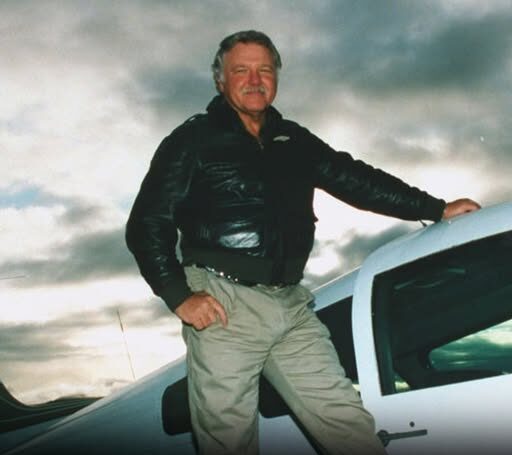
James “Bo” Gritz, Retired Special Forces Officer Linked to Rambo Inspiration, Dies at 87
A Life Marked by Military Service and Public Controversy
James “Bo” Gritz, a retired U.S. Army Special Forces officer who said he inspired the character John Rambo portrayed by Sylvester Stallone, has died at the age of 87.
His passing was confirmed in a statement from his wife, who shared that he died peacefully. No official cause of death was disclosed.
Gritz spent decades in public life, first as a decorated military officer and later as a political activist and mediator during high-profile standoffs in the United States.
His career reflected a combination of battlefield service, political involvement, and controversial affiliations that drew both admiration and criticism.
Distinguished Service in Vietnam
Gritz served in the Vietnam War as a member of the 5th Special Forces Group (Airborne). During his military career, he rose to the rank of lieutenant colonel before retiring from the Army.
He received multiple commendations for his service, including three Silver Stars, reflecting his participation in combat operations and acts of bravery.
While deployed, he led Detachment B-36 of the 5th Special Forces Group. The unit operated as part of the MIKE Force, a combined team of American personnel and Cambodian-Vietnamese fighters.
This specialized group carried out missions in the III Corps area of southern South Vietnam, close to the Cambodian border, an area known for intense military activity.
One of the missions frequently associated with Gritz involved retrieving the black box from a downed Lockheed U-2 spy plane in Cambodia in December 1966.
The operation required entering enemy territory and was described as a significant undertaking during the war.
In addition to battlefield operations, Gritz later claimed involvement in covert missions intended to locate and rescue American prisoners of war in Laos.
None of those rescue attempts were successful, but he remained vocal for years about the issue of American POWs.

Transition from Military to Political Activism
After leaving active duty, Gritz shifted from military service to political engagement.
He became increasingly involved in movements centered on constitutional rights and government accountability.
Over time, he developed associations with conspiracy theories, militia organizations, and the Christian Patriot movement.
His outspoken positions brought him national attention and placed him within circles critical of federal authority.
In 1992, Gritz ran for president under the Populist Party banner.
Although his campaign did not achieve widespread electoral success, it solidified his role as a political figure advocating for constitutional interpretation and citizen sovereignty.
The Ruby Ridge Standoff
One of the most prominent episodes in Gritz’s post-military life occurred during the 1992 Ruby Ridge standoff in Idaho.
The confrontation involved Randy Weaver and federal agents in a deadly siege that resulted in the deaths of Weaver’s wife and son.
Gritz traveled to Idaho during the standoff after being contacted by federal authorities in hopes that he could help negotiate a peaceful resolution.
At the time, tensions were high, and the situation had already resulted in significant loss of life.
Reflecting on the events, Gritz described the scene in stark terms.
“It was just a terrible scene,” he recalled.
He added, “Weaver hadn’t fired a shot at anybody. And yet, his son was dead.”
Despite warnings from the FBI, Gritz entered Weaver’s cabin during the standoff.
He assessed Weaver’s minor injuries and worked to facilitate legal representation.
His involvement contributed to preventing further violence, and the standoff ultimately concluded without additional fatalities.
The episode further elevated Gritz’s profile among groups skeptical of federal law enforcement actions.
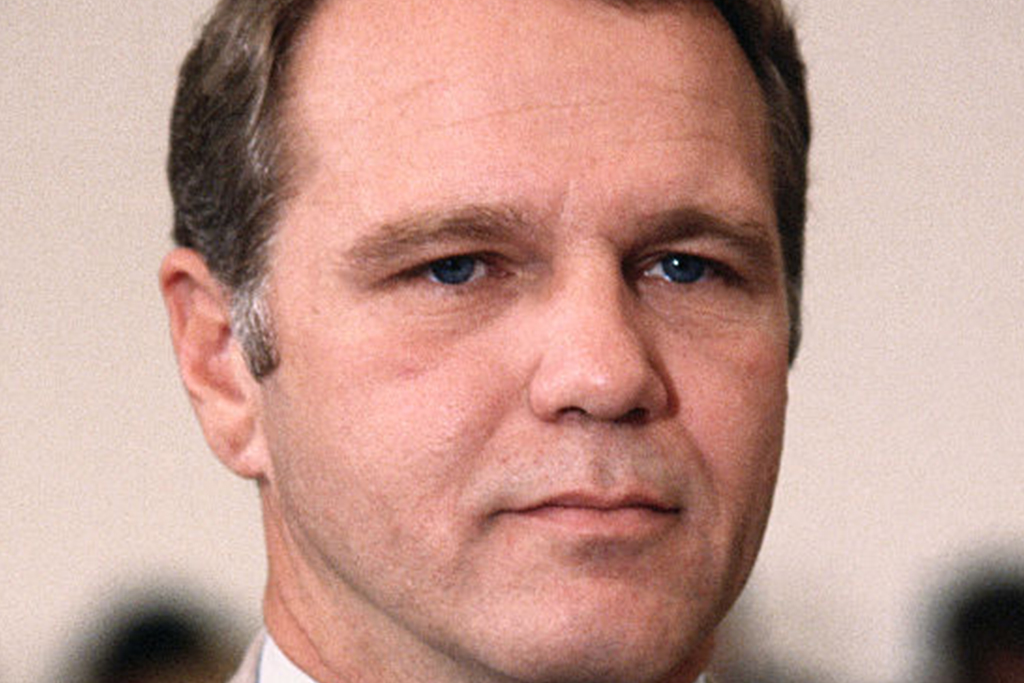
Montana Freemen Mediation Attempt
Following Ruby Ridge, Gritz attempted to serve as a mediator during another major confrontation.
He sought to negotiate with the Montana Freemen during their 81-day standoff with federal authorities.
That effort proved less effective than his involvement in Idaho.
The Montana situation remained complex and protracted, underscoring the challenges of mediating between armed groups and government officials.
Even so, Gritz maintained that his actions were motivated by a commitment to protecting constitutional principles and reducing bloodshed.
A Mission Framed by Constitutional Belief
Throughout his later years, Gritz frequently emphasized what he viewed as his lifelong duty to defend the Constitution.
In 2020, he reflected on his sense of purpose and the direction his life had taken after Vietnam.
“This is not supposed to happen in America. I took an oath to defend the Constitution, and I’ve been overseas and all of a sudden the Constitution, to me, was in challenge and in the forefront.”
He framed his involvement in domestic standoffs as an extension of that oath.
He expressed a willingness to place himself in harm’s way when he believed American citizens were at risk.
At one point, he described the Special Forces as his “mistress,” underscoring the depth of his lifelong identification with military service.
He once stated, “When people, American citizens, get into trouble, I’ve been wanting to hold up my hand. And I will put myself in the face of danger when it comes to American citizens who don’t have my experience.”
That sentiment became a defining theme of his post-military public life.
Connection to the Character of John Rambo
Gritz also gained attention for his claim that he influenced the creation of John Rambo, the fictional Vietnam veteran portrayed by Sylvester Stallone in the “First Blood” film series.
He asserted that aspects of his military background and post-war experiences informed elements of the character.
While the connection remained a subject of discussion rather than confirmed collaboration, Gritz embraced the association.
His life story and perspective were featured in the 2017 documentary “Erase and Forget.”
In that film, he discussed his military career, his activism, and his belief that his experiences resonated with the themes depicted in the Rambo franchise.
Life in Sandy Valley
In his later years, Gritz lived in Sandy Valley, near the California-Nevada border.
The rural community lies about 35 miles west of Las Vegas.
He had resided there for more than 45 years, and the area became central to his identity.
His wife wrote publicly that he wished to remain in Sandy Valley rather than move to a long-term care facility.
“Bo has told me several times he wants to die in Sandy Valley, where he has lived for over 45 years, and he wants to be buried here,” she shared.
She later stated that he died peacefully, “looking into the eyes of our Savior.”
Her message reflected his personal faith and long-standing ties to the community.
Family and Final Years
Gritz was the father of four children.
Despite slowing down in his later years, he remained outspoken about issues he believed were central to American civic life.
He continued to discuss constitutional rights, government authority, and the responsibilities of citizenship.
Those themes remained consistent throughout his decades of public engagement.
His life encompassed a wide range of roles: decorated soldier, covert operative, political candidate, mediator, activist, and media personality.
Each chapter of his journey contributed to a public image that combined military valor with political controversy.
A Complex and Controversial Legacy
James “Bo” Gritz leaves behind a legacy shaped by both commendation and debate.
His military honors reflected courage under fire and participation in demanding operations during the Vietnam War.
At the same time, his political affiliations and public positions placed him at the center of contentious national conversations.
His involvement in domestic standoffs highlighted his belief that mediation and constitutional interpretation were extensions of his military oath.
For supporters, he represented steadfast dedication to individual rights and constitutional principles.
For critics, his associations with conspiracy theories and militia movements raised concerns.
Regardless of perspective, his life intersected with pivotal moments in both international conflict and domestic unrest.
From the jungles of Vietnam to rural Idaho and Montana, and finally to the quiet desert community he called home, Gritz’s path remained rooted in his understanding of duty.
His death at 87 closes a chapter on a life that spanned military heroism, political activism, and enduring public attention.
He is remembered by his family, his supporters, and those who encountered him during some of the most charged events of late 20th-century America.
No cause of death has been released.