
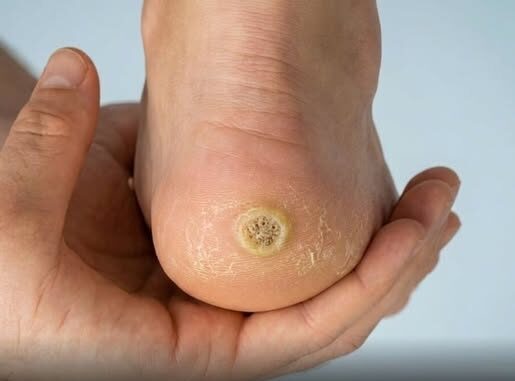
That Hard Lump on Your Foot May Not Be What You Think
A Common Foot Problem That Is Often Misunderstood
A rough, hardened spot on the bottom of the foot may seem harmless at first glance. Many people immediately assume it is simply a callus caused by pressure or friction. In many situations, that is true. But not every thickened patch of skin is as harmless as it appears.
Some foot lesions that look like ordinary calluses are actually plantar warts, a condition caused by the Human Papillomavirus, commonly known as HPV. Because the two conditions can appear extremely similar, many individuals do not realize there is an important difference until discomfort increases or the area begins to spread.
Understanding how to recognize the signs can help prevent unnecessary pain, improper treatment, and the risk of further infection.
What Exactly Is a Callus?
A callus is the body’s natural response to repeated pressure or friction. The skin thickens over time in order to protect the underlying tissue from constant stress.
These hardened areas commonly develop on weight-bearing parts of the feet, especially the heels, balls of the feet, or sides of the toes. Tight shoes, standing for long periods, walking barefoot, or repetitive movement can all contribute to their formation.
In most cases, calluses are not dangerous. They are considered a protective skin reaction rather than an infection or disease.
When the source of friction is removed or reduced, the skin often softens gradually on its own. Proper footwear, cushioning, and moisturizing can usually help manage the problem effectively.
How Plantar Warts Are Different
Although plantar warts may resemble calluses on the surface, they develop for a completely different reason.
A plantar wart is caused by HPV entering the skin through tiny cuts or breaks. Once the virus gets beneath the surface, it triggers abnormal skin growth that creates a rough lesion.
These warts often appear on pressure points of the foot, which is one reason they are so frequently mistaken for ordinary thickened skin.
The virus tends to thrive in warm and damp environments. Shared public spaces such as locker rooms, swimming pools, gym showers, and communal changing areas can increase exposure risk.
Unlike a callus, a plantar wart is contagious. The infection may spread to other areas of the same foot, the opposite foot, or even to other individuals through contaminated surfaces.
Small Details That Can Reveal the Difference
There are several subtle but important signs that can help distinguish a plantar wart from a callus.
One major clue involves the natural skin lines. Calluses generally follow the normal pattern of the skin, while plantar warts often interrupt or distort those lines.
Plantar warts may also contain tiny black dots within the lesion. These dots are small clotted blood vessels located beneath the surface.
The shape can also differ slightly. Warts are often more circular and defined, while calluses may spread more broadly across an area exposed to friction.
Pain patterns may provide another important hint. A callus usually becomes more sensitive when direct downward pressure is applied. A plantar wart, however, often hurts more when pressure is applied from the sides.
Some individuals describe the sensation as feeling like they are stepping on a pebble hidden inside the skin.
Why Proper Identification Matters
Misidentifying a plantar wart as a callus can lead to unnecessary complications.
Many people attempt to file, cut, shave, or scrape thickened skin at home. While this may temporarily reduce the appearance of a callus, it does not eliminate the viral infection inside a wart.
In some situations, aggressive filing or cutting may actually worsen the problem. The irritation can push the virus deeper into the skin or increase the risk of spreading it to surrounding areas.
Because plantar warts are contagious, untreated lesions may multiply over time. What begins as a single spot can eventually become a cluster of painful growths.
This risk becomes even more serious for people with diabetes, poor circulation, nerve damage, or weakened immune systems. Any damage to the skin on the feet can become harder to heal and may increase the possibility of complications.
Treatment Options Can Vary
Proper diagnosis is important because treatment approaches for calluses and plantar warts are completely different.
Calluses are generally managed by reducing pressure and friction. Supportive footwear, cushioning pads, moisturizing creams, and gentle skin care often improve symptoms over time.
Plantar warts require treatment aimed at the viral infection itself. Some cases respond to over-the-counter products designed specifically for wart removal, while others may require medical treatment.
The sooner the condition is identified correctly, the easier it may be to prevent discomfort and limit spreading.
Simple Prevention Habits Can Help Protect Your Feet
Maintaining good foot hygiene can reduce the likelihood of developing plantar warts.
Keeping feet clean and dry is an important step. Moist environments create favorable conditions for viral exposure and skin irritation.
Wearing sandals or protective footwear in shared public showers, pools, and locker rooms can also help lower the risk.
Avoiding the sharing of personal items such as towels, nail tools, socks, or foot care instruments may further reduce exposure.
Regularly checking the feet for unusual changes can also help identify problems before they become more severe.
The Difference May Be Small, but It Matters
At first glance, a callus and a plantar wart can appear almost identical. Both may look rough, thickened, and uncomfortable. But beneath the surface, they are very different conditions with very different causes.
One is the body’s protective response to pressure. The other is a contagious viral infection capable of spreading if left untreated.
Recognizing the warning signs early can help protect comfort, mobility, and long-term foot health.
What appears to be a harmless patch of thick skin may deserve closer attention than many people realize.