
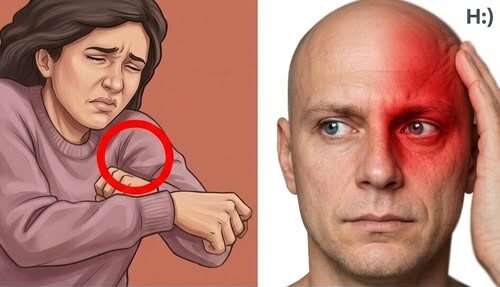
Stroke Warning Signs That Should Never Be Ignored
When the Body Sends Early Signals
Many people believe a stroke happens without any warning, striking suddenly and leaving no chance to respond.
In reality, the body may sometimes show warning signs before a major stroke occurs. These signs can appear days or even weeks earlier, but they are often mild enough to be ignored.
A person may blame the symptoms on stress, tiredness, dehydration, or simply feeling unwell. That delay can be dangerous, because even brief changes in blood flow to the brain can point to a serious underlying problem.
Why Mini-Strokes Matter
A transient ischemic attack, often called a TIA or mini-stroke, happens when blood flow to part of the brain is temporarily reduced.
The symptoms may disappear within minutes or hours, leaving the person feeling normal again. This can create a false sense of safety.
Even when the symptoms pass quickly, a TIA should be treated seriously. It may be a warning that a larger stroke could happen if the cause is not addressed.
Common Symptoms to Watch For
Stroke warning signs can vary from person to person.
Some people may feel sudden numbness or weakness on one side of the body. Others may become confused, struggle to speak, or have trouble understanding what someone else is saying.
Vision changes can also occur. A person may notice blurred vision or partial vision loss in one or both eyes.
Balance problems, sudden dizziness, difficulty walking, or loss of coordination can also be warning signs.
A severe headache that appears suddenly and feels unusual should not be ignored, especially when it has no clear cause.
Men and Women May Experience Stroke Differently
Men often show more familiar stroke symptoms, including arm weakness, facial drooping, slurred speech, or difficulty walking.
Women may also experience these symptoms, but they can sometimes have less typical signs. These may include sudden nausea, extreme fatigue, shortness of breath, fainting, confusion, hiccups, or unusual pain.
Because these symptoms can look like stress, anxiety, or other health issues, they may be dismissed too quickly.
Risk Factors That Increase Danger
High blood pressure is one of the biggest stroke risk factors, especially because it can develop silently.
Other risks include smoking, diabetes, high cholesterol, obesity, heavy alcohol use, long-term stress, and lack of physical activity.
Heart conditions such as atrial fibrillation may also increase the chance of clots forming and traveling to the brain.
For women, pregnancy-related complications, hormonal contraceptive use, migraines with aura, and circulation changes connected to menopause may also play a role.
The FAST Method Can Save Time
The FAST method focuses on four urgent signs: face drooping, arm weakness, speech difficulty, and time to call emergency services.
Time matters because the brain can be damaged quickly when oxygen is reduced. The sooner treatment begins, the better the chance of limiting long-term harm.
Even symptoms that disappear should not be ignored. A short episode of weakness, confusion, or speech trouble may be the only warning before a more serious event.
Why Acting Quickly Matters
Strokes are not always completely unpredictable. In many cases, the body gives quiet warnings before the emergency becomes severe.
Recognizing those signs and responding immediately can make a major difference. Awareness, fast action, and medical attention may help reduce the risk of lasting damage.
No warning sign should be treated as too small when the brain may be involved.