
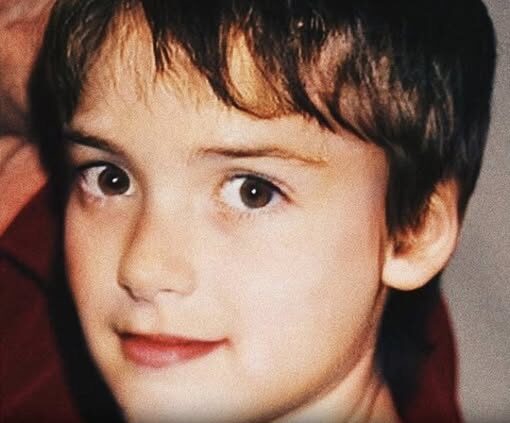
Winona Ryder’s Journey From Childhood Trauma to Hollywood Resilience
A Life That Nearly Ended Before It Began
At just 12 years old, Winona Ryder came frighteningly close to losing her life.
A day at the beach turned into a nightmare when she was pulled from the ocean without a pulse and not breathing. Panic spread across the shoreline as those around her feared the worst.
For several terrifying moments, it appeared that her story might end before it had truly begun.
Against all odds, she survived.
The experience left a lasting mark that would follow her throughout her life. While the physical danger passed, the emotional consequences remained, shaping how she viewed the world for years to come.
A Childhood Influenced by Difficult Memories
Long before she became a recognizable face in Hollywood, Ryder grew up surrounded by stories that carried deep emotional weight.
Her childhood environment exposed her to accounts connected to the horrors of the Holocaust, experiences that left a profound impression on her at a young age.
These stories helped shape her understanding of suffering, survival, and human resilience.
While many children grow up largely protected from such heavy realities, Ryder developed an awareness of fear and loss that stayed with her as she matured.
Those early influences became part of the emotional foundation that later informed many of her performances.
Living With Fear After a Near-Fatal Drowning
The beach accident did not simply become a distant childhood memory.
Its effects remained deeply rooted in Ryder’s life.
Following the incident, she developed aquaphobia, an intense fear of water that became one of several personal challenges she would continue to navigate.
For many people, traumatic experiences fade over time. For others, they leave lasting emotional scars that require constant management.
In Ryder’s case, the fear created by that near-fatal encounter stayed with her well into adulthood.
The event served as an early example of how survival can sometimes carry consequences long after the immediate danger has passed.
Entering an Industry Known for Pressure
As Ryder pursued acting, she stepped into an industry celebrated for glamour but often criticized for its harsh realities.
Hollywood offered opportunities, recognition, and success, but it also brought intense scrutiny.
Young performers frequently face pressure to meet impossible expectations while growing up in front of audiences around the world.
For someone already carrying anxiety and emotional struggles, those demands could be especially difficult.
Yet Ryder continued moving forward, building a career that would eventually make her one of the defining actresses of her generation.
Bullying and Personal Struggles
Success did not shield Ryder from cruelty.
During her younger years, she experienced bullying and violence that left emotional wounds.
She was targeted because of how she looked and because of assumptions made about her by others.
These experiences reinforced feelings of isolation and insecurity.
For many people, such treatment can become an obstacle that limits confidence and personal growth.
Ryder faced those challenges while simultaneously trying to establish herself in a highly competitive profession.
The difficulties she encountered became another layer in a life story already marked by hardship.
Transforming Pain Into Performance
What made Ryder’s career remarkable was not simply her talent but her ability to channel personal experiences into her work.
The emotions she carried from childhood fears, anxiety, and painful experiences often translated into performances that felt authentic and deeply human.
Audiences connected with the vulnerability she brought to the screen.
Rather than hiding her struggles, she found ways to transform them into artistic expression.
This ability helped distinguish her from many of her peers.
Her performances resonated because they reflected genuine emotional complexity rather than manufactured perfection.
Over time, she became associated with characters who felt real, imperfect, and relatable.
Becoming a Defining Figure of an Era
As her career progressed, Ryder emerged as one of the most recognizable stars of the 1990s.
Her work helped define a generation of film audiences.
She became known not only for her acting ability but also for her distinctive presence on screen.
Viewers saw a performer capable of portraying vulnerability, strength, uncertainty, and determination all at once.
Her popularity grew rapidly, and she became one of Hollywood’s most talked-about talents.
Yet beneath the success remained the same person who had survived trauma, fear, and personal challenges long before fame arrived.
Setbacks and Public Scrutiny
Like many public figures, Ryder eventually faced difficult periods in her career.
Fame can be unpredictable, and the entertainment industry often moves quickly from one generation of stars to the next.
Scandals and setbacks brought intense public attention.
As her visibility declined, many observers assumed her most successful years were behind her.
The industry that had once embraced her appeared to move on.
For some performers, such moments mark the end of a career.
For Ryder, however, they became another chapter in a much longer story of resilience.
Refusing to Disappear
What distinguished Ryder was her refusal to allow adversity to define her future.
Instead of accepting the narrative that her career was over, she continued moving forward.
Her persistence reflected a pattern that had existed throughout her life.
She had survived a near-death experience as a child.
She had endured bullying, anxiety, depression, and professional setbacks.
Each challenge tested her ability to continue, and each time she found a way to do so.
That determination ultimately positioned her for an unexpected return to prominence.
A Powerful Return Through Stranger Things
Ryder’s resurgence came through the hit series Stranger Things.
The role introduced her to a new generation of viewers while reminding longtime fans of the qualities that had made her such a compelling performer.
In the series, she portrayed a mother willing to confront unimaginable dangers in order to protect her child.
The character’s fear, determination, and refusal to give up became central elements of the story.
For many viewers, the performance felt especially powerful.
The emotional intensity seemed connected to the real-life experiences Ryder had carried throughout her own journey.
Her portrayal demonstrated that her talent remained as strong as ever.
More Than a Career Comeback
The success of Stranger Things represented more than a return to public attention.
It marked a reclaiming of her narrative.
Rather than being remembered only for earlier achievements or public controversies, Ryder reminded audiences of her enduring abilities as an actress.
The role highlighted qualities that had defined her life beyond Hollywood: perseverance, courage, and resilience.
She was no longer simply revisiting past success.
She was creating a new chapter built on experience, growth, and survival.
A Legacy Defined by Resilience
Today, Winona Ryder stands as far more than a symbol of 1990s cinema.
Her story reflects the reality that success is rarely a straight path.
Behind the fame exists a history shaped by trauma, fear, anxiety, and personal struggle.
Yet it is also a story of persistence.
Time and again, she faced circumstances that could have stopped her journey.
Instead, she continued forward.
From surviving a near-fatal drowning at age 12 to overcoming years of emotional challenges and professional setbacks, Ryder’s life has been defined by endurance.
At 54, she remains an example of how resilience can emerge from the most difficult experiences.
Her journey serves as a reminder that survival is not only about escaping tragedy but also about finding the strength to keep going long afterward.
For many people, that may be the most remarkable role she has ever played.