
Ozzy Osbourne’s Extraordinary Life and Legacy in Rock Music
From a Working-Class Childhood to a Rock Music Icon
For more than half a century, Ozzy Osbourne remained one of the most recognizable, controversial and influential figures in rock music.
With a voice that became instantly identifiable, a public image that was both theatrical and unpredictable, and a career filled with dramatic reinvention, he helped shape a sound that changed popular music forever.
His death at age 76 marks the closing of a remarkable chapter in rock history, one that stretched from the industrial neighborhoods of Birmingham, England, to the biggest stages in the world.
From Birmingham Childhood to an Unlikely Music Career
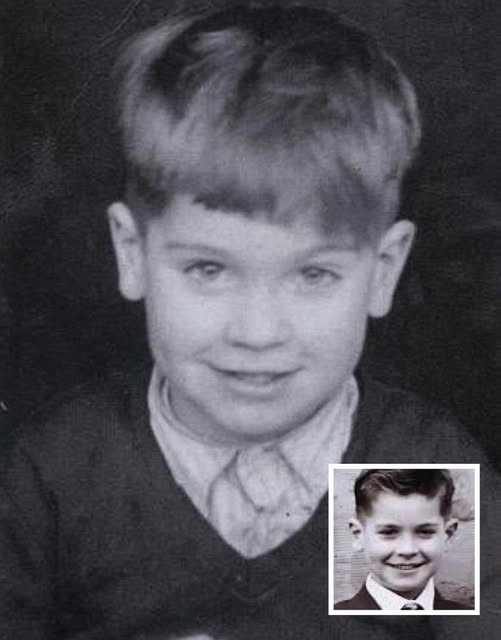
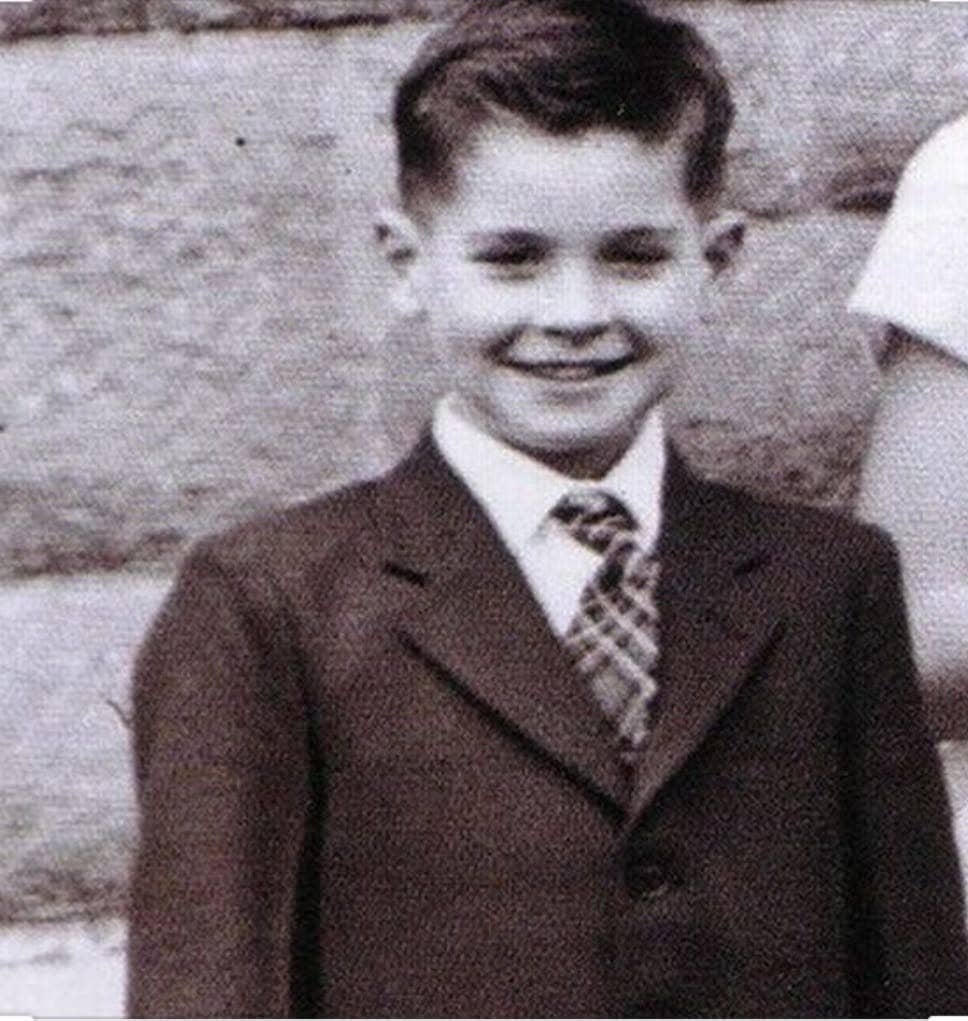
Long before he became known globally as the “Prince of Darkness,” Ozzy Osbourne was a working-class boy growing up in Birmingham.
His early life was far removed from the fame, wealth and international recognition that would later define his public image.
School was difficult for him, and he struggled with learning challenges that would later be identified as dyslexia and ADHD.
Those difficulties shaped much of his youth, leaving him feeling disconnected from traditional classroom life.
By his mid-teens, he had left school and entered the world of work, moving through a variety of jobs that offered little stability or glamour.
He took on manual labor, worked in a slaughterhouse and experienced the harsh realities of life at a young age.
His early years also included legal trouble. After being convicted of theft, he spent time in prison, a chapter that became part of the difficult path he would eventually rise above.
At that stage in his life, there was little to suggest that he would become one of the defining voices of heavy metal.
Music changed that direction completely.
The Sound That Changed Rock Forever
During the 1960s, British rock was expanding rapidly, inspiring young musicians across the country to form bands and search for new sounds.
Osbourne became drawn to that movement and began performing with local groups, slowly finding an outlet that gave his voice and personality a place to exist.
One of the most important connections of his early musical life was his friendship with bassist Geezer Butler.
That relationship eventually helped lead to the formation of a band that wanted to create music darker, heavier and more intense than what audiences were used to hearing.
Alongside guitarist Tony Iommi and drummer Bill Ward, Osbourne became part of a lineup that would transform rock music.
The group that emerged from that collaboration was Black Sabbath.
At the time, much of popular rock was still shaped by psychedelic sounds, blues influences and the optimism of the era.
Black Sabbath moved in a different direction.
Their music carried a heavier atmosphere, built around thunderous guitar riffs, ominous themes and a sense of darkness that set them apart from their peers.
Osbourne’s voice became central to that identity.
It was haunting, dramatic and unmistakable, giving the band’s songs a presence that felt unlike anything else on the charts.
Black Sabbath and the Birth of Heavy Metal
As the lead singer of Black Sabbath, Ozzy Osbourne helped deliver a series of albums that became essential to the development of heavy metal.
Among the group’s most important works were Paranoid, Master of Reality and Sabbath Bloody Sabbath.
Those albums did more than bring success to the band. They created a blueprint that countless musicians would study, imitate and expand upon for decades.
The band’s sound was powerful because it felt raw, direct and completely different from the musical trends around it.
The combination of Iommi’s heavy guitar work, Butler’s bass lines, Ward’s drumming and Osbourne’s voice gave Black Sabbath an identity that could not easily be copied.
Their music spoke to listeners who were drawn to intensity, darkness and emotional weight.
As the band’s reputation grew, Osbourne became one of rock’s most distinctive frontmen.
His stage presence was unpredictable, his personality was larger than life, and his image became inseparable from the rise of heavy metal itself.
Black Sabbath’s influence spread far beyond their original audience.
Generations of rock and metal artists would later point to the band as a major force in shaping their own music.
Fame, Conflict and a Difficult Departure
The success of Black Sabbath came with serious personal and professional challenges.
As the band became more famous, substance abuse, internal conflict and the pressures of constant attention began to affect both Osbourne and the group.
The same wild energy that helped make him a compelling performer also contributed to instability behind the scenes.
Over time, tensions inside the band became harder to manage.
Osbourne’s struggles with substance abuse and the conflicts surrounding the group eventually led to his departure from Black Sabbath.
For many observers, that moment seemed like the end of his career.
Leaving a band as important as Black Sabbath could have ended his time in the spotlight, especially given the personal problems that surrounded him.
Instead, the split became the beginning of another major chapter.
Rather than disappear from music, Osbourne rebuilt himself as a solo artist and proved that his career was not limited to the band that first made him famous.
A Solo Career That Defied Expectations
With the support of his future wife, Sharon Osbourne, he launched a solo career that became one of the most successful second acts in rock history.
Sharon played an important role in helping him move forward during a period when many believed his best years were behind him.
His solo work brought new albums, major tours and a renewed public identity.
Osbourne became more than the former singer of Black Sabbath. He became a headline act in his own right.
The solo years also strengthened his reputation as one of music’s most unpredictable personalities.
His stage antics, public controversies and shocking moments often drew as much attention as his songs.
For some fans, those controversies added to his legend. For others, they made him one of the most debated figures in rock culture.
Through it all, he continued to perform, record and maintain a connection with audiences who were fascinated by both his music and his persona.
His ability to survive public setbacks became one of the defining features of his career.
A New Generation Discovered Him on Television
In the 2000s, Ozzy Osbourne reached a new audience through the reality television series The Osbournes.
The program gave viewers an unfiltered look at his family life and presented a different version of the rock legend.
For younger viewers who may not have grown up with Black Sabbath or his early solo career, the show introduced him as a chaotic, humorous and unexpectedly relatable television figure.
The series turned Osbourne into an unlikely reality star.
It also expanded his fame beyond music, making him recognizable to people who knew little about heavy metal.
His family life, his relationship with Sharon and his offstage personality became part of his public image.
The show added another layer to a career already filled with reinvention.
Few artists from his generation managed to remain so visible across multiple eras of entertainment.
Health Battles and a Final Return to the Stage
In later years, Osbourne faced serious health challenges.
He battled Parkinson’s disease and dealt with major spinal injuries, both of which affected his ability to perform.
Those health problems became a difficult part of his final chapter, but they did not erase his determination to remain connected to music.
Even as his physical condition changed, his commitment to performing remained a major part of his identity.
Just weeks before his death, he reunited with former Black Sabbath bandmates for a farewell concert near his hometown.
That final appearance carried deep emotional meaning because it brought his story back close to where it had begun.
The concert also gave fans and fellow musicians a chance to honor the legacy of an artist whose influence stretched across generations.
Rock legends paid tribute to him, recognizing the role he played in changing the direction of modern music.
For many, that farewell was not just a performance. It was a symbolic closing moment for one of heavy metal’s most important figures.
A Life That Became Larger Than Legend
Ozzy Osbourne’s life followed a path that often seemed almost impossible.
He went from prison cells, factory jobs and working-class hardship to international fame, sold-out arenas and induction into the Rock and Roll Hall of Fame.
His story was filled with dramatic turns, public struggles, creative breakthroughs and personal reinvention.
He was never a polished or predictable celebrity, and that was part of what made him so compelling.
Fans connected with the contradiction at the center of his image.
He could be frightening onstage, vulnerable in interviews, outrageous in public and deeply human in moments of family life.
That mixture made him stand apart from many of his peers.
He helped create a genre, survived the collapse of one chapter, built another, and remained culturally relevant long after many musicians from his era had faded from view.
His influence can be heard in the work of countless artists who followed the path that Black Sabbath helped open.
Heavy metal would not have developed in the same way without his voice, his presence and the dark musical world he helped bring to life.
The End of an Era in Rock History
Ozzy Osbourne’s death at age 76 marks more than the loss of a famous performer.
It represents the end of a life that helped define the sound, style and mythology of heavy metal.
From his difficult childhood in Birmingham to his years with Black Sabbath, from his solo success to his television fame, he remained one of music’s most unforgettable figures.
His career was not without turmoil, and his life was marked by serious struggles.
But those struggles became part of a larger story of survival, transformation and enduring influence.
Osbourne’s legacy rests not only in the albums he helped create, but also in the generations of musicians and fans who found power in the sound he helped pioneer.
He leaves behind a body of work that changed rock music and a public image that will remain one of the most recognizable in entertainment history.
The man known as the “Prince of Darkness” became far more than a nickname or a stage persona.
He became a symbol of rock music’s wildness, darkness, resilience and lasting power.