
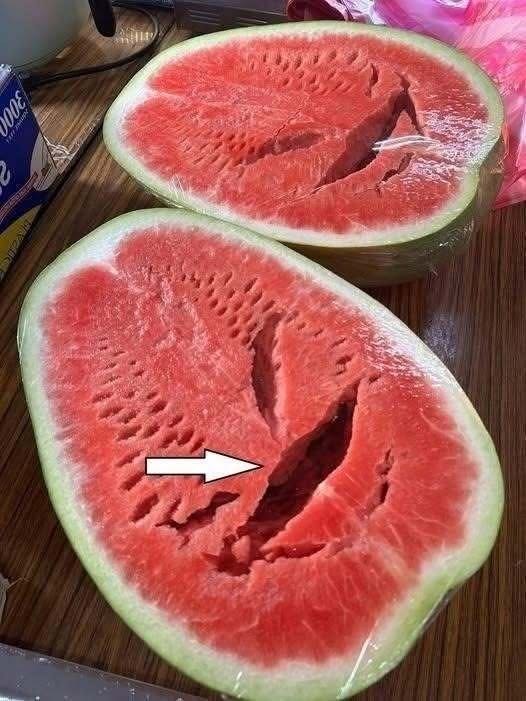
What Internal Cracks in Watermelon Really Mean for Safety and Quality
Why Cracked Watermelon Flesh Can Cause Concern
Cutting into a watermelon and finding deep cracks, hollow spaces, or unusual gaps inside the fruit can be unsettling. For many people, the reaction is immediate concern, especially when they have already seen alarming social media posts claiming that cracked watermelon is linked to chemicals or serious health risks.
The appearance of internal fissures can make an otherwise fresh-looking watermelon seem suspicious. A fruit that appears smooth and normal on the outside may reveal large separations in the flesh once it is sliced open, causing consumers to wonder whether it is still safe to eat.
Despite how unusual these cracks may look, not every watermelon with internal separation is dangerous. In many cases, the cracks are the result of natural growing conditions, handling, ripeness, or environmental stress rather than a sign of contamination.
Understanding why these changes happen can help consumers separate genuine warning signs from cosmetic imperfections. Watermelon is a natural agricultural product, and its appearance can vary depending on how it grew, how it was transported, and how long it remained ripe before being cut.
Natural Causes Behind Internal Watermelon Cracks
One of the most common reasons for internal cracks in watermelon is irregular watering. When a watermelon plant experiences dry conditions and then suddenly receives a large amount of water, the fruit may begin expanding quickly.
This rapid growth can place pressure on the flesh inside the rind. As the fruit enlarges, the internal structure may separate, creating hollow areas or cracks that become visible only after cutting.
Drought followed by heavy watering can be especially influential. During dry periods, growth may slow down, but once water becomes available again, the fruit may resume expansion at a faster pace than its internal tissue can evenly support.
Temperature fluctuations can also affect watermelon development. Shifts between hot and cooler conditions may interfere with consistent growth, leading to changes in texture and structure inside the fruit.
These natural changes do not automatically mean the watermelon is unsafe. They may affect the eating experience, making parts of the fruit softer, less crisp, or unevenly sweet, but they do not by themselves prove that the fruit contains harmful substances.
How Transport and Ripeness Affect the Fruit
Watermelons can also develop internal damage after they are harvested. Because they are large, heavy fruits with a firm outer rind, damage is not always visible from the outside.
A watermelon may be bumped, dropped, pressed under weight, or handled roughly during transport. Even when the rind remains intact, the flesh inside can shift, bruise, or separate.
Overripeness is another important factor. A watermelon that has passed its ideal eating stage may develop a softer texture and internal hollowing. As the fruit continues to age, its flesh may lose firmness and become less appealing.
An overripe watermelon may still have a normal outer appearance. This is why the condition of the fruit after cutting is important when deciding whether it should be eaten.
Minor cracks in a watermelon that smells fresh, feels crisp, and tastes normal are usually not a major concern. However, widespread hollowness combined with signs of spoilage should be taken seriously.
The Chemical Often Mentioned in Online Claims
One chemical frequently discussed in connection with cracked watermelons is chlorfenuron. It is a synthetic plant growth regulator designed to encourage cell division and support faster fruit development.
Because chlorfenuron can stimulate rapid growth, it is sometimes associated with hollow centers or unusual flesh patterns. When fruit expands quickly, its internal structure may not always develop evenly.
This connection has contributed to public concern, especially when images of cracked watermelons are shared online with dramatic warnings. However, the presence of cracks alone does not confirm that chlorfenuron was used.
Internal cracking can happen for several reasons that have nothing to do with chemical treatment. Watering patterns, temperature changes, physical damage, and overripeness can all create similar appearances inside the fruit.
For this reason, judging a watermelon only by the presence of cracks can lead to unnecessary fear. The full condition of the fruit matters more than one visual feature.
Regulations and Safety Questions
Rules surrounding chlorfenuron vary in different parts of the world. Some regions prohibit its use on food crops because of limited long-term safety data, while others allow restricted use under specific guidelines.
This difference in regulation often adds to consumer confusion. A chemical may be treated cautiously in one area while being permitted under controlled conditions elsewhere.
Current scientific evidence about chlorfenuron’s effects on human health remains incomplete. Some animal studies have observed harmful outcomes at very high doses, but clear links between typical dietary exposure and serious illness in humans have not been established.
Because uncertainty remains, public health decisions often take a precautionary approach. When long-term safety information is limited, regulators may choose stricter controls to reduce potential risk.
Even with these concerns, a cracked watermelon should not automatically be treated as a direct health threat. The more immediate and practical concern for most consumers is whether the fruit shows signs of spoilage.
How to Choose a Better Watermelon
Selecting a good watermelon begins before the fruit is cut open. While no method is perfect, several practical signs can help shoppers choose a fresher and better-quality fruit.
A watermelon should feel heavy for its size. Heaviness often suggests that the fruit contains plenty of water, which is important for both texture and flavor.
The ground spot is another helpful clue. A creamy yellow spot on the rind usually shows where the watermelon rested on the ground while ripening.
A firm rind is also important. The surface should feel solid and intact, without soft areas that suggest damage or decay.
A dried stem may indicate that the watermelon ripened on the vine. While this is only one factor, it can be part of an overall assessment when choosing fruit.
These signs do not guarantee that the inside will be perfect, but they can reduce the chance of selecting a poor-quality watermelon. Careful selection is a simple way to avoid disappointment after cutting.
What to Check After Cutting
Once a watermelon is opened, the most useful tools are sight, smell, touch, and taste. Fresh watermelon should have a clean, sweet smell and a refreshing flavor.
The flesh should generally be crisp and moist, not slimy or mushy. Some small internal cracks may be present while the rest of the fruit remains normal.
A watermelon with minor cracks but no unpleasant odor, mold, sliminess, or strange flavor is generally safe to consume. The cracks may affect appearance, but they do not automatically make the fruit dangerous.
On the other hand, warning signs should not be ignored. If the watermelon smells fermented, sour, chemical-like, or unpleasant, it should be discarded.
Slimy texture is another sign that the fruit is no longer suitable to eat. Mold, unusual discoloration, or an off taste should also lead to disposal.
When a fruit shows widespread hollowness together with bad smell or texture, the safest choice is to throw it away. Food safety depends on the overall condition of the produce, not just one internal feature.
Why Spoilage Is a More Common Concern
For most consumers, spoiled produce is a more common issue than exposure to plant growth regulator residues within approved limits. Fruits can deteriorate when they are overripe, damaged, stored poorly, or kept too long after cutting.
Watermelon contains a high amount of water, which makes freshness especially important. Once the fruit begins to spoil, texture and smell can change quickly.
Eating spoiled produce can lead to foodborne illness. This makes proper evaluation after cutting more important than reacting only to online claims about chemicals.
A fruit that looks unusual but smells fresh and tastes normal may still be acceptable. A fruit that looks mostly normal but smells bad or feels slimy should not be eaten.
This common-sense approach helps consumers avoid both unnecessary waste and unnecessary risk. It also reduces anxiety caused by misleading or exaggerated claims.
Understanding Cosmetic Imperfections
Watermelons do not always grow into perfect, uniform fruits. Internal cracks, uneven flesh, and hollow spaces may appear because of natural growth conditions.
These imperfections can look dramatic, especially when the fruit is sliced open for the first time. However, cosmetic flaws are not the same as evidence of danger.
Some cracked watermelons may be less enjoyable to eat because the texture is not ideal. The flesh may be less crisp in some areas, or the sweetness may feel uneven.
Quality and safety are related, but they are not identical. A watermelon can be imperfect in texture while still being safe, just as a visually appealing fruit can still be spoiled if it smells or tastes wrong.
The best decision comes from looking at the complete condition of the fruit. Consumers should consider the appearance, smell, texture, and flavor together.
Making Food Choices Without Fear
Social media posts can make ordinary food imperfections seem frightening. Images of cracked watermelon are often presented without context, causing people to assume the worst.
Fear-based claims can lead consumers to throw away fruit that may still be safe. They can also make normal variations in produce seem like proof of hidden danger.
A better approach is to understand the difference between a harmless imperfection and a true warning sign. Cracks alone are not enough to determine whether a watermelon should be discarded.
When the fruit smells clean, feels fresh, and tastes normal, minor internal cracking is usually not a reason for panic. When the fruit shows signs of spoilage, disposal is the safer decision.
This balanced approach allows people to enjoy watermelon confidently while still paying attention to food safety. Knowledge helps replace fear with practical judgment.
The Bottom Line on Cracked Watermelon
Internal cracks in watermelon can happen naturally because of irregular watering, rapid growth after dry periods, temperature changes, handling damage, or overripeness. These causes can change the fruit’s structure without necessarily making it unsafe.
Chlorfenuron is often mentioned in discussions about cracked watermelon because it can encourage rapid fruit development, but cracks alone do not prove chemical use. Regulations on the substance differ by region, and current evidence on human health effects remains incomplete.
The safest and most practical response is to evaluate the watermelon carefully after cutting. Fresh fruit should smell sweet and clean, feel crisp, and taste refreshing.
If the watermelon has only minor cracks and no signs of spoilage, it is generally safe to eat. If it smells unpleasant, feels slimy, shows mold, or tastes unusual, it should be thrown away.
Watermelon remains a nutritious and hydrating fruit when chosen carefully, handled properly, and judged with common sense. Internal cracks may look alarming, but they are not automatically a sign of danger.