
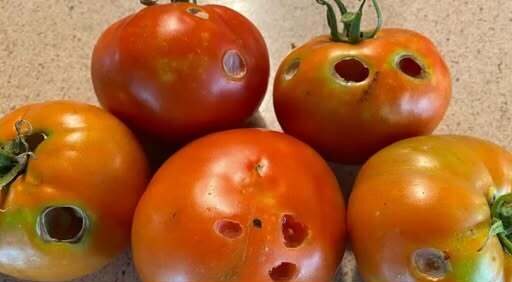
What a Hole in a Tomato Can Tell You About Your Garden
A Small Hole Can Feel Like a Big Warning
You notice it just as you are about to pick the tomato.
The fruit looks ripe, glossy, and almost perfect from one side. Then you turn it slightly and see the small opening in the skin.
For many gardeners, that moment immediately raises questions. Something has clearly damaged the tomato, but it is not always obvious what caused it or whether the fruit can still be used.
A hole in a tomato can look alarming because it suggests that something may have entered the fruit. It may have been an insect, a bird, a squirrel, or even a problem that began with the way the tomato grew.
The important thing is not to panic. A single damaged tomato does not automatically mean the whole garden is ruined.
Instead, the hole should be treated as a sign that the plant and the garden need closer inspection.
Why Tomato Holes Are Usually Not Random
A small hole in a tomato is rarely meaningless.
In many cases, it is evidence that something has been feeding on the fruit. Tomatoes attract many kinds of garden visitors because they are soft, juicy, and easy to damage once they begin to ripen.
Insects are one of the most common reasons holes appear in tomatoes. Some pests chew through the skin and move into the fruit, leaving behind small openings that may be easy to miss at first.
Birds and squirrels can also damage tomatoes by pecking or biting into them. They may not eat the entire fruit, but even one bite can leave a clear mark.
Sometimes the issue begins before any animal or insect arrives. Growth problems can cause cracks, weak spots, or unusual shapes in the tomato. Once the skin is damaged, pests and rot can move in more easily.
That is why a hole should not be judged by appearance alone. It needs to be examined carefully.
Insects Can Turn Tomatoes Into a Feeding Site
When insects are responsible, the hole may be only the first visible clue.
Some insects feed from the outside, leaving chew marks on the surface. Others can create an opening and move deeper into the tomato, where the damage becomes harder to see.
Gardeners often become concerned that something may be living inside the fruit. That concern is understandable because a hole can provide an entry point for insects or their activity.
One useful sign to look for is frass. This is bug waste, and it may appear near the hole or around damaged areas of the fruit.
If frass is present, the tomato has likely been visited or occupied by insects. That does not mean every tomato on the plant is lost, but it does mean the plant deserves attention.
Inspecting nearby tomatoes can help reveal whether the damage is isolated or part of a wider pest problem.
Birds and Squirrels May Be Taste-Testing the Crop
Not every hole comes from insects.
Birds and squirrels can also create small or uneven openings in tomatoes. They may peck, bite, or tear at ripe fruit, especially when tomatoes are easy to reach.
This type of damage can be frustrating because the animal may only take a small taste and then leave the rest behind.
To the gardener, the result looks wasteful. A tomato that was nearly ready to harvest suddenly has a wound that may attract insects, mold, or rot.
Bird and squirrel damage can sometimes appear as larger, rougher openings compared with tiny insect holes. However, the shape of the damage alone may not always give a clear answer.
The best response is to look at the pattern across the garden. If several ripe tomatoes are damaged near exposed areas, animals may be visiting the plants.
Growth Stress Can Open the Door to Damage
Some tomato problems begin with stress rather than pests.
Cracking is one example. When the tomato skin splits, the fruit becomes more vulnerable to insects and decay.
Catfacing can also create unusual shapes and damaged-looking areas on the fruit. These irregularities may weaken the surface and make the tomato easier for pests to attack.
Stress-related problems can be especially confusing because they may not begin as feeding damage. A gardener may see a crack or opening and assume an insect caused it, when the fruit first split because of growth conditions.
Once the tomato is open, however, the cause may become mixed. A crack can invite insects. An insect hole can invite rot. An animal bite can create a soft area where mold appears later.
This is why the full condition of the tomato matters more than the hole alone.
How to Inspect a Damaged Tomato
Before deciding whether to keep or discard a tomato with a hole, slow down and inspect it closely.
Look at the area around the opening. Fresh chew marks, darkened edges, or soft tissue can all provide clues.
Check for frass near the hole or inside damaged portions of the fruit. Its presence suggests insect activity.
Look for mold, sliminess, or a foul texture. These signs indicate that the tomato has started to break down and should not be treated like a normal healthy fruit.
It is also important to look for movement inside the tomato. If anything appears to be alive inside the fruit, the safest decision is to discard it.
A tomato with a clean, shallow surface wound is different from one that is soft, moldy, or actively infested. Careful inspection helps separate minor damage from a larger concern.
When a Tomato Should Be Tossed
Some damaged tomatoes are not worth saving.
If the hole leads to soft, slimy, moldy, or foul-looking tissue, the tomato should be thrown away. The same is true if there is visible movement inside the fruit.
If the tomato appears to have been heavily chewed or contaminated by pests, it is better not to take chances.
Discarding one tomato can feel disappointing, especially after spending weeks caring for the plant. However, removing damaged fruit can help protect the rest of the garden.
Rotting or fallen tomatoes can attract more pests. If damaged fruit is left on the plant or on the ground, it may encourage insects and animals to return.
Throwing away a badly damaged tomato is not a failure. It is part of keeping the garden clean and healthy.
Protecting Tomatoes From Birds and Squirrels
Once animal damage is suspected, physical protection can make a major difference.
Netting can help keep birds and squirrels away from ripening tomatoes. Garden fabric can also be used as a barrier, depending on how the plants are arranged.
The goal is to make the fruit less accessible without harming the plant. Tomatoes still need air, light, and space to grow properly.
Protective coverings are especially useful when fruit begins to ripen. That is often when animals become more interested in the crop.
If tomatoes are being damaged repeatedly, covering the plants may prevent the same problem from happening again and again.
A barrier does not erase past damage, but it can protect the next round of fruit.
Regular Plant Checks Can Stop Problems Early
Tomato plants benefit from frequent inspection.
Checking the plants regularly allows gardeners to spot small holes, chew marks, cracks, and fallen fruit before the situation spreads.
A quick look at the leaves, stems, and fruit can reveal whether pests are active. Damaged fruit can be removed before it attracts more trouble.
Regular checks also help gardeners notice patterns. If damage appears only on fruit near the outside of the plant, animals may be responsible. If small holes appear across several tomatoes, insects may be the issue.
Early action is important because garden problems often become harder to control when ignored.
A few minutes of inspection can save healthy tomatoes from becoming the next target.
Companion Planting Can Support Garden Defense
Some gardeners use companion planting as part of their tomato care routine.
Basil and marigolds are common companion plants used near tomatoes. They can add another layer of garden support while also improving the overall planting area.
Companion planting should not be seen as a complete solution by itself. It works best when combined with other habits, such as regular inspection, proper watering, and cleanup.
The value of companion planting is that it encourages a more balanced garden environment. It can be one piece of a broader plan to reduce pest pressure.
When tomato damage appears, gardeners should still examine the fruit and plants carefully. Companion plants do not replace the need to inspect holes, chew marks, or signs of rot.
They simply become part of a more thoughtful approach to keeping tomatoes healthier.
Even Watering Helps Prevent Weak Spots
Watering plays an important role in tomato health.
Uneven watering can contribute to splits and weak areas in the fruit. Once the skin cracks, pests and rot have an easier path inside.
Even watering helps reduce the chance of those stress-related openings. It supports steadier growth and can make the fruit less vulnerable to damage.
This does not mean watering alone will prevent every hole. Insects, birds, and squirrels may still cause problems.
However, healthy fruit with fewer cracks gives pests fewer easy entry points.
Good watering habits are one of the simplest ways to reduce avoidable tomato damage.
Garden Cleanup Matters More Than It Seems
Fallen fruit and plant debris can become an invitation for pests.
When damaged tomatoes are left on the ground, they may attract insects and animals. The garden can quickly become a feeding area rather than a growing space.
Cleaning up fallen tomatoes helps break that cycle. It removes food sources that could encourage pests to stay nearby.
Debris around the plants can also create hiding places. Keeping the area tidy makes it easier to inspect the plants and notice new damage.
Cleanup is not dramatic, but it is effective. It reduces the chances that pests will settle in and continue attacking the crop.
A clean garden gives tomatoes a better chance to stay healthy through the growing season.
A Holey Tomato Does Not Mean You Failed
Finding a hole in a tomato can be discouraging, but it does not mean the garden is doomed.
Tomatoes grow in an open environment where insects, animals, weather, and plant stress all interact. Some damage is part of the reality of gardening.
The key is learning how to read the signs. A hole can tell you that insects may be active. It can suggest that birds or squirrels are visiting. It can also point to cracks or weak spots caused by growth stress.
Once you understand what the damage might mean, you can respond with more confidence.
Inspect the fruit, remove anything that is unsafe or badly damaged, protect the plants when needed, and keep the garden clean.
A hole in a tomato is not just a problem. It is information.
Listening to What the Garden Is Telling You
Every damaged tomato gives the gardener a chance to learn.
Instead of simply tossing the fruit and moving on, it helps to pause and examine what happened. The shape of the hole, the condition of the fruit, and the pattern of damage across the plant can all offer clues.
That small opening may reveal insects, animal activity, or stress in the way the tomato developed.
With that information, the next steps become clearer. Netting, garden fabric, regular checks, companion planting, even watering, and cleanup can all help reduce future damage.
A holey tomato may be unpleasant to find, but it does not have to leave the gardener helpless.
It is a warning sign, a clue, and a reminder that the garden is always changing. Once you know how to listen, you are better prepared to protect the tomatoes still growing on the vine.