
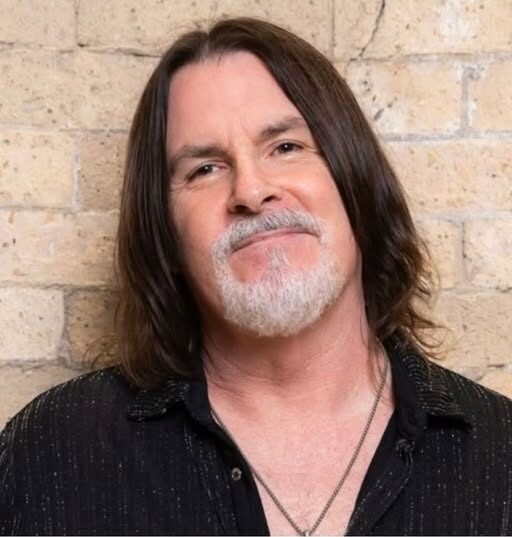
Tommy DeCarlo, Boston Frontman Who Rose From Fan Tributes, Dies At 60
A Voice Connected To A Legendary Rock Legacy Falls Silent
The news of Tommy DeCarlo’s death arrived with the weight of a final chord, bringing sorrow to fans who had followed one of rock music’s most unexpected journeys.
DeCarlo, who became known to millions after stepping from an ordinary life into the role of lead singer for the legendary rock band Boston, has died at the age of 60.
His passing came after a brain cancer diagnosis in September, a private family struggle that ended with loved ones asking for space as they mourn.
For many listeners, DeCarlo represented more than a replacement voice in a famous band. He represented the rare possibility that devotion, timing, and talent could change the course of a life.
He was once an anonymous credit manager, a man with a regular job and a deep love for the songs of Boston. Years later, he would stand on major stages and sing those same songs before crowds who never expected the band’s sound to live again in that way.
From Ordinary Life To An Extraordinary Stage
Before the music world knew his name, Tommy DeCarlo was living far from the spotlight.
He was not introduced to fans through a major record deal, a long promotional campaign, or a polished industry launch. His story began in a much quieter place, with a regular working life and a personal passion for the music that had moved him for years.
DeCarlo worked as a credit manager, a role that had little connection to the loud arenas and soaring guitar lines associated with Boston’s catalog.
In his spare time, he sang the songs he loved. Those performances were not originally meant to make him famous. They came from admiration, grief, and a sincere connection to the music.
That sincerity would eventually change everything.
At a time when many fans were mourning the death of Brad Delp, DeCarlo recorded tribute performances and uploaded them online. They were heartfelt, direct, and emotionally charged.
What made those tributes stand out was not simply that he could sing the songs. It was the feeling behind them. DeCarlo sounded like someone who understood what the music meant to people because it meant just as much to him.
Tributes That Reached The Right Ears
DeCarlo’s uploaded performances began as an act of respect toward Brad Delp and the music of Boston.
They were not presented as a calculated attempt to win a place in the band. They came from a fan processing loss through song, using his voice to honor an artist whose work had clearly shaped him.
Those recordings eventually reached Boston founder Tom Scholz.
Scholz heard something that went beyond imitation. In DeCarlo’s voice, he heard a connection to the emotional and musical identity of the band.
That discovery led to an invitation, and the invitation led to an audition. What began as a tribute from a fan became the beginning of a new chapter for one of rock’s most recognizable names.
For DeCarlo, the path was almost unbelievable. One moment he was singing Boston songs in private life, far away from the machinery of the music industry. The next, he was being considered for the role of singing those songs with the band itself.
It was the kind of story that sounded unlikely even after it became true.
Carrying Boston’s Catalog With Respect
Once DeCarlo joined Boston, he stepped into a role that came with enormous pressure.
Boston’s songs were not casual sing-alongs for longtime fans. They were anthems tied to memories, youth, loss, and decades of emotional attachment.
Brad Delp’s voice had become inseparable from the band’s identity. Anyone stepping into that position would face immediate comparison, intense expectations, and the challenge of honoring a sound that listeners considered sacred.
DeCarlo approached that responsibility with humility.
He did not appear to treat the opportunity as a chance to erase the past or claim ownership over something fans already loved. Instead, he became part of a continuation, giving audiences a way to hear beloved songs performed live while preserving the spirit that had made them matter.
Onstage, he carried Boston’s towering catalog with energy and care.
His voice allowed fans to experience the band’s music in a way that felt alive again. For many, that was the impossible gift he gave them: the feeling that Boston had not been locked permanently in memory.
A Fan Who Became Part Of The Story
DeCarlo’s rise stood apart because it blurred the line between audience and artist.
Most fans listen from the crowd, holding onto songs that define moments in their lives. DeCarlo began there too. He loved the music before he was ever invited to perform it.
That background shaped the way many people saw him.
He was not simply a vocalist hired to fill a position. He was someone who had once stood emotionally where the fans stood. He knew what the songs meant from the outside before he was asked to carry them from the inside.
That made his journey unusually personal for listeners.
His story suggested that musical devotion could become something larger than admiration. In his case, a fan’s heartfelt tribute opened a door to the very stage he had once only imagined.
For more than a decade, DeCarlo helped keep Boston’s music present before live audiences.
He gave longtime listeners a bridge between the band’s history and its continued performances. He also introduced newer listeners to songs that had already traveled through generations.
A Career Marked By Humility And Fire
Those who followed DeCarlo’s time with Boston often saw two qualities working together in his performances: humility and fire.
The humility came from understanding the legacy he had joined. He appeared aware that he was stepping into music with deep emotional weight for millions of people.
The fire came from the way he performed.
Boston’s music required range, strength, and stamina. It demanded a voice capable of reaching high, sustained moments without losing feeling. DeCarlo brought intensity to that task while maintaining the sense that he was honoring something larger than himself.
That balance helped him establish his own place in the band’s history.
He did not become important because he replaced what came before. He became important because he helped carry it forward during a period when many fans feared that chapter might have closed forever.
His presence gave concerts a sense of continuity.
Each performance reminded audiences that music can survive through new voices when those voices approach the material with respect and emotional truth.
A Private Illness And A Family In Mourning
DeCarlo’s death followed a brain cancer diagnosis in September.
The diagnosis brought a sudden and painful turn to a life that had already been defined by dramatic change. This time, however, the struggle was not public triumph but private suffering.
His family asked for privacy as they grieved.
That request reflects the personal side of a loss being felt by many people who never knew him directly. To fans, DeCarlo was a voice, a presence, and a symbol. To his family, he was something much deeper and more intimate.
Annie, Talia, and Tommy Jr. now mourn the loss of a husband and father away from the noise of public attention.
While fans share memories and sadness, the center of the grief belongs to those closest to him. Their loss is not only tied to music, stages, or public recognition. It is tied to everyday life, family bonds, and the absence of someone loved.
Why His Story Resonated So Deeply
Part of the power of DeCarlo’s story came from how unlikely it was.
He was not presented as someone raised from childhood to be a rock star. He was not known first as a celebrity, a chart-topping solo act, or a figure shaped by fame.
He was a working man who loved a band, sang its songs, and shared tributes from the heart.
That simple beginning made his rise feel human and reachable. It gave fans a story that seemed almost impossible, yet grounded in ordinary emotion.
Many people dream of being noticed for something they do quietly and sincerely. DeCarlo lived a version of that dream in a way that felt both extraordinary and deeply personal.
His journey also carried a sense of healing.
After Brad Delp’s death, Boston’s future carried sadness and uncertainty for fans. DeCarlo’s arrival did not erase that grief, but it offered a way for the music to continue being shared.
In doing so, he became part of the band’s ongoing emotional life.
Remembered As More Than A Voice
Tommy DeCarlo will be remembered for his voice, but his legacy extends beyond vocal ability.
He will be remembered as the fan who stepped into history without losing the humility of where he came from.
He will be remembered as the credit manager whose online tributes reached the founder of Boston and changed the direction of his life.
He will be remembered as the singer who honored Brad Delp while building his own place in the story of a legendary band.
He will also be remembered as someone who gave fans another chance to hear the songs they loved performed with conviction, strength, and respect.
That is why his death has touched so many people.
For listeners, DeCarlo’s life became proof that music can create unlikely connections. A song sung in grief reached someone who understood its meaning, and from that moment, an ordinary man became part of a rock legacy.
A Final Note In Boston’s Continuing Memory
Tommy DeCarlo’s passing at 60 closes a remarkable chapter.
His life in music began in devotion and grew into performance before crowds who embraced him as part of Boston’s later story.
He entered the band through tribute, stayed through dedication, and left behind a memory shaped by both talent and sincerity.
For more than a decade, he helped audiences feel that the music still breathed. He stood before fans not as someone trying to rewrite history, but as someone helping preserve its emotional power.
Now the voice that once carried those songs across arenas is silent.
Yet the meaning of his journey remains clear. Tommy DeCarlo began as a fan singing the music of his heroes. Against all expectations, he became one of the people entrusted to keep that music alive.
For his family, the loss is personal and profound. For fans, it is the end of a story that felt almost too rare to be real.
He leaves behind the memory of an ordinary man who dared to sing with extraordinary heart, and who, through that heart, became part of the music he loved.