
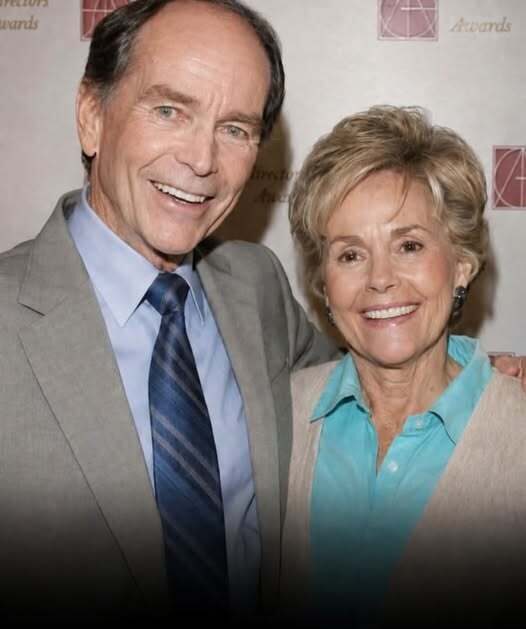
Lory Patrick’s Journey From Rejection to a Life of Purpose
A Cruel Remark That Changed Her Direction
The words were sharp enough to wound, but their timing made them even more powerful. In New York, producer Lory Patrick faced a dismissal that might have crushed a less determined performer.
A producer laughed at her and told her, “Pretty girls can’t act.” The insult reduced her ambition to appearance and suggested there was no room for her talent before she had even been given a fair chance.
For many young performers, a moment like that could have become the end of the road. It could have sent her back into doubt, silence, or resignation.
For Patrick, it became the beginning of a new chapter. Instead of accepting the judgment, she treated it as a challenge and made a decision that would redirect her entire life.
She packed her bags and left for Los Angeles. Within days, she began proving that the limitation placed on her did not belong to her at all.
Refusing to Be Defined by Someone Else’s Doubt
Lory Patrick’s career became a steady answer to the doors that closed in front of her. The rejection she faced in New York did not erase her ambition; it sharpened it.
Her move to Los Angeles placed her closer to the center of television production during a period when the medium was helping shape American entertainment. It was a world of studio lots, casting calls, scripts, and long workdays, but also a world where women often had to fight to be taken seriously.
Patrick entered that world at a time when many women were expected to remain agreeable, quiet, and secondary. She chose a different path.
She did not simply pursue visibility. She pursued meaningful work, creative independence, and a place in rooms where her voice mattered.
The insult she received in New York had been based on a narrow assumption. Her career would show something far broader: beauty did not cancel talent, and confidence did not require permission.
A Career Built Across 1960s Television
Lory Patrick’s professional life unfolded across the bright and busy world of 1960s television. Her work reached audiences through a range of programs that helped define the era.
She appeared in more than 70 television episodes, a body of work that reflected persistence as much as opportunity. Each role added to a career shaped not by sudden fame alone, but by steady presence and professional discipline.
Television in that period demanded adaptability from actors. Performers moved between dramas, westerns, family programs, and anthology-style productions, often carrying different tones and expectations from one set to another.
Patrick proved she could navigate that landscape. Her screen appearances placed her within a generation of television performers who helped build the weekly stories audiences welcomed into their homes.
Her name became connected to shows including The Loretta Young Show, Bonanza, and Wagon Train. These programs belonged to a television era remembered for its strong characters, moral conflicts, and broad national reach.
Her presence in those productions showed that she had not only reached Los Angeles, but had earned work in the very industry that someone had tried to tell her she could not enter fully.
More Than an Actress
Patrick’s story did not stop with acting. She also stepped behind the camera and into the creative process as a writer.
That part of her career carried special weight. She wrote for Bonanza during a period when few women were welcomed into writers’ rooms.
The importance of that achievement was not merely professional. It reflected the larger challenge women faced in entertainment, where their work was often welcomed on screen more readily than on the page or in decision-making spaces.
Writing for a major television program required more than imagination. It demanded structure, discipline, an understanding of character, and the ability to contribute to an established world that audiences already knew.
Patrick’s work as a writer showed that her creative ability was not limited to performance. She could help shape stories, not simply appear in them.
In doing so, she occupied both sides of the camera at a time when that kind of movement was far less common for women. Her career became a quiet but meaningful example of artistic range.
Claiming Space in a Difficult Era
The entertainment world of Patrick’s time offered glamour, but it also carried rigid expectations. Women were often judged first by appearance, then by age, and only afterward by ability.
The remark she heard in New York reflected that culture. It suggested that a woman could be dismissed not because she lacked skill, but because someone had already decided what she represented.
Patrick’s response was not loud rebellion. It was work.
She answered through auditions, performances, scripts, discipline, and endurance. Her career became proof that being underestimated did not have to become a final verdict.
Her achievements were not presented as a campaign for fame. They formed a life built through persistence, adaptability, and purpose.
That made her legacy different from one measured only in celebrity. Her story carried the weight of someone who kept moving forward without letting bitterness define her.
A Life Beyond Studio Lots
Though her professional accomplishments were significant, Patrick did not allow fame to become the center of her identity. Her life expanded beyond television and into marriage, faith, family, service, and writing.
She married Disney star Dean Jones, beginning a partnership that lasted 42 years. Their marriage became an important part of her life story, rooted in shared values and a commitment that endured across decades.
The length of that partnership reflected more than public image. It pointed to a private life shaped by loyalty, belief, and stability.
As time passed, Patrick gradually moved away from the constant demands of studio work. The world that had once been defined by sets and scripts gave way to a different kind of calling.
She turned more deeply toward ministry, family, and the written word. That shift did not erase her earlier career; it added new meaning to it.
Her life became less about being seen and more about serving, guiding, and leaving behind something lasting.
Faith as a Guiding Force
Faith became one of the central themes of Patrick’s later years. It influenced how she lived, how she served, and how she understood purpose.
Her book Hearing God reflected that part of her journey. Through writing, she shared a perspective shaped by belief, experience, and a desire to encourage others.
The title itself pointed toward a life attentive to spiritual direction. For Patrick, faith was not presented as a passing interest, but as a foundation.
Her work in ministry showed a movement away from the pursuit of applause and toward a life measured by impact. She became known not only for what she had done on screen, but also for the lives she touched away from it.
That transition gave her story a quieter strength. It showed that reinvention did not always mean chasing a larger spotlight; sometimes it meant stepping into a deeper purpose.
A Marriage Rooted in Service
Patrick’s marriage to Dean Jones stood as one of the defining relationships of her life. Their 42-year partnership connected two people whose lives were shaped by performance, belief, and service.
Jones was widely known through his Disney work, while Patrick brought her own history as an actress, writer, and woman of conviction. Together, they built a life that extended beyond entertainment.
Their relationship was described as rooted in faith and service. That foundation helped frame the later chapters of Patrick’s life, especially as she became increasingly connected to ministry and family.
In a profession often marked by instability, their long partnership became part of her enduring legacy. It suggested a life not only of ambition, but of commitment.
Patrick’s public work may have introduced her to audiences, but her private choices revealed the values that sustained her. She did not simply build a career; she built a life.
Choosing Purpose Over Fame
Fame can define many careers in entertainment, but Patrick appeared to move through it without surrendering herself to it. Her work mattered, yet it did not become her only measure of worth.
She had acted in notable programs, written for a major television series, and proved wrong those who doubted her ability. Still, she gradually chose paths that placed purpose above visibility.
That choice gave her life a distinctive shape. She was not remembered only as someone who appeared on television, but as someone who continued to grow after the cameras were no longer central.
Her later years showed a woman whose courage had matured. The fire that once pushed her from New York to Los Angeles became a steadier light, expressed through faith, family, and writing.
That evolution made her story more complete. It was not only about overcoming rejection; it was about becoming someone whose life could not be reduced to a single profession or public image.
A Legacy of Resilience
Lory Patrick’s legacy rests on more than the number of episodes in which she appeared or the programs connected to her name. Those facts matter, but they are only part of the larger story.
Her life represented resilience in a form that was both determined and quiet. She faced dismissal, moved forward, created opportunities, and later devoted herself to values beyond entertainment.
The insult that once tried to limit her became one of the earliest markers in a story of persistence. It was not the final word.
Her work on screen showed talent. Her writing showed creative authority. Her marriage showed commitment. Her ministry and book showed spiritual purpose.
Together, those pieces formed the portrait of a woman who refused to be defined by someone else’s shallow judgment.
She left behind a story that speaks to anyone who has been underestimated. Patrick’s life showed that a cruel remark can wound, but it does not have to decide the future.
Remembered With Love in Gettysburg
In Gettysburg, surrounded by family, Lory Patrick departed from the world as she had lived in it: steadfast, purposeful, and deeply loved.
Her final chapter reflected the same qualities that had shaped her journey from the beginning. She had known rejection, reinvention, creative work, lasting partnership, and spiritual service.
Her path began with a door slammed in her face and continued through television sets, writers’ rooms, marriage, ministry, and authorship. Across each stage, she carried a sense of direction that outlasted the judgments of others.
The producer who once told her, “Pretty girls can’t act.” saw only a surface and missed the strength beneath it. Patrick’s life became the answer to that mistake.
She proved that talent can survive insult, that purpose can grow beyond fame, and that a meaningful legacy is built not only through public achievement but through the lives touched along the way.
Lory Patrick’s story remains one of resilience, quiet courage, and enduring grace. It is the story of a woman who did not let one brutal sentence become the boundary of her life.