
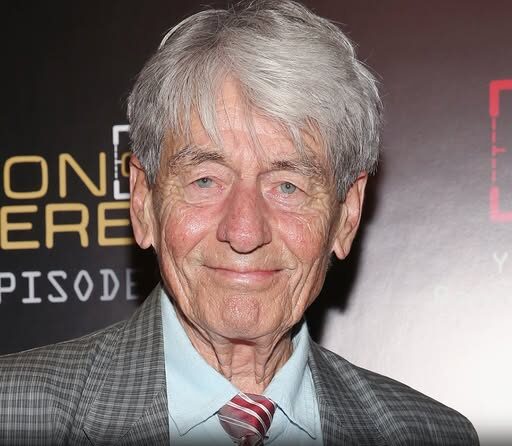
John Nolan, Veteran British Actor and Christopher Nolan’s Uncle, Dies at 87
A long career across stage, film, and television
John Nolan, a veteran British actor with a career that stretched across stage, film, and television, has died at the age of 87. His passing marks the end of a long professional life that connected classical theater, British television, Hollywood productions, and later international recognition through high-profile screen roles.
Nolan was widely known to audiences for his appearances in projects connected to his nephews, filmmakers Christopher Nolan and Jonathan Nolan. Over the years, he became a recognizable presence in several of their productions, contributing supporting performances that added familiarity and continuity to their work.
His death was announced after he died Saturday. He leaves behind a body of work that covered decades of performance in multiple formats, from major stage productions to television dramas and feature films.
Memorable roles in Christopher Nolan’s films
Among moviegoers, John Nolan was especially familiar for his appearances in Christopher Nolan’s films. He played Douglas Fredericks, a board member at Wayne Enterprises, in Batman Begins in 2005 and returned in the same role in The Dark Knight Rises in 2012.
Though the role was not among the most prominent in the films, it placed him inside one of the most widely viewed film trilogies of its era. His appearances helped make him recognizable to audiences far beyond the United Kingdom.
He also appeared in Following, the 1998 feature that marked an early stage in Christopher Nolan’s directing career. Years later, he was part of Dunkirk in 2017, another major film directed by his nephew.
These performances reflected his close creative connection to a family deeply involved in filmmaking. They also showed how his career continued to evolve across different periods of British and international cinema.
A standout television role in Person of Interest
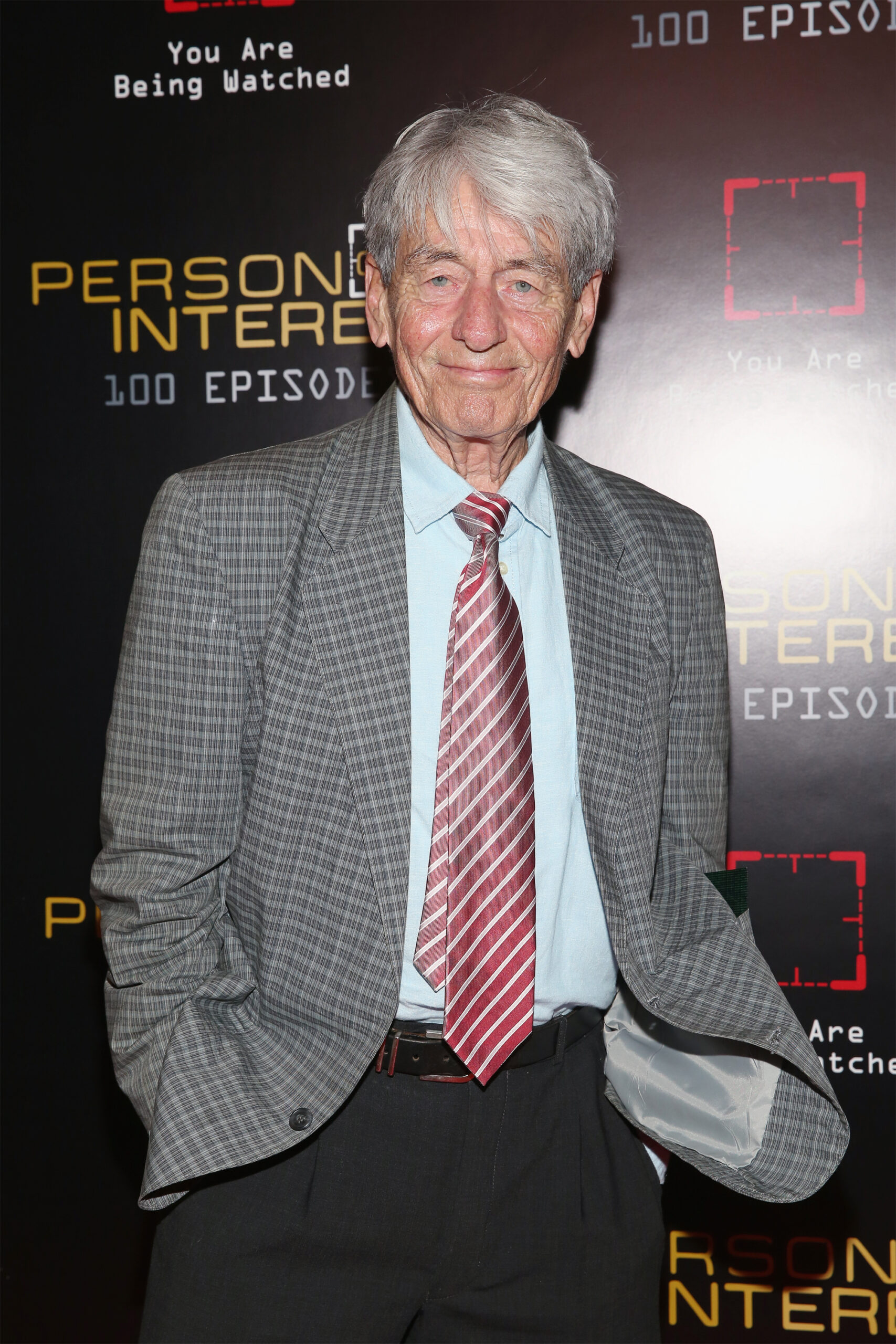
For television audiences, Nolan became especially well known in 2013 when he joined Person of Interest, the CBS series created by Jonathan Nolan. In the show, he portrayed John Greer, a former MI6 agent who becomes the leader of Decima Technologies and a central figure behind the Samaritan A.I.
The role introduced him to a new generation of viewers and gave him one of the most memorable characters of his later career. Greer was presented as calm, controlled, and deeply strategic, making Nolan’s performance a defining part of the series’ later seasons.
His work on Person of Interest stood out because it combined intelligence, restraint, and menace without exaggeration. That performance demonstrated the same discipline that had shaped his earlier work in theater and television.
For many viewers, Greer became the role most strongly associated with John Nolan’s name. It was a late-career part, but one that gave him broad recognition at an international level.
Born in London and trained for the stage
John Nolan was born on May 22, 1938, in London. His professional path began with formal training at Drama Centre London, a foundation that prepared him for a career rooted first in live performance.
Like many actors of his generation, he developed his craft through theater before becoming a familiar face on screen. Early in his career, he toured with an Irish theater company and gained experience through stage performance at a time when live acting remained central to artistic training.
One of his early notable stage appearances came when he performed as Romeo opposite Francesca Annis at Richmond Theatre. The role reflected both his classical grounding and the type of demanding performance opportunities that shaped young actors during that period.
These early years established Nolan as a serious performer with strong theatrical discipline. That training would remain visible throughout the rest of his career, even as he moved between television and film.
Work with major British theater companies
Nolan later joined the Royal Court Company, continuing to build his reputation within respected British theater circles. He then spent two years with the Royal Shakespeare Company, one of the most significant institutions in British stage performance.
During that period, he appeared in productions of Julius Caesar, The Merry Wives of Windsor and The Relapse. Those productions placed him within a demanding repertory tradition and connected him to a rich classical performance legacy.
His stage work gave him a breadth of experience that would support the rest of his acting life. Even when audiences later came to know him through film and television, the structure and precision of his theater background remained clear in his performances.
That movement from stage to screen was a common path for many actors of his generation, but Nolan’s career showed uncommon range and durability. He was able to sustain meaningful work across mediums without losing the qualities that first defined him as a performer.
The television role that helped launch his screen career
His breakout screen role came in the 1970 BBC miniseries Daniel Deronda, where he played the title character. The part gave him a major opportunity in television and helped bring his work to a much wider audience.
That performance played an important role in launching his television career. It marked a transition from stage-based recognition to visibility on screen, opening the door to future roles in British drama.
Once that breakthrough arrived, Nolan continued to build a steady and varied screen presence. He became part of the familiar professional landscape of British television, moving between dramas and character parts while maintaining consistent work.
The success of Daniel Deronda demonstrated that he could carry a major dramatic role on screen as effectively as he had handled his stage work. It became one of the foundation stones of his screen career.
Continuing work in British television and film
After that early success, Nolan starred in the BBC drama Doomwatch as scientist George Harcastle. He also appeared in ITV’s Shabby Tiger, continuing to expand his presence in television drama.
His screen work extended into feature films as well. His film credits included Bequest to the Nation in 1973, Terror in 1978, and The World Is Full of Married Men in 1979.
Television viewers also saw him in productions such as The Prisoner, General Hospital, and Silent Witness. These appearances reflected a career built not on a single defining decade, but on continued professional activity over many years.
That kind of longevity is often one of the clearest signs of a respected character actor. Nolan’s career was not limited to one genre, one style, or one period, and that flexibility allowed him to remain active across changing eras of entertainment.
A voice recognized beyond the screen
John Nolan’s work also reached audiences in another way: through his voice. He was featured on international airlines as the voice of Discovery Channel’s in-flight entertainment.
That role brought his voice to travelers around the world, adding another dimension to a career already shaped by theater, film, and television. While less visible than his acting roles, it showed the breadth of his professional work.
Voice performance requires a different kind of control from stage and screen acting. Nolan’s involvement in that work reflected the same polished delivery and clarity that had marked his other performances.
It was one more example of how his career extended into many corners of the industry, often reaching audiences who may not have immediately recognized the face but knew the presence.
Creative work behind the scenes
Beyond acting, Nolan also worked as a writer. In the early 1980s, he co-wrote and starred in a Dostoyevsky trilogy for the Bristol New Vic company.
That work highlighted another side of his creative life. It showed that his contributions were not limited to performing roles written by others, but also included helping shape material for the stage himself.
The combination of writing and acting reflected a deeper engagement with dramatic storytelling. It also linked back to the literary and theatrical traditions that had formed the earliest part of his career.
For actors with long experience in theater, creative work behind the scenes often grows naturally from years spent interpreting text and character. Nolan’s involvement in the Dostoyevsky trilogy was an example of that broader artistic commitment.
Family, legacy, and lasting impact
John Nolan is survived by his wife, actor Kim Hartman, their children Miranda and Tom, and grandchildren Dylan and Kara. His family life remained closely connected to the performing arts, and his professional legacy now sits alongside those personal ties.
He also leaves behind a lasting connection to one of the most recognized filmmaking families in modern cinema. His appearances in the work of Christopher and Jonathan Nolan created a bridge between generations of performers and storytellers.
Yet his career stands on its own as well. Long before later audiences associated him with major films or prestige television, he had already built a substantial life in theater and British screen acting.
His professional journey moved from London training rooms to respected theater companies, from early television drama to internationally known film franchises, and from classical stage work to modern screen villainy. Few careers travel across that much ground while remaining so steady in purpose.
John Nolan’s death closes a chapter on a distinctive career that touched stage, film, television, and voice work. He leaves behind performances that spanned generations, mediums, and audiences, securing his place as a familiar and enduring figure in British and international acting.