
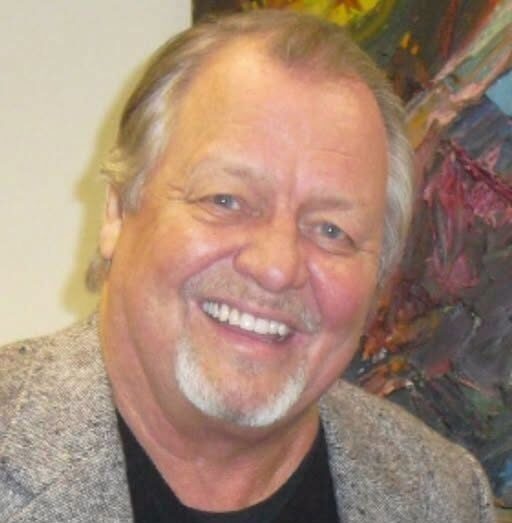
David Soul’s Wife Shared His Final Hours After the “Starsky and Hutch” Star’s Death at 80
The Actor Remembered as Detective Ken “Hutch” Hutchinson Built a Career That Reached Far Beyond One Iconic Television Role
For millions of television viewers, David Soul will always be remembered as Detective Ken “Hutch” Hutchinson, the calm and dependable officer at the center of the hit 1970s series “Starsky and Hutch.”
With his blond hair, understated confidence, and natural screen presence, Soul became one of the most recognizable television stars of his generation.
His partnership with Paul Michael Glaser helped turn the crime drama into a defining series of its era. Together, they brought warmth, humor, and emotional depth to a show built around fast cars, dangerous investigations, and the loyalty between two police partners.
Yet Soul’s life and career extended far beyond the role that made him famous.
Over the decades, he continued working across television, film, music, and the stage, repeatedly proving that he was more than a familiar face from one celebrated series.
A Television Character That Became Part of Popular Culture
“Starsky and Hutch” placed Soul at the center of one of television’s most memorable partnerships.
As Hutch, he portrayed a thoughtful and steady detective whose personality balanced the energy of his partner, Dave Starsky.
The pair raced through fictional city streets in a red-and-white Ford Gran Torino that became nearly as famous as the actors themselves.
The show’s appeal came not only from its action but also from the friendship between its two lead characters.
Viewers connected with the sense of trust between Starsky and Hutch, and Soul’s restrained performance helped give the series an emotional foundation that endured long after its original run.
For many fans, he came to represent a particular kind of television hero: composed, loyal, and quietly determined.
A Career That Continued to Evolve
Although Hutch remained his best-known role, Soul refused to let one character define the entirety of his professional life.
He appeared in major film and television productions before and after the series, taking on roles that allowed him to explore different styles and genres.
His screen credits included “Magnum Force,” where he appeared alongside Clint Eastwood in the crime thriller.
He also made appearances in long-running television programs such as “Murder, She Wrote,” continuing to work in familiar and widely watched productions.
Soul’s later career demonstrated his willingness to step outside the image that had made him a household name.
Rather than relying entirely on nostalgia, he pursued parts that challenged audiences to see him differently.
From Television Drama to the Stage
Soul also developed a substantial connection to live theater.
His stage work included a role in “Jerry Springer: The Opera,” a production known for its unconventional subject matter and demanding performances.
The appearance reflected his interest in taking creative risks and exploring work far removed from traditional television drama.
Stage acting required a different kind of discipline, with performances unfolding live in front of an audience rather than through repeated takes and edited scenes.
Soul embraced that challenge and continued expanding the range of his career.
His willingness to move between television, cinema, music, and theater became one of the clearest signs of his versatility.
Large-Scale Productions and International Work
Soul also appeared in expansive television projects, including “Secret of the Sahara.”
Productions of that scale allowed him to take part in stories that moved beyond the familiar settings of American crime television.
His later work helped reinforce the idea that his career could not be reduced to one decade or one role.
He continued performing long after “Starsky and Hutch” ended, remaining connected to audiences while building a body of work that reflected persistence and reinvention.
Even when public attention remained focused on Hutch, Soul kept seeking new creative opportunities.
The Private Struggles Behind a Public Career
Like many performers whose work became part of popular culture, Soul lived with a divide between his public image and his private life.
To viewers, he remained the trusted detective whose calm presence helped anchor a beloved television series.
Behind that familiar image was a man who experienced personal challenges, changing circumstances, and the pressures of a long career in the public eye.
His later years were marked by health difficulties that were not always visible to the audiences who continued to remember him through reruns and classic television appearances.
The full extent of those struggles became more apparent only after his death.
His Wife’s Statement Announced the Loss
On January 5, 2024, Soul’s wife, Helen Snell, announced that he had died the previous day.
He was 80 years old.
Her statement was brief, personal, and deeply emotional.
She said that her husband had died after “a valiant battle for life,” surrounded by the people who loved him.
The words offered a quiet glimpse into the seriousness of his final period without turning his death into a public spectacle.
There was no elaborate description of his final moments and no attempt to dramatize the family’s grief.
Instead, the statement focused on love, courage, and the presence of family during his final hours.
“A Valiant Battle for Life”
The phrase used by Snell carried particular emotional weight.
“A valiant battle for life” suggested a difficult and sustained struggle, one that Soul and those closest to him had faced largely outside public view.
For fans, the statement revealed that the actor’s final chapter had involved more hardship than many realized.
It also reflected the dignity with which his family chose to describe his passing.
Rather than focusing on illness alone, Snell’s words emphasized determination and courage.
The statement presented Soul not only as a famous actor but also as a husband, father, and loved one whose final days were shared with the people closest to him.
A Quiet Goodbye
Soul’s death did not arrive with the kind of dramatic conclusion associated with his television career.
There was no final chase, no heroic speech, and no carefully written closing scene.
His life ended privately, surrounded by family and affection.
That contrast made the announcement especially moving.
The man known for playing a heroic detective left the world not as a television character, but as a person whose family stood beside him through a difficult final struggle.
His wife’s statement gave fans only a small window into those last hours, but it was enough to reveal the love and pain surrounding his departure.
Fans Remembered More Than a Television Star
News of Soul’s death prompted an outpouring of memories from viewers who had followed his work for decades.
Many remembered watching “Starsky and Hutch” during its original run, while younger audiences discovered the series through later broadcasts and home releases.
His portrayal of Hutch remained central to those tributes, but fans also reflected on his broader career.
They remembered his film appearances, guest roles, stage performances, and willingness to keep working beyond the height of his television fame.
For longtime admirers, Soul represented a period when television characters became weekly companions in people’s homes.
His death felt personal to viewers who had known his face and voice for much of their lives.
The Enduring Power of Starsky and Hutch
Decades after the original series ended, “Starsky and Hutch” continued to hold a special place in television history.
The show combined police drama with humor, action, and a strong emotional bond between its central characters.
Soul’s performance was essential to that balance.
Hutch was not portrayed as a loud or exaggerated hero. His strength often came through restraint, intelligence, and loyalty.
That quality helped distinguish the character and contributed to the show’s long-lasting appeal.
The chemistry between Soul and Glaser gave audiences a partnership that felt genuine, making the series more memorable than a typical weekly crime drama.
A Legacy Built on Reinvention
Soul’s legacy rests on more than the enduring popularity of one television role.
His career showed a consistent desire to evolve.
He moved between formats, accepted unusual projects, and continued working in different creative environments.
That willingness to reinvent himself prevented his career from becoming entirely trapped in the past.
Even when Hutch remained the character most closely connected to his name, Soul continued proving that he had more to offer.
His work across multiple decades reflected resilience and a refusal to disappear once the first wave of fame had passed.
The Man Behind the Familiar Image
Public figures often become inseparable from the roles that brought them fame.
For Soul, the image of the blond detective behind the wheel of the Gran Torino became a permanent part of popular culture.
Yet his wife’s final statement reminded the public that behind that image was a private human life.
He was not only Hutch.
He was a husband surrounded by loved ones, a performer who continued taking risks, and a man who faced his final struggle with courage.
That more complete picture gives his legacy greater depth.
A Lasting Place in Television History
David Soul’s work continues to live through the performances he left behind.
New generations can still discover the calm strength of Hutch, while longtime fans can return to the series that first made him a star.
His later roles and stage appearances reveal an actor who wanted to keep growing rather than simply repeating past success.
The final words shared by Helen Snell brought his story to a close with tenderness and restraint.
He died surrounded by those who loved him after “a valiant battle for life.”
For fans, that statement added a final layer to the memory of a man they had trusted on screen for decades.
David Soul will always be linked to the badge, the partnership, and the red-and-white car that became television history.
But he will also be remembered for the perseverance behind the image, the range of work that followed his greatest success, and the quiet courage described by his wife in the final hours of his life.