
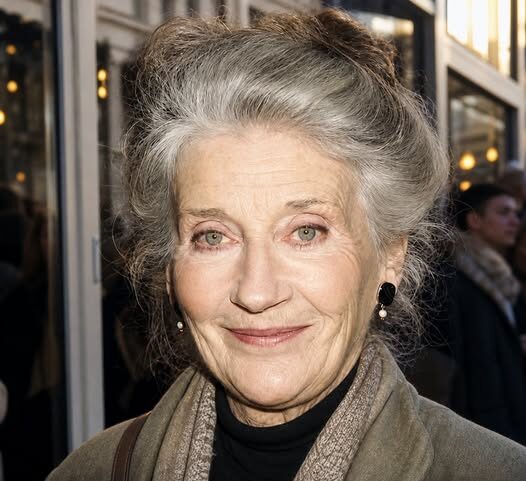
Phyllida Law Remembered for a Life of Acting, Family and Quiet Influence
A peaceful final chapter surrounded by family
Phyllida Law’s final day reflected the quiet dignity that had characterized much of her long life and career. The celebrated actress died at home, surrounded by her family, with her passing described as “supremely peacefully”.
For generations of viewers, Law was a familiar presence across British film and television. Yet her legacy extended beyond the roles she performed, reaching deeply into her family, her charitable work and the artistic lives of those closest to her.
As the mother of actresses Emma Thompson and Sophie Thompson, Law belonged to a family whose contribution to British drama became widely recognized. Her own career developed alongside that family story, creating a legacy shaped as much by personal relationships as by professional achievement.
Her death closes a remarkable chapter in British acting, but the influence of her work and her family continues. Through decades of performances, writing and public service, Law created a body of work that remained understated while leaving a lasting impression.
From Glasgow ambitions to a life in performance
Before acting became the defining profession of her life, Law had ambitions connected with stage design in Glasgow. That early interest placed creativity at the center of her path long before audiences came to recognize her as an actress.
Her eventual career in performance unfolded steadily rather than through a single defining moment. She developed into the kind of performer whose strength came from consistency, versatility and an ability to bring credibility to a wide variety of roles.
Law became part of a tradition of British performers whose careers moved comfortably between different formats. Film and television both gave her opportunities to create characters that audiences could immediately understand, even when her appearances were not designed to dominate the story.
That quality became an important part of her appeal. She could enter a production and contribute warmth, wit or emotional depth without forcing attention toward herself, allowing her characters to feel naturally connected to the world around them.
A memorable presence on film
Among the films associated with Law’s career were Nanny McPhee and The Winter Guest. Both became notable entries in a filmography that demonstrated the range and longevity of her work.
The Winter Guest also carried particular significance because of its connection with Emma Thompson. Law’s professional and family lives occasionally intersected on screen, giving audiences a glimpse of an artistic relationship that extended beyond the usual boundaries between relatives and colleagues.
Nanny McPhee introduced Law’s work to another broad audience. Her participation added to a career that continued to reach viewers across different generations and styles of storytelling.
Rather than being associated exclusively with one character or one period, Law accumulated roles across many years. That longevity helped make her face recognizable even to viewers who might not immediately have known her name.
Her performances were part of a larger career built patiently over time. Each appearance contributed another layer to a reputation based on professionalism and a distinctive, quietly confident screen presence.
A familiar face in British television
Television played an equally important role in Law’s career. She appeared in well-known series including Midsomer Murders, Waking the Dead and Doc Martin, becoming part of programs that reached large British audiences.
These appearances demonstrated her ability to move between different types of television drama. The productions varied in tone and subject, but Law’s performances consistently carried the sense of experience that came from a career developed across decades.
Her television work also strengthened the familiarity audiences felt toward her. She became one of those performers who could appear on screen and immediately seem at home within the story, regardless of whether the character was central to the overall production.
That ability is difficult to measure through awards or headline attention alone. It comes from years of understanding performance, timing and character, and Law developed it into one of the defining qualities of her career.
Through repeated appearances in British households, she built a connection with audiences that was often subtle. Viewers did not necessarily need a major promotional campaign to recognize what she brought to a role.
A family deeply connected to the arts
Law’s legacy cannot be separated from the achievements of her daughters, Emma Thompson and Sophie Thompson. Both established successful careers in acting, extending the family’s connection to performance into another generation.
Emma Thompson became one of the most recognizable members of the family, but behind her public success stood a mother with substantial artistic experience of her own. Law’s career provided a living example of dedication to acting, storytelling and creative work.
Sophie Thompson likewise developed her own place in the acting profession. Together, the careers of Law and her daughters created an unusual family legacy in which individual accomplishments became connected through a shared devotion to performance.
Law’s role as a mother therefore formed an essential part of how her life will be remembered. Her contribution went beyond the characters audiences saw on screen, reaching into the creative environment in which her daughters developed their own careers.
The family connection also gave Law’s legacy a continuing quality. While her own performances now form part of her completed body of work, the influence associated with her family remains active through the careers and achievements of her daughters.
Recognition beyond acting
Law’s contributions were not limited to drama. She was honored with an OBE in recognition of both her work in acting and her charitable activities, acknowledging a public life that reached beyond entertainment.
The distinction reflected the breadth of her contribution. Although audiences primarily knew her through performances, her charitable involvement formed another important part of a life defined by service as well as creativity.
Law also turned to writing, producing memoirs that offered another form through which she could communicate. The move from performance to personal writing added a different dimension to her creative life.
Acting depends on interpreting characters and stories, while memoir allows a writer to look directly at personal experience. Law’s work across both areas demonstrated a continuing interest in observation, memory and human relationships.
Taken together, her acting, charitable work and writing formed a career that was broader than any single professional description could capture. Each element contributed to the portrait of a woman whose public achievements developed alongside strong family commitments.
A career that remained active across decades
One of the most striking aspects of Law’s professional life was its duration. Her career stretched across changing periods of British film and television, allowing her to remain part of the industry while styles, audiences and productions evolved around her.
Long careers in acting depend not only on talent but also on adaptability. Law continued to find places within new productions without losing the qualities that had made her performances distinctive.
Her final role came in the 2020 film Then Came You. That appearance provided the concluding screen credit in a filmography built over many years and across several forms of entertainment.
By the time of that final role, Law had already established a substantial legacy. Her importance did not depend on one final performance because it had been created gradually through decades of work.
The completion of her screen career therefore represented the closing of one chapter rather than the disappearance of her influence. Her films and television performances remain part of the cultural record created during her lifetime.
A legacy shaped by warmth and resilience
Law’s career was never defined primarily by spectacle. Her impact emerged through reliability, warmth and an ability to make characters feel authentic, qualities that allowed her to remain memorable without constantly occupying the center of attention.
That same sense of quiet strength also appears in the way her wider life has been remembered. She balanced acting with motherhood, charitable commitments and writing, creating a legacy that connected professional achievement with personal devotion.
Her story also illustrates how influence can take many forms. Some performers are remembered mainly for one famous role, while others leave a broader imprint through the cumulative effect of many performances and relationships.
Law belonged firmly to the latter group. Her work became part of numerous productions, while her family became an important part of British acting in its own right.
For those who knew her through television, she was a trusted and recognizable screen presence. For film audiences, she contributed to productions that became part of her enduring body of work. For her family, her importance reached far beyond any professional credit.
Remembering Phyllida Law
Phyllida Law leaves behind a career marked by longevity, versatility and a deep connection to British drama. From her early creative ambitions in Glasgow to her later film and television appearances, she followed an artistic path that remained active for many years.
Her performances in Nanny McPhee, The Winter Guest, Midsomer Murders, Waking the Dead and Doc Martin represent only part of that story. Her OBE, charitable involvement and memoir writing reveal additional sides of a life spent contributing both on and away from the screen.
Her daughters, Emma and Sophie Thompson, form another lasting part of that legacy. Their achievements ensure that the family’s connection with acting continues, while Law’s own career remains the foundation of a remarkable multigenerational artistic story.
Her peaceful death at home, surrounded by family, brought that long life to a gentle conclusion. It was an ending consistent with the understated character of a career built not around noise, but around sustained creative contribution.
Although her final screen role arrived with Then Came You in 2020, the significance of Phyllida Law’s life cannot be contained within a final credit. Her influence survives through the performances she left behind, the family she helped nurture and the generations of audiences who encountered her work.
She will be remembered not simply as a familiar actress, but as a woman whose creative life connected stage ambitions, cinema, television, writing, charity and family. Together, those elements form a legacy of talent, kindness and resilience that extends far beyond the screen.