
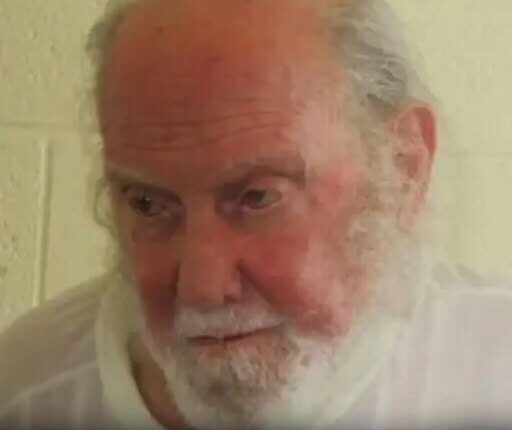
America’s Longest-Serving Prisoner Dies at 101 After More Than 70 Years Behind Bars
Francis Clifford Smith Dies After More Than Seven Decades in Custody
Francis Clifford Smith, who spent more than 70 years behind bars and became known as America’s longest-serving prisoner, died in June 2026 at the age of 101.
Smith’s life was defined by an extraordinary period of incarceration that stretched across generations. He entered prison as a young man and remained within the correctional system for most of the rest of his life.
His story included a murder conviction, repeated scheduled executions, an escape attempt, brief periods outside prison, and eventually a transfer to a secure nursing facility where he spent his final years.
Smith Was Convicted at Age 25
Smith was 25 years old when he was convicted of first-degree murder in the killing of Grover Hart, a night watchman at a Connecticut yacht club.
The conviction marked the beginning of a prison term that would ultimately last for more than seven decades.
His original sentence was death, and Smith came remarkably close to execution on numerous occasions.
Over the years, his case became unusual not only because of the length of his incarceration, but also because of the repeated postponements that kept him alive.
He Was Served a Final Meal Eight Times
One of the most remarkable details of Smith’s imprisonment was that he was served his final meal eight separate times.
Each meal came before a scheduled execution.
Each execution was then stopped before it could take place.
The repeated cycle continued until 1954, when Smith’s death sentence was ultimately commuted to life imprisonment after his eighth scheduled execution.
That decision permanently changed the course of his life.
Instead of being executed, Smith remained in prison for decades longer, eventually becoming one of the most unusual long-term inmates in the American correctional system.
His Death Sentence Became Life Imprisonment
The commutation of Smith’s sentence meant that he would continue serving time rather than face another scheduled execution.
By that point, he had already experienced the emotional and psychological uncertainty of preparing for death multiple times.
The fact that his final meal had been prepared eight times became one of the most striking elements of his story.
After 1954, the central question surrounding his life was no longer whether he would be executed, but how long he would remain incarcerated.
The answer would eventually span most of the twentieth century and continue well into the twenty-first.
Smith Attempted to Escape in 1967
Smith did not spend every moment of his sentence quietly accepting prison life.
In 1967, he attempted to escape.
The effort did not succeed, and he was caught.
He also spent limited periods outside prison at different points in his life.
Those periods did not result in permanent freedom.
Smith was returned to custody after violating the conditions of his release, extending his involvement with the correctional system even further.
Decades Passed Behind Prison Walls
As the years turned into decades, Smith became part of an increasingly rare category of prisoner.
He had entered the system as a 25-year-old man and remained connected to it into extreme old age.
The world outside prison changed dramatically during that time.
For Smith, however, life was largely structured by the routines and limitations of incarceration.
By the time he reached his later years, his case had become notable not only because of the crime for which he had been convicted, but because of the extraordinary length of his confinement.
The Nickname “The Birdman of Osborn”
Despite the seriousness of his criminal history, Smith also became known inside prison for a much quieter habit.
During his years behind bars, he developed a routine of feeding birds.
The behavior eventually earned him the nickname “The Birdman of Osborn.”
Smith would hide bread in his clothing so he could carry it outside and feed the birds.
Andrius Banevicius, the public information officer for Connecticut’s Department of Correction, described the unusual routine.
“He would stuff as much bread as he could in his clothing,” the account explained.
“Everyone kind of turned a blind eye to it because they knew he was just feeding the birds.”
A Small Routine Became Part of His Identity
For someone who spent so many decades living within institutional rules, the simple act of feeding birds became one of the most recognizable details about Smith’s later life.
It was a quiet habit compared with the dramatic events that had defined his earlier years.
There was no escape attempt involved, no courtroom proceeding, and no scheduled execution.
Instead, there was simply an elderly prisoner saving pieces of bread for birds.
The routine became familiar enough to prison staff that it was largely tolerated.
Over time, it became a small but enduring part of the story surrounding him.
Smith Reflected on a Lifetime of Confinement
By 2023, Smith had already spent the overwhelming majority of his life within the prison system.
When he reflected on that reality, his words were simple and direct.
“I’ve been locked up all my life,
“I just go from day to day as the circumstances present themselves.”
The remarks offered a rare glimpse into how Smith viewed his own extraordinary circumstances after so many decades of confinement.
Rather than speaking about distant plans or dramatic hopes, he described life as something experienced one day at a time.
Paroled to a Secure Nursing Home
Smith’s final years were spent outside a traditional prison setting.
In 2020, he was paroled into a secure nursing home.
The move did not erase his connection to the correctional system, but it placed him in an environment better suited to his advanced age and medical needs.
The facility, known as 60 West, became Smith’s final home.
There he lived through the last years of a life that had been shaped by incarceration since early adulthood.
Smith Reached the Age of 101
Longevity became another extraordinary element of Smith’s life.
He survived not only multiple scheduled executions but also more than seven decades within institutions before reaching the age of 101.
David Skoczulek, a spokesman for 60 West, explained that Smith’s death was consistent with his advanced age.
“Essentially, he died of old age.
“He had very limited family involvement around his passing but we assured it was appropriate, met his wishes and was dignified.”
Skoczulek also reflected on Smith’s longevity.
“He did pretty well as far as longevity is concerned.”
His Final Days Were Handled With Dignity
Smith had limited family involvement near the time of his death.
Those caring for him nevertheless ensured that his final arrangements respected his wishes and were handled appropriately.
The circumstances formed a quiet ending to an unusually long and complicated life.
There was no dramatic courtroom appearance, no renewed prison escape, and no final scheduled execution.
Instead, Smith died in old age while living in the secure nursing facility where he had spent his final years.
No Funeral Was Held
After Smith’s death, no funeral was held.
His body was cremated.
The simple arrangements contrasted sharply with the extraordinary story that had preceded them.
Smith had lived through repeated execution dates, an escape attempt, parole, return to custody, decades of institutional life, and eventually placement in a nursing facility.
Yet his final departure occurred quietly.
A Life Spanning Generations of Prison History
Smith’s imprisonment was so long that it covered multiple generations of American life.
He entered custody as a young adult and remained connected to the correctional system until he was more than a century old.
That length of time transformed his case into something exceptional.
Many prisoners serve lengthy sentences, but Smith’s incarceration became extraordinary because of both its duration and the unusual events surrounding it.
Few stories include eight scheduled executions, repeated final meals, a sentence commuted from death to life, an escape attempt, later parole, and survival into the age of 101.
Eight Final Meals Became One of the Most Unusual Details
Among the many details of Smith’s life, the repeated final meals stand out.
A final meal is normally associated with a single scheduled execution.
For Smith, the experience happened eight times.
Each time, the expectation of death was followed by another postponement.
The eighth scheduled execution ultimately became the last after his sentence was changed to life imprisonment in 1954.
That moment opened the door to another 72 years of life.
The Birdman Nickname Offered a Different View of Smith
Smith’s reputation as “The Birdman of Osborn” added an unusual human detail to a life otherwise dominated by legal and correctional history.
The image of an elderly prisoner hiding bread in his clothing so he could feed birds stood in sharp contrast to the serious conviction that had placed him behind bars.
It also became one of the behaviors that prison staff remembered most clearly.
Officials understood what he was doing and generally allowed the habit to continue.
For Smith, feeding the birds became part of an ordinary routine within an otherwise extraordinary period of confinement.
His Final Years Were Very Different From His First
Smith entered prison under a sentence that could have ended his life through execution.
He left the traditional prison environment decades later as an elderly man requiring secure nursing care.
Those two moments illustrate the enormous span of time contained within his case.
At 25, his future appeared likely to end on death row.
At 101, he ultimately died from old age.
The difference between those two outcomes was shaped by the repeated delays to his execution and the 1954 decision to commute his death sentence.
Francis Clifford Smith’s Extraordinary Prison Story Ends at 101
Francis Clifford Smith’s death closed one of the longest known periods of incarceration in the United States.
Convicted of first-degree murder at age 25, he lived long enough to spend more than 70 years within the correctional system.
His life included eight scheduled executions, eight final meals, a death sentence changed to life imprisonment, an escape attempt, unsuccessful periods of release, and eventually parole to a secure nursing home.
Along the way, he also became known for quietly carrying bread in his clothes to feed birds, earning the nickname “The Birdman of Osborn.”
By the end of his life, Smith had little family involvement and lived at 60 West, where staff ensured that his final wishes were respected.
He died in June 2026 at the age of 101, with his death attributed to old age.
No funeral followed, and his remains were cremated.
After decades in which his life had repeatedly been shaped by courts, prisons, scheduled executions, and release decisions, his final chapter ended quietly.
For a man who once prepared to die eight different times, Francis Clifford Smith ultimately lived for more than a century.