
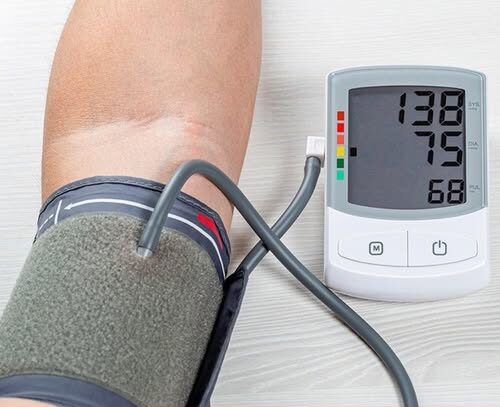
Normal Blood Pressure by Age: Understanding What’s Healthy for You
Why Blood Pressure Matters
Blood pressure is one of the most important indicators of overall health. It measures the force of blood pushing against the walls of your arteries as the heart pumps blood through the body.
Doctors often use blood pressure readings to evaluate how well the heart and circulatory system are functioning. When blood pressure remains within a healthy range, the risk of serious health problems can be lower.
Because the body changes over time, what is considered a typical blood pressure reading can vary with age.
This article is for informational purposes only and does not replace professional medical advice. Always consult a qualified healthcare professional regarding personal health concerns.
Understanding Blood Pressure Numbers
Blood pressure is recorded using two numbers:
Systolic pressure (the top number) measures the pressure in the arteries when the heart beats.
Diastolic pressure (the bottom number) measures the pressure in the arteries between heartbeats.
For many adults, a reading close to 120/80 mm Hg is often considered a typical reference point.
General Blood Pressure Categories
Low: Less than 90 / 60 mm Hg
Optimal: Less than 120 / Less than 80 mm Hg
Normal: 120–129 / 80–84 mm Hg
Normal to High: 130–139 / 85–89 mm Hg
High: Greater than 140 / Greater than 90 mm Hg
Individual health conditions can affect what is considered healthy, so healthcare providers may offer personalized guidance.
Average Blood Pressure in Children and Teens
Newborns (up to 1 month): 60–90 / 20–60 mm Hg
Infants: 87–105 / 53–66 mm Hg
Toddlers: 95–105 / 53–66 mm Hg
Preschoolers: 95–110 / 56–70 mm Hg
School-aged children: 97–112 / 57–71 mm Hg
Adolescents: 112–128 / 66–80 mm Hg
Children’s blood pressure naturally changes as they grow and develop.
Average Blood Pressure in Adults
Typical averages can vary slightly between individuals and may also differ by age group.
Age 18–39
Women: 110 / 68 mm Hg
Men: 119 / 70 mm Hg
Age 40–59
Women: 122 / 74 mm Hg
Men: 124 / 77 mm Hg
Age 60 and older
Women: 139 / 68 mm Hg
Men: 133 / 69 mm Hg
How Aging Can Affect Blood Pressure
As people age, natural changes occur in the circulatory system. Arteries may become less flexible over time, which can contribute to higher blood pressure levels.
Because of this, regular health checkups and blood pressure monitoring become increasingly important as individuals grow older.
Ways to Support Healthy Blood Pressure
Maintain a healthy weight: Managing body weight can help support normal blood pressure levels.
Eat a balanced diet: Consuming vegetables, fruits, whole grains, and limiting excess salt and unhealthy fats can contribute to better cardiovascular health.
Stay physically active: Regular movement such as walking, cycling, or other moderate exercise can support heart health.
Avoid smoking: Not smoking can help protect blood vessels and overall cardiovascular health.
Limit alcohol intake: Reducing excessive alcohol consumption may help maintain healthy blood pressure.
The Importance of Regular Checkups
Blood pressure often changes gradually over time. Regular health screenings allow healthcare providers to monitor these changes and recommend appropriate lifestyle adjustments if needed.
Understanding how blood pressure varies with age can help people take proactive steps to support long-term health and well-being.