
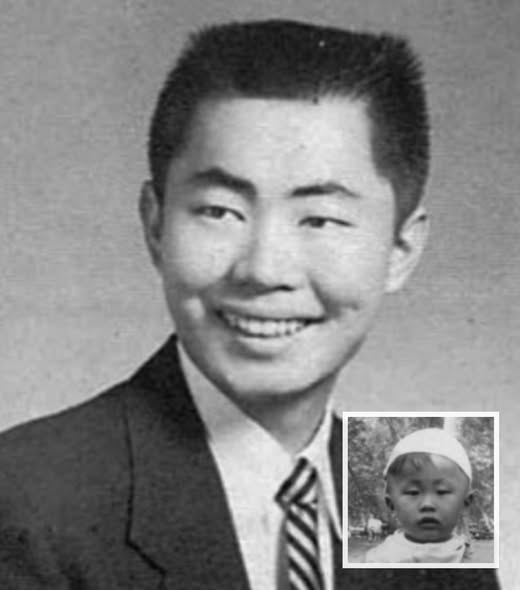
George Takei’s Journey From Wartime Internment To Cultural Icon
A Childhood Interrupted by War
Years before he became known around the world for his role in Star Trek, George Takei experienced a childhood marked by fear, uncertainty, and displacement.
Born and raised in Los Angeles, Takei was only five years old when World War II dramatically altered the course of his family’s life.
Shortly after his fifth birthday, armed military personnel arrived at the family’s home and ordered them to leave. The sudden appearance of soldiers and the urgency of the situation created a frightening and confusing experience for the young boy.
With little time to prepare, the family was forced to pack their belongings and abandon the life they had known. For a child, the events unfolding around him were difficult to understand.
The experience would become one of the defining chapters of Takei’s life and would later influence much of his work and advocacy.
Life Inside Temporary Housing
After being removed from their home, Takei and his family were transported to Santa Anita Park.
The location, known primarily as a horse racing facility, had been converted into temporary housing for Japanese-American families.
Many families, including Takei’s, found themselves living in former horse stalls that had been repurposed for human occupancy.
The conditions were far removed from the comfort and stability of home. Yet for many children, including Takei, the full significance of what was happening remained unclear.
His father tried to protect the children from the harsh reality surrounding them.
Rather than burden them with the painful truth, he explained that the family was simply going on a long trip. The explanation helped shield the children from fear, even as their circumstances became increasingly difficult.

Years Spent in Internment Camps
Following their stay at Santa Anita Park, the family was transferred to Japanese-American internment camps, where they remained for the duration of the war.
For adults, the experience represented a profound loss of freedom and security. For children, it created a confusing world filled with restrictions and uncertainty.
Takei later reflected on those years as a mix of childhood innocence and circumstances that he would only fully comprehend as an adult.
Although he was too young to grasp the broader political forces shaping his family’s fate, the memories remained deeply embedded in his mind.
The experience became a lasting part of his personal identity and later inspired him to share his story with future generations.
Revisiting the Past Through Storytelling
Now in his 80s, Takei has spent years speaking publicly about the events that shaped his early life.
One of the most significant projects connected to those experiences is his graphic memoir They Called Us Enemy.
The book explores the fear, confusion, and uncertainty faced by his family during their internment.
It also offers a personal perspective on a difficult period in American history, presenting the events through the eyes of a child who lived through them.
Through the memoir, Takei has sought to preserve memories that might otherwise fade with time.
The work allows readers to understand both the emotional and practical challenges that Japanese-American families faced during the war years.

The Challenges Continued After the War
Leaving the camps did not mean an immediate return to normal life.
For Takei’s family, the end of the war brought a new set of hardships.
When they attempted to rebuild their lives, they discovered that much of what they had once possessed was gone.
The family’s bank accounts had been emptied, their home was no longer available, and the business that had supported them before the war had disappeared.
Like many others emerging from similar circumstances, they faced the difficult task of starting over with limited resources.
The losses extended far beyond finances. The family had also lost years of stability, opportunity, and security.
Growing Up in Poverty
With few options available, the family eventually settled in a struggling section of downtown Los Angeles known as Skid Row.
The neighborhood presented a stark contrast to the life they had known before the war.
For a young person trying to understand the world, the experience was emotionally challenging.
Takei has spoken about the pain of growing up amid poverty and displacement after returning from the camps.
The circumstances left lasting impressions that would remain with him throughout his life.
Despite the hardships, his family continued moving forward, determined to rebuild and create opportunities for the future.
The resilience shown by his parents became an important example that influenced Takei as he grew older.

Finding Direction Through Education
As he entered adulthood, Takei began focusing on education as a pathway toward a better future.
His father encouraged him to pursue a practical profession, and Takei initially followed that advice.
He enrolled at the University of California, Berkeley, where he studied architecture.
Although he respected the field, he gradually realized that his true interests lay elsewhere.
The creative arts attracted him in a way that architecture did not.
Recognizing this growing passion, he eventually decided to make a significant change.
He transferred to the University of California, Los Angeles, where he pursued theater studies.
The decision represented a major turning point and set him on a path toward an entirely different career.
The Beginning of an Acting Career
While studying theater, Takei gained opportunities to showcase his talent in university productions.
His performances attracted attention and opened doors within the entertainment industry.
Those early opportunities led to film roles that helped establish his presence as a performer.
Each project brought additional experience and visibility, allowing him to continue building a career in acting.
Although success did not arrive overnight, the momentum created during those years eventually led to a breakthrough opportunity.
That opportunity would transform his life and introduce him to audiences around the world.
The Role That Changed Everything
Takei’s career reached a new level when he was cast as Hikaru Sulu in Star Trek.
The role became one of the most recognizable characters in the franchise and helped secure his place in entertainment history.
As part of the groundbreaking series, Takei became familiar to viewers across generations.
The popularity of Star Trek continued long after its original run, ensuring that his portrayal of Sulu remained an important part of popular culture.
The success of the series also provided Takei with a platform far beyond acting.
Over time, he became known not only as a performer but also as a public voice on social and political issues.

Using Personal Experience to Advocate for Civil Rights
Takei’s experiences during childhood played a significant role in shaping his views on civil liberties and government authority.
Having witnessed the consequences of wartime policies firsthand, he became increasingly involved in advocacy and public discussion.
Throughout his life, he has spoken about the importance of protecting individual rights, particularly during periods of fear and national uncertainty.
His childhood memories provided a unique perspective that informed his public commentary.
Takei has repeatedly emphasized the need to learn from historical mistakes rather than repeat them.
His activism has become one of the defining aspects of his public identity.
Speaking Out on Contemporary Issues
Drawing on lessons from his family’s experiences, Takei has often addressed modern debates involving civil rights and government policies.
He has voiced criticism of actions that he believes risk repeating patterns of discrimination or unfair treatment.
Among the issues he has discussed are policies involving migrant family separations at the U.S.-Mexico border during the administration of Donald Trump.
For Takei, such discussions are deeply personal because they connect to memories of separation, displacement, and loss experienced during his childhood.
His willingness to speak openly has made him a prominent figure in conversations about justice, equality, and historical memory.
A Legacy Beyond Entertainment
Today, George Takei’s legacy extends far beyond his achievements as an actor.
While Star Trek introduced him to millions of fans, his life story has given him an additional role as an educator and advocate.
Through books, public appearances, and activism, he continues sharing lessons drawn from one of the most difficult periods of his life.
His message centers on the importance of protecting civil liberties and remaining vigilant against injustice.
The experiences that began when soldiers arrived at his family’s Los Angeles home have remained a guiding force throughout his life.
From a frightened child living through wartime internment to a celebrated actor and activist, Takei’s journey reflects resilience in the face of extraordinary hardship.
By continuing to tell his story, he hopes future generations will remember the consequences of fear-driven policies and recognize the value of safeguarding the rights and freedoms of all people.