
BBC Presenter Martine Croxall Sparks Debate After Changing “Pregnant People” to “Women” Live on Air
BBC Broadcast Moment Draws Widespread Attention
BBC News presenter Martine Croxall has found herself at the center of a public debate after changing wording that appeared on her autocue during a live television broadcast.
The veteran anchor was discussing the risks associated with unusually warm weather in the United Kingdom when she reached a line referring to groups considered particularly vulnerable to heat-related illness.
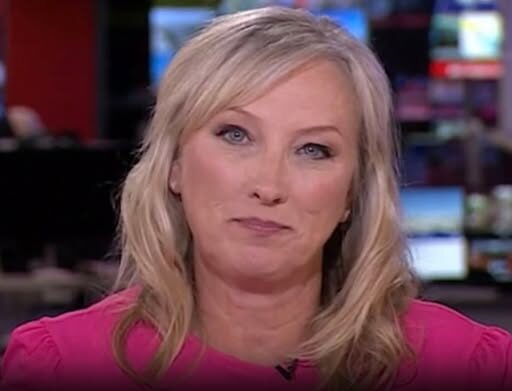
As Croxall read the sentence, she began to say the phrase “pregnant people” before immediately replacing the word “people” with “women.” Her facial expression afterward appeared to signal that the change had been intentional.
The brief moment quickly attracted attention online, where viewers began debating both the language used in the original script and Croxall’s decision to alter it while presenting the news.
Croxall Changes the Autocue Wording
Croxall, 56, has spent decades working in broadcasting and has been associated with the BBC for around 30 years.
During the broadcast, she was discussing people who may face increased risks during periods of high temperatures.
The segment referred to research involving Malcom Mistry and focused on the precautions that certain groups should consider during particularly warm weather.
While reading the prepared script, Croxall reached a passage identifying older people, pregnant individuals and people with existing health conditions as groups requiring additional care.
She then changed the wording as she delivered the sentence live.
“Malcom Mistry, who was involved in the research, says that the aged, pregnant people – women – and those with pre-existing health conditions need to take precautions,” Croxall said during the broadcast.
The correction was accompanied by a visible expression that drew further attention from viewers and helped turn what might otherwise have been a brief on-air change into a much larger discussion.
Social Media Users React to the Moment
The broadcast quickly became a talking point on social media, with people expressing sharply different opinions about Croxall’s decision.
Some viewers praised the presenter for changing the wording, while others questioned whether a BBC anchor should depart from language displayed on the teleprompter during a live news segment.
The reaction became even more prominent when British author J.K. Rowling publicly expressed support for Croxall.
Rowling posted, “I have a new favourite BBC presenter.”
The comment added further visibility to the controversy and brought more people into an already active online debate.
As discussion continued, the moment became about more than a single word used during a weather-related news segment. It developed into a broader argument about language, gender identity, editorial standards and the role of presenters when reading prepared scripts.
Why the Phrase Became the Center of Debate
The phrase “pregnant people” is often used as gender-neutral language intended to include people who are pregnant but do not identify as women, including some transgender and non-binary individuals.
Supporters of that terminology generally view it as a way of making medical and public-health language more inclusive.
At the same time, the phrase has become controversial among people who believe that pregnancy should be described specifically in relation to women.
That disagreement has become part of a much wider public conversation over how sex and gender should be described in institutions, healthcare, politics and the media.
Croxall’s decision to change the wording therefore carried significance for viewers far beyond the immediate subject of hot weather.
For some people, the moment represented a presenter challenging terminology she did not agree with. For others, it raised concerns about whether personal beliefs should influence the language used by a broadcaster during a live news report.
Croxall Has Previously Expressed Her Views
The presenter has previously spoken publicly about questions involving sex and gender.
During an earlier exchange involving a transgender activist, Croxall stated that ‘sex is binary and immutable.’
That previous position caused some viewers to interpret the live correction as consistent with views she had already expressed publicly.
The moment therefore did not occur in isolation for those familiar with Croxall’s earlier comments.
Instead, it was seen by many observers as another example of her willingness to publicly express a firm position on the issue.
Her decision to change the script while on air also generated questions about the relationship between a presenter’s personal convictions and the language prepared for a broadcast.
The Presenter Responds After the Broadcast
Following the reaction, Croxall addressed the sudden increase in attention through social media.
She thanked people who had begun following her after the incident and acknowledged how intense the response had become.
She wrote, “A huge thank you to everyone who has chosen to follow me today for whatever reason. It’s been quite a ride…”
The message reflected the scale of the attention that followed the brief exchange on television.
Croxall also indicated that she understood there could be consequences for changing the wording while presenting the segment.
She said she was ‘braced’ for the possibility of a conversation with senior figures if concerns were raised about what happened.
That acknowledgment added another dimension to the story, as attention shifted from the public reaction to the possibility of an internal response.
A Long Career at the BBC
Croxall’s involvement with the BBC stretches back decades.
She began working with the organization in 1991 and has developed a long career as a television news presenter.
Her experience made the incident especially noteworthy because it involved a veteran broadcaster making a clear alteration to prepared language during a live segment.
Experienced news presenters regularly work from autocues containing carefully prepared scripts, and live broadcasting often requires them to deliver information precisely while reacting to events in real time.
In this case, however, the attention was not caused by an accidental stumble or technical problem.
The discussion centered on the perception that Croxall deliberately chose not to use the terminology displayed before her.
Her years of experience also meant that many viewers interpreted her facial reaction after the correction as evidence that she was fully aware of the significance of the change.
The Wider Argument Over Language
The controversy reflects a broader debate that extends beyond broadcasting.
Language involving sex and gender has become an increasingly visible subject in public institutions and national discussions in several countries.
Terms designed to be inclusive of transgender and non-binary people have been adopted in some contexts, while critics have argued that certain forms of gender-neutral language can make references to women less direct.
The disagreement frequently becomes particularly intense when pregnancy, healthcare and biological sex are involved.
Supporters of inclusive terminology argue that phrases such as “pregnant people” recognize that not everyone capable of pregnancy identifies as a woman.
Critics of that wording generally prefer the term “pregnant women” and argue that sex-based language should remain central when discussing pregnancy.
Croxall’s on-air correction brought those two positions into direct contact during a mainstream television broadcast.
Questions About Neutrality and Personal Judgment
The incident also raised a separate issue concerning the responsibilities of television journalists.
News presenters are expected to deliver information clearly and professionally, particularly when working from scripts produced for live broadcasts.
When a presenter consciously changes politically or socially sensitive wording, audiences may interpret the decision as an expression of personal opinion.
That can create debate over whether the alteration was an appropriate exercise of judgment or an unnecessary departure from the prepared material.
The reaction to Croxall demonstrated how quickly even a small linguistic change can become a major subject when it touches on a politically and culturally sensitive issue.
People who supported her framed the moment as an act of conviction, while critics focused more closely on professional expectations and inclusive language.
The division showed that the controversy was unlikely to be resolved by agreement over a single word.
J.K. Rowling’s Support Adds to the Attention
Rowling’s public reaction significantly amplified interest in the broadcast.
The author has become a prominent figure in public discussions involving sex and gender, meaning her support immediately connected Croxall’s action with a much wider debate.
Her short message praising the BBC presenter circulated widely among people already following those arguments.
That support also encouraged additional commentary from users who either agreed strongly with the presenter or rejected the decision to change the original wording.
As a result, a brief moment during a report about extreme heat developed into a highly visible cultural argument online.
The Original Segment Focused on Heat Risks
Before the controversy emerged, the actual purpose of the BBC segment was to discuss health risks associated with high temperatures.
Croxall was explaining that certain groups can face greater vulnerability during particularly hot conditions.
The information included older individuals, people with existing health problems and those who are pregnant.
Her wording change did not alter the central warning that people in vulnerable groups should take precautions during periods of severe heat.
However, the linguistic disagreement quickly overshadowed the health-related subject that had prompted the sentence in the first place.
The attention demonstrates how sensitive terminology can shift the public focus of a news segment, even when the disputed phrase occupies only a few seconds of a much broader report.
A Brief Television Moment Becomes a National Talking Point
Croxall’s correction lasted only moments, but the reaction continued well beyond the original broadcast.
The presenter gained new attention online, received public support from prominent figures and acknowledged that her choice could potentially lead to questions from BBC management.
At the same time, viewers continued debating whether the phrase “pregnant people” represents appropriate inclusive language or whether “women” should remain the preferred term when discussing pregnancy.
The disagreement reflects a larger cultural divide that has been unfolding across politics, media and public institutions.
For Croxall, the incident has placed a spotlight on both her personal views and her responsibilities as an experienced BBC presenter.
Her willingness to change a word displayed on the autocue transformed an otherwise routine news segment into a moment that generated widespread attention and sharply divided responses.
The Debate Is Likely to Continue
The controversy surrounding Martine Croxall illustrates how quickly questions about language can develop into national discussions about identity, inclusion and professional standards.
Some viewers regard her decision as a straightforward correction that reflected biological terminology. Others see the original wording as intentionally inclusive and believe changing it excluded people the phrase was designed to recognize.
There is also a continuing debate over whether television presenters should make such changes during live broadcasts, particularly when the terminology has been included in a prepared script.
Croxall’s reaction afterward suggests she was aware that the decision might attract scrutiny, while the strong public response shows how deeply divided audiences remain on the wider issue.
What began as a report about protecting vulnerable people during extreme heat ultimately became a much broader conversation about the words institutions use and the choices journalists make when presenting them.
With debates over sex, gender and inclusive language continuing in several countries, moments like this are likely to remain highly scrutinized whenever they appear in mainstream media.