
Seagull Seen at Weymouth Beach With Crossbow Bolt Through Chest Raises Wildlife Cruelty Concerns
Injured Gull Spotted on Dorset Beach
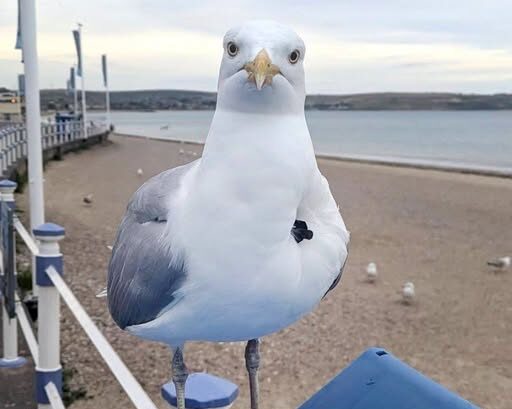
Visitors at Weymouth Beach in Dorset were left shocked after a seagull was seen with what appeared to be a crossbow bolt lodged through its chest.
The injured bird was noticed on Monday evening while perched alone on a beach bin. People nearby quickly realized that a long projectile was sticking out from its body, creating an alarming scene for beachgoers who witnessed it.
Although the injury looked serious, the gull was still alert and mobile. When members of the public tried to get close enough to help, the bird managed to fly away before it could be safely captured.
The incident has caused distress among local residents and visitors, while also raising fresh concerns about deliberate attacks on wild birds. The sight of the gull carrying such an injury has drawn attention to the wider issue of cruelty toward coastal wildlife.
Witness Describes Distressing Encounter
Witness Ellie Hooper said she first noticed the bird while it was on the bin and believed the object protruding from its chest was a crossbow bolt.
There was no visible blood, but the condition of the gull was still deeply upsetting. The bird’s ability to remain upright and alert despite the apparent injury made the scene even more startling for those who saw it.
Hooper tried to find help from local wildlife rescue organizations, but the timing made the situation difficult. Because it was late in the evening, she struggled to reach immediate assistance before the gull moved away.
The bird remained close enough for a short time that people hoped it might be possible to rescue it. However, the gull eventually flew off across the beach, leaving witnesses worried about its condition and uncertain whether it would be seen again.
Public Concern Grows After Online Reactions
After the sighting became known, the case sparked anger and concern online. Many people expressed sadness over the possibility that the bird had been intentionally harmed.
The reaction became even stronger after some residents claimed the same gull had been seen before with what looked like the same injury. Several people suggested that the bird may have been carrying the embedded projectile for nearly a year.
If those claims are accurate, the gull has survived for months with the bolt still lodged in its body. That possibility has made the case even more remarkable, while also increasing concern about how long the bird may have been living with the injury.
The idea that a wild bird could continue flying, feeding, and surviving with such a wound has shocked many people. It has also renewed questions about how quickly injured wildlife can be located, captured, and treated when they remain mobile.
Local Rescuers Still Hope to Help
Local wildlife charity Animals in Need previously attempted to capture the gull during earlier sightings. Those efforts were not successful because the bird remained free and able to avoid rescue.
Capturing an injured wild bird can be extremely difficult when the animal is still strong enough to fly. Even when a bird appears approachable for a short time, it may move suddenly or become stressed by rescue attempts.
Because the gull has not yet been secured, rescuers continue to hope another opportunity will arise. A safe capture would allow the bird to be examined properly and treated by people with the right equipment and experience.
For now, the gull remains out of reach. Its condition has left many people hoping that it will be spotted again in a situation where trained rescuers can respond before it flies away.
A Resilient Bird Known Locally as Steven
The gull’s unusual survival has led some locals to give it an unofficial nickname. It has become known as ”Steven,” inspired by action star Steven Seagal.
The nickname reflects both the bird’s toughness and the strange nature of the situation. While the name has brought some attention to the gull’s resilience, the injury itself remains a serious animal welfare concern.
People who have followed the case have described the bird as remarkably strong. Despite the object lodged through its chest, it has continued to move, perch, and fly.
That endurance has made the gull a symbol of survival for some residents. At the same time, the case remains troubling because no animal should be left to live with such an injury if treatment is possible.
Legal Protection for Gulls in the United Kingdom
The incident has renewed calls for stronger protection of wild birds and greater awareness of existing wildlife laws.
In the United Kingdom, all gull species are protected under the Wildlife and Countryside Act 1981. Intentionally injuring or killing a gull is a criminal offence.
Those found responsible for harming protected wild birds can face serious consequences. Penalties may include substantial fines or imprisonment, depending on the circumstances of the offence.
The law recognizes that gulls are part of the natural environment and should not be targeted simply because they live close to people. Coastal towns often have regular contact with gulls, but that does not remove their legal protection.
Cases involving suspected deliberate harm to wildlife show why these protections matter. They also highlight the need for members of the public to report cruelty and seek help when injured animals are found.
Concerns Over Cruelty Toward Coastal Wildlife
Animal welfare advocates say the Weymouth Beach case points to a wider problem involving the treatment of gulls.
The RSPCA has repeatedly warned that gulls are among Britain’s most persecuted wild birds. Despite their role along the coast, gulls are often the target of hostility and cruelty.
Complaints involving deliberate harm to gulls regularly include physical attacks, poisoning, and other forms of abuse. The case of the gull with the bolt in its chest has brought renewed attention to those concerns.
Gulls are often highly visible in seaside communities, especially around beaches, bins, and busy public areas. Their presence can sometimes lead to frustration among people, but animal welfare groups continue to stress that cruelty is never acceptable.
The injury seen in Weymouth has been viewed by many as especially disturbing because of the type of object involved. A crossbow bolt lodged through a bird’s body raises serious questions about how the injury occurred and whether it was the result of deliberate action.
What the Public Should Do When Finding an Injured Bird
Wildlife experts urge people not to chase or handle injured wild birds unless it can be done safely. A frightened animal may become more stressed if surrounded or pursued.
Even an injured bird can move quickly, fly away, or injure itself further while trying to escape. That is why trained wildlife rescuers are usually better equipped to capture and treat injured animals.
Anyone who sees a wild bird in distress is advised to contact a licensed wildlife rescue organization. These groups have the knowledge, tools, and experience needed to approach animals carefully and reduce the risk of further harm.
Members of the public can still play an important role by observing the animal from a safe distance, noting its location, and sharing clear information with rescuers. Quick and accurate reporting can improve the chances of a successful rescue.
In this case, the late evening timing made it harder for witnesses to find immediate help. The bird’s ability to fly also made the situation more complicated, as it could leave the area before rescuers arrived.
Why the Case Has Captured Attention
The Weymouth gull has drawn attention because of the shocking nature of the injury and the bird’s ability to survive despite it.
Many injured wild animals hide or weaken quickly, making them difficult to spot until it is too late. This gull, however, remained visible enough to be seen by beach visitors and local residents.
The possibility that it may have lived with the embedded bolt for months has made the story even more unusual. While the bird’s survival is remarkable, the situation remains urgent because the injury could still cause complications.
Without proper examination, there is no way for rescuers to know the full extent of the damage. The bolt could affect the bird’s movement, feeding, breathing, or long-term health, even if it appears alert from a distance.
That uncertainty is why local concern remains high. The gull may look strong, but professional assessment is still needed to understand whether it can be treated and what risks it continues to face.
Calls for Compassion and Stronger Protection
The incident has become a reminder that wildlife in public spaces still needs protection. Beaches, town centers, and coastal communities are shared environments where people and animals often cross paths.
When cruelty occurs, the consequences can be severe and long-lasting. An injured animal may continue to suffer even if it appears to be coping on the surface.
Animal welfare supporters say public awareness is essential. Reporting suspected abuse, supporting licensed rescue organizations, and encouraging responsible behavior can help protect vulnerable animals from further harm.
The case also underlines the importance of veterinary care for injured wildlife. Access to trained professionals can make a life-saving difference when animals are found with serious wounds or embedded objects.
More attention on cases like this can also help hold offenders accountable. Public concern, clear reporting, and stronger enforcement of animal protection laws all play a role in reducing cruelty.
Hope Remains for the Injured Gull
For now, the gull seen at Weymouth Beach remains a symbol of both resilience and vulnerability. Its survival has amazed many people, but its injury remains a serious concern.
Rescuers hope that another sighting will provide a safe chance to capture the bird and examine it properly. Until that happens, locals and visitors are likely to keep watching for any sign of the gull known as Steven.
The bird’s endurance has impressed those who have followed its story, but conservationists hope it will not have to rely on survival alone for much longer.
Every injured wild animal is a reminder that compassion and quick action matter. Whether the animal is a domestic pet or a bird living along the coast, protection depends on awareness, reporting, and access to proper care.
The Weymouth Beach gull has survived against the odds, but the hope now is that it can eventually receive help before its remarkable strength is tested any further.