
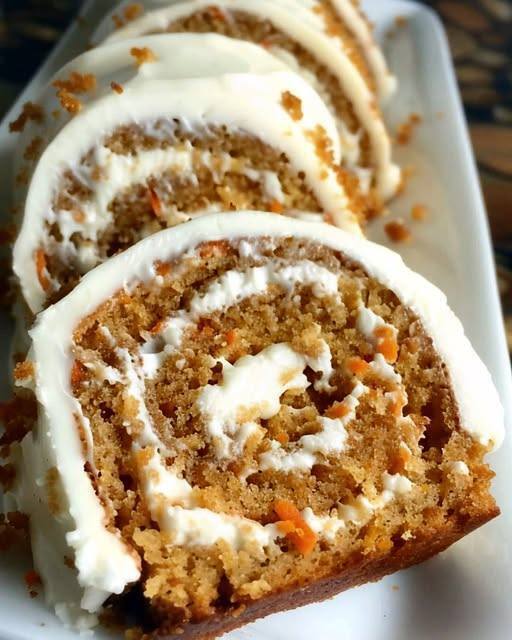
Carrot Cake Roll Combines Classic Flavor and Elegant Presentation for a Spring Dessert
A carrot cake roll brings together familiar ingredients in a way that feels both comforting and visually appealing. With a soft, spiced cake wrapped around a smooth cream cheese filling, it offers a balanced dessert that is simple to prepare yet refined in appearance.
This version keeps the process approachable by using a prepared cake mix, allowing home bakers to focus on technique rather than complex measurements. The addition of freshly grated carrot enhances both flavor and texture, creating a moist cake that pairs naturally with the creamy filling.
The finished result is a dessert that fits a wide range of occasions. It works equally well for seasonal gatherings, casual afternoons, or family meals, making it a versatile addition to any baking routine.
A Practical Approach to an Elegant Dessert
One of the defining features of a carrot cake roll is its ability to balance simplicity with presentation. While the ingredients remain straightforward, the rolled format transforms the dessert into something more visually engaging.
The spiral pattern revealed in each slice adds a decorative element without requiring advanced decorating skills. This makes it an appealing choice for those who want a polished result without investing in complicated techniques.
By combining convenience with thoughtful preparation, the recipe allows bakers to achieve a dessert that feels carefully made while remaining accessible from start to finish.
Understanding the Cake Base
The cake layer begins with a box carrot cake mix prepared according to its instructions. This base provides the structure and spiced flavor that define the dessert.
To enhance the overall result, freshly grated carrot is folded into the batter. This addition increases moisture and contributes to a softer texture, which is essential for rolling the cake without breaking.
Because the batter is spread thinly across a baking sheet, it cooks quickly and evenly. This thin format ensures that the cake remains flexible enough to shape while still maintaining its structure.
Building the Cream Cheese Filling
The filling plays a central role in both flavor and texture. A combination of softened cream cheese and butter creates a smooth and rich base that complements the lightly spiced cake.
Vanilla extract is added to provide subtle sweetness and balance. This ingredient helps soften the tang of the cream cheese while maintaining a cohesive flavor profile throughout the dessert.
Powdered sugar completes the filling by adding sweetness and creating a spreadable consistency. The final texture should be smooth and firm enough to hold its shape once the cake is rolled.
Preparing the Baking Surface
Before mixing the batter, the oven is preheated to 350°F, or 175°C. Starting with a fully heated oven helps ensure even baking and prevents inconsistencies in texture.
A rimmed baking sheet is lined with parchment paper and lightly coated with nonstick spray. This preparation step is essential for easy removal, as the cake layer is thin and delicate.
At the same time, a clean kitchen towel is dusted generously with powdered sugar. This towel will later be used to shape the cake, helping prevent sticking during the rolling process.
Mixing and Baking the Batter
The batter is prepared according to the instructions provided with the cake mix. Once combined, the grated carrot is folded in gently to ensure even distribution.
The batter is then spread evenly across the prepared baking sheet. Maintaining a consistent thickness helps the cake bake uniformly and simplifies the rolling step later.
The cake is baked for approximately 15 minutes, or until a toothpick inserted into the center comes out clean. Because the layer is thin, careful attention during baking helps avoid overcooking.
Shaping the Cake While Warm
Once baked, the cake is immediately turned out onto the prepared towel. The parchment paper is carefully removed while the cake is still warm.
This stage is important because rolling the cake while warm allows it to form the desired shape without cracking. The heat keeps the cake flexible, making it easier to handle.
The towel is used to gently roll the cake from one short end to the other. The rolled cake is then set aside to cool for about 45 to 60 minutes.
Why Cooling Is Essential
Allowing the cake to cool in its rolled form helps it retain its structure. This step ensures that the cake can be unrolled and filled later without losing its shape.
Cooling also prevents the filling from melting when it is added. A fully cooled cake provides a stable surface for spreading the frosting evenly.
This stage contributes to both the appearance and texture of the final dessert, making it an essential part of the process.
Preparing the Filling
While the cake cools, the cream cheese and butter are beaten together until smooth. This creates a base that is easy to spread and free of lumps.
The vanilla extract is mixed in, adding depth to the flavor without overpowering the other ingredients. The powdered sugar is then added gradually until the desired consistency is reached.
The finished frosting should be creamy and easy to spread, yet firm enough to remain in place when the cake is rolled.
Assembling the Cake Roll
After the cake has cooled completely, it is carefully unrolled. This step should be done slowly to avoid tearing the cake layer.
The frosting is spread evenly across the surface, ensuring that every portion of the cake is covered. Even distribution helps create a consistent spiral in each slice.
The cake is then rolled again, this time without the towel, and placed seam-side down on a serving platter. This positioning helps maintain its shape and improves presentation.
Chilling for Best Results
The assembled cake roll is placed in the refrigerator for at least 30 minutes. This allows the filling to set and makes the dessert easier to slice cleanly.
Chilling also enhances the definition of the spiral pattern inside the cake. A slightly firm filling helps each slice hold together more neatly.
This final step completes the preparation and prepares the dessert for serving.
Flavor and Texture Balance
The finished carrot cake roll offers a combination of soft texture and balanced flavor. The cake remains moist and lightly spiced, while the filling adds a creamy contrast.
The grated carrot contributes both flavor and tenderness, enhancing the overall experience without overwhelming the dessert.
The cream cheese filling provides a gentle tang that complements the sweetness of the cake, creating a well-rounded flavor profile.
Serving and Presentation
When sliced, the cake reveals a clean spiral of cake and filling that gives it a polished appearance. This visual element makes it suitable for both casual and more formal occasions.
The dessert can be served chilled, allowing the flavors to remain balanced and the texture to stay firm. Light dusting with powdered sugar can add a finishing touch if desired.
Each slice presents a consistent look and flavor, making it easy to serve to guests or enjoy at home.
Suitable for Seasonal Occasions
This carrot cake roll fits naturally into springtime menus. Its light presentation and classic flavor make it a suitable choice for gatherings and celebrations.
Because it can be prepared in advance and chilled before serving, it offers convenience for events where timing is important.
Its versatility also allows it to be enjoyed beyond seasonal occasions, making it a reliable option for everyday desserts.
A Straightforward Yet Impressive Dessert
Although rolled cakes may appear complex, this method simplifies the process into manageable steps. Each stage builds on the previous one, creating a structured approach that leads to consistent results.
The combination of a thin cake layer, proper rolling technique, and balanced filling ensures that the final dessert is both visually appealing and enjoyable to eat.
For those seeking a dessert that combines familiar flavors with a refined presentation, a carrot cake roll offers a practical and satisfying solution.