
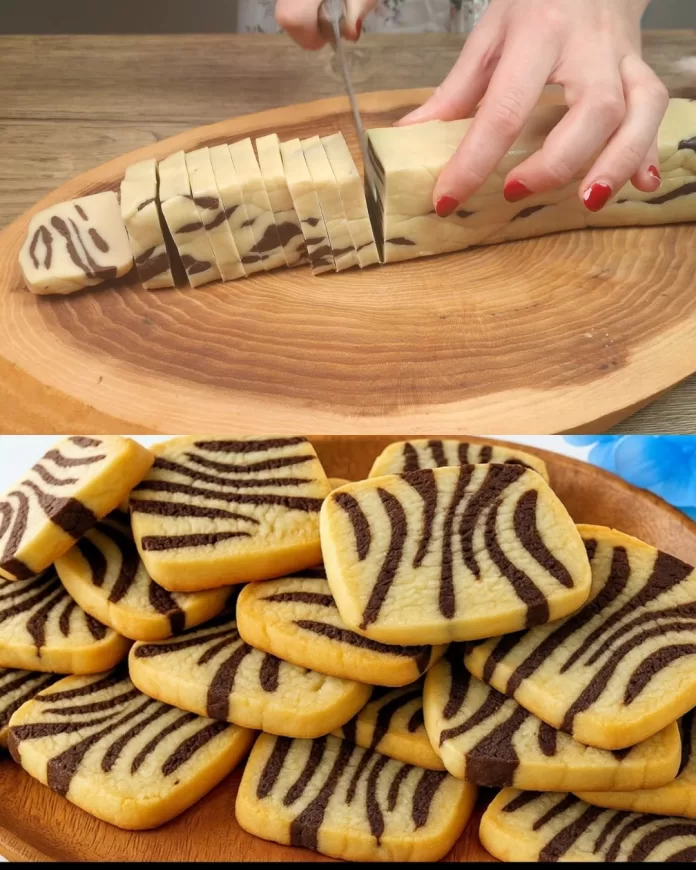
Chocolate Butter Cookies That Deliver Rich Flavor With Minimal Effort
A simple recipe with lasting appeal
Some baking recipes are made for a single occasion, while others quickly become part of a regular routine. These chocolate butter cookies belong in the second category. They rely on everyday ingredients, come together without much effort, and produce a result that feels far more luxurious than the short preparation time might suggest.
The charm of this recipe lies in its balance. The butter provides richness and depth, the cocoa powder brings a gentle chocolate note, and the cornstarch helps create a texture that stays soft and delicate instead of turning heavy. The result is a cookie that feels comforting, elegant, and satisfying all at once.
They are especially useful when there is a desire for something homemade but not enough time for a lengthy baking project. With a quick mixing method and a modest list of ingredients, these cookies fit easily into an ordinary day while still offering the kind of reward usually associated with more elaborate desserts.
Why these cookies stand out
What makes these chocolate butter cookies memorable is the texture. The edges bake up with just enough structure to hold their shape, while the middle stays soft and tender. That contrast gives each bite more character than a cookie that is either fully crisp or completely soft from edge to center.
The flavor follows the same principle of balance. Cocoa powder adds depth without overwhelming the rest of the ingredients. Instead of turning the cookie into a heavy chocolate dessert, it works alongside the butter so that both elements remain noticeable.
This creates a finished cookie that tastes rich but never excessive. It feels indulgent, yet it remains light enough to enjoy with a morning coffee, an afternoon tea, or as a small sweet bite at the end of the day.
Ingredients
170 g butter, softened
160 g icing sugar
1⅛ teaspoons baking powder
320 g all-purpose flour
1 tablespoon cornstarch
2 tablespoons cocoa powder
Prepare the oven and baking tray
Begin by preheating the oven to 170°C. This step ensures the cookies bake evenly from the moment they go in, which is especially important for maintaining the soft interior and lightly set edges that define the recipe.
While the oven is heating, line a baking tray with parchment paper. This helps prevent sticking and makes it easier to lift the cookies off the tray once they have rested for a few minutes after baking.
Having the tray ready before the dough is finished also keeps the process smooth. Since this recipe is designed to be quick and uncomplicated, a little early preparation makes the rest of the method feel even easier.
Cream the butter and sugar properly
The first mixing step is simple but important. In a large bowl, beat the softened butter with the icing sugar until the mixture becomes pale, light, and fluffy. This is more than a basic combining stage. It helps create the delicate structure that gives the cookies their refined crumb.
When butter and icing sugar are beaten together thoroughly, the mixture takes on air and becomes smoother. That lighter texture carries through the finished dough and supports a softer final result once the cookies are baked.
Because the ingredient list is short, each step matters. Taking the time to cream the butter and sugar well helps ensure the cookies do not feel flat or dense. It is one of the main reasons the finished batch tastes tender rather than heavy.
Combine the dry ingredients
In a separate bowl, sift together the all-purpose flour, baking powder, cornstarch, and cocoa powder. Sifting helps distribute the ingredients evenly and reduces the chance of lumps, especially from the cocoa powder and cornstarch.
Once the dry mixture is ready, add it gradually to the creamed butter mixture. Mix only until a soft dough forms. The goal is to bring everything together without overworking it.
This gentle approach is part of what keeps the cookies tender. A dough that is mixed just enough will hold together nicely while still baking into a softer texture. Overmixing would risk producing a result that feels tougher and less delicate.
Shape the dough in the style you prefer
These cookies offer flexibility in shaping. One easy option is to form small balls of dough and flatten them slightly on the prepared tray. This method is straightforward and works well when the goal is speed and simplicity.
For a more traditional butter cookie appearance, the dough can also be piped with a star nozzle. This adds a decorative touch while keeping the same flavor and texture. It is a useful choice when the cookies are being served for guests or included on a mixed dessert plate.
Whichever shaping method is used, it is important to leave some space between each cookie. They spread slightly while baking, and giving them room helps preserve their shape and allows heat to circulate more evenly around each piece.
Baking time and texture
The cookies should bake for 14 to 16 minutes. During this time, the edges become set while the centers stay softer. That contrast is one of the defining qualities of the recipe, so watching the tray carefully near the end of baking is worthwhile.
It is best not to overbake them. Leaving them in the oven too long can take away the gentle texture that makes them so appealing. The cookies should look settled and lightly firm at the edges without appearing overly dry.
Once removed from the oven, let them rest on the tray for a few minutes. This short resting period allows them to firm up enough to be moved without breaking. After that, transfer them to a wire rack so they can cool completely.
How the ingredients work together
Each ingredient in this recipe has a clear purpose. The softened butter forms the base, bringing richness and a smooth, full flavor that gives the cookies much of their character. Because the butter plays such a central role, it remains the most noticeable element in the final taste.
Icing sugar blends especially well into butter. Its fine texture dissolves smoothly and helps produce a soft, refined crumb. This is one reason the cookies feel gentle and delicate rather than coarse.
Cornstarch plays an equally important supporting role. It helps reduce gluten development, which keeps the cookies lighter and more tender. Instead of becoming overly crumbly or dense, the dough bakes into something softer and more balanced.
The cocoa powder adds chocolate flavor without making the mixture too weighty. Rather than dominating the recipe, it works quietly in the background, deepening the overall flavor while still allowing the buttery base to shine through.
Storage and freshness
Once the cookies are fully cooled, they can be stored in an airtight container at room temperature for up to 7 days. This makes them practical for baking ahead, whether for daily snacking, casual entertaining, or preparing a small homemade treat in advance.
The recipe also freezes well for up to 2 months. That makes it easy to keep a batch on hand for times when something sweet is wanted without starting from the beginning again.
To refresh stored cookies, warm them briefly in a low oven for a few minutes. This helps restore some of their just-baked softness and brings back their buttery aroma, making them especially appealing when served with a warm drink.
Easy variations for different occasions
Although the base recipe is satisfying on its own, it also adapts well to small changes. For a deeper chocolate experience, dark or milk chocolate chips can be added to create a double chocolate version. This builds on the cocoa flavor while keeping the original structure of the dough.
Finely chopped nuts such as hazelnuts or almonds offer another option. They introduce a little texture and a subtle roasted flavor that pairs well with both butter and cocoa. This can make the cookies feel slightly more complex while still staying true to the original idea.
Another variation is to dip half of each cooled cookie in melted chocolate. This adds a more decorative finish and increases the richness without changing the baking process itself.
A pinch of cinnamon or espresso powder can also be mixed into the dough. Both options help enhance the cocoa flavor. They do not replace the chocolate note, but instead deepen it in a quiet and effective way.
Serving ideas that suit every setting
These cookies pair naturally with coffee, black tea, or hot chocolate. Their buttery texture and restrained sweetness make them especially versatile, allowing them to fit into both relaxed everyday moments and more polished presentations.
They also work well as part of a mixed cookie platter. Because their flavor is rich but not overpowering, they sit comfortably beside other baked treats and add variety through their texture and cocoa note.
For a more dessert-like presentation, they can be served with fresh fruit and lightly sweetened whipped cream. That combination keeps the overall plate balanced while adding freshness and softness around the cookies.
A dependable recipe worth keeping
One of the most appealing things about these chocolate butter cookies is how dependable they are. The ingredient list is short, the method is uncomplicated, and the final result feels polished enough to serve on special occasions while still being easy enough for ordinary baking.
They show that a good homemade cookie does not need a long list of ingredients or an elaborate process. With butter, cocoa powder, flour, icing sugar, cornstarch, and baking powder, it is possible to create something that feels classic, comforting, and satisfying.
That combination of simplicity and reward is what gives the recipe lasting value. It is the kind of bake that fits neatly into everyday life and still feels special each time it comes out of the oven.
For anyone looking for a chocolate cookie that is soft, buttery, and reliable, this recipe offers exactly that. Once baked, it is easy to understand why it becomes the kind of recipe people return to again and again.