
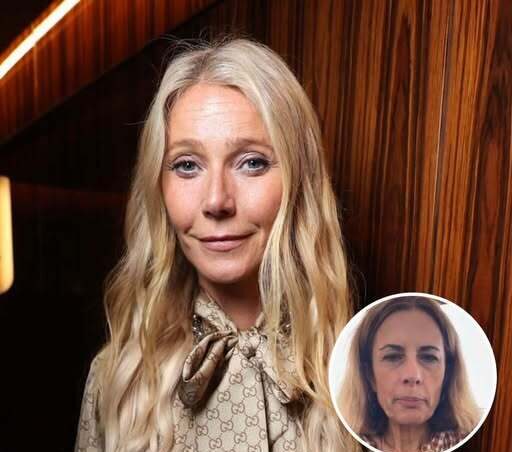
Livia Giuggioli Criticizes Gwyneth Paltrow Over Israeli Luxury Real-Estate Advertisement
Livia Giuggioli has sharply criticized Gwyneth Paltrow after the Oscar-winning actress appeared in a polished Israeli luxury real-estate advertisement during a time of intense suffering in Gaza.
The video sparked a fierce reaction from Giuggioli, who accused Paltrow of showing a troubling level of detachment from the reality of the conflict. Her response quickly moved beyond ordinary celebrity criticism and became a broader statement about responsibility, public image, and the moral weight carried by influential figures.
Giuggioli, who was previously married to an Oscar winner, did not treat the advertisement as a simple marketing misstep. She framed it as a serious failure of judgment, especially because it promoted wealth, calm, and aspirational living while families in Gaza continue to face displacement, grief, and devastation.
A Public Rebuke With Strong Language
In her video, Giuggioli used forceful language to describe Paltrow’s decision to participate in the campaign. She branded the actress “detached,” “nasty,” or “stupid.”
Those words drew attention because they were not delivered as casual insults. They were presented as part of a deeper condemnation of what Giuggioli viewed as an unacceptable disconnect between celebrity branding and human suffering.
For Giuggioli, the advertisement represented more than bad timing. It reflected a larger problem in which luxury marketing can appear insulated from the real-world consequences of war, displacement, and public grief.
Her criticism was especially striking because she has previously rejected the culture of public cancellation. Yet in this case, she called for Paltrow to face consequences, arguing that there are moments when public figures cannot avoid accountability simply by presenting themselves as neutral or above controversy.
The Advertisement at the Center of the Backlash
The controversy centers on a glossy real-estate promotion connected to Israeli luxury property. Paltrow’s presence in the campaign gave the advertisement immediate visibility because of her global fame and her long-standing association with beauty, wellness, refinement, and aspirational living.
The campaign’s tone appeared polished and serene. That contrast became a major part of the backlash, because the advertisement circulated while Gaza remained associated in the public mind with destruction, mourning, and displacement.
Giuggioli’s anger focused on that contrast. To her, the problem was not only that a celebrity appeared in a property advertisement. The issue was the emotional and political setting in which the advertisement was released and the impression it created.
She viewed the campaign as an example of luxury messaging being presented without meaningful context. In her response, that absence of context became impossible to separate from the pain unfolding nearby.
Why Giuggioli’s Response Stood Out
Celebrity disputes often fade quickly because many are rooted in image, rivalry, or gossip. Giuggioli’s comments carried a different tone because she placed the issue in the language of conscience rather than entertainment.
Her argument was that Paltrow’s participation in the advertisement could not be dismissed as an ordinary business choice. She suggested that the campaign carried symbolic meaning because of what it promoted and when it appeared.
Giuggioli’s reaction was not simply disappointment. It was moral outrage directed at the appearance of glamour existing beside suffering without acknowledgment.
That is why her message resonated beyond the usual cycle of online criticism. She was not only speaking about one advertisement. She was challenging the idea that famous people can lend their image to campaigns while ignoring the wider human reality around them.
A Collaboration Publicly Rejected
One of the strongest parts of Giuggioli’s response was her decision to publicly scrap a collaboration. That action transformed her criticism from words into a personal and professional stance.
By ending the collaboration, Giuggioli signaled that she did not want to be associated with Paltrow under the circumstances created by the advertisement. Her decision suggested that, for her, continuing business as usual would have been unacceptable.
This move also gave her criticism greater weight. She was not merely expressing frustration online. She was making a visible choice to distance herself from someone she believed had crossed a moral line.
In doing so, Giuggioli turned the controversy into a question of consequence. She made clear that she believed public criticism alone was not enough and that Paltrow should pay a professional and reputational price.
The Question of Celebrity Responsibility
The dispute has raised a difficult question about what responsibility celebrities carry when they attach their names and faces to commercial campaigns. Fame can make any advertisement more powerful, but it can also make the public response more intense when the message appears insensitive.
Paltrow’s image has long been connected to a carefully curated world of wellness, taste, calm, and luxury. That image is central to the appeal of her public brand.
In this case, that same image became part of the controversy. The clean, elevated atmosphere associated with the advertisement seemed sharply at odds with the suffering that Giuggioli invoked in her criticism.
For critics like Giuggioli, the problem was not only what Paltrow sold. It was what the advertisement appeared to ignore.
Luxury, Image, and Moral Context
The backlash also highlights the tension between luxury branding and moments of global suffering. Luxury advertisements often rely on beauty, distance, control, and calm. They present a world where discomfort has been removed and life appears effortless.
That style can feel especially jarring when placed beside images of displacement and grief. Giuggioli’s criticism focused on that emotional gap and treated it as evidence of a broader failure.
Her position was that there are moments when luxury cannot be separated from context. When suffering is widely visible, a campaign that appears untouched by it can be seen as cold, careless, or even cruel.
This is the larger moral question at the center of the dispute. Can a celebrity promote aspirational serenity while appearing indifferent to suffering that is unfolding in the same public conversation?
Paltrow’s Wellness Empire Under Scrutiny
For Paltrow, the controversy touches more than a single advertisement. It also connects to the public identity she has built around wellness, refinement, and aspirational living.
That identity depends heavily on trust and emotional appeal. It invites people to see Paltrow not just as an actress, but as a guide to a certain way of living.
Giuggioli’s criticism challenges that carefully managed image. It suggests that serenity without compassion can look empty, and that a polished lifestyle brand may become vulnerable when it appears disconnected from human suffering.
The scandal therefore exposes a deeper tension in Paltrow’s public persona. A brand built on wellness can face serious criticism when its message seems to overlook the pain of others.
Cancel Culture and Accountability
Giuggioli’s response also stands out because of her past rejection of cancel culture. Her demand that Paltrow face consequences creates an important distinction in her argument.
She did not frame her reaction as a desire to punish for the sake of punishment. Instead, she presented it as a demand for accountability in a situation she considered morally serious.
That distinction matters because the language of cancellation is often used to dismiss criticism. Giuggioli’s position suggests that some actions should carry consequences, especially when they involve public influence and visible disregard for suffering.
Her message was that neutrality can become impossible in certain moments. When pain is visible and widely known, silence or polished detachment may itself be read as a statement.
A Wider Debate Over Silence and Complicity
At the heart of Giuggioli’s criticism is the idea that silence is not always neutral. She argued that there are moments when refusing to acknowledge suffering can begin to resemble complicity.
That is why her reaction went beyond the advertisement itself. She was calling attention to the responsibilities that come with visibility, influence, and cultural power.
Public figures often benefit from global attention. Giuggioli’s argument suggests that they cannot always separate that benefit from the ethical responsibilities that come with being seen and heard by millions.
In her view, Paltrow’s participation in the campaign crossed a line because it placed elegance and wealth in front of an audience already witnessing grief and displacement.
The Lasting Impact of the Backlash
It remains unclear whether this controversy will permanently damage Paltrow’s public image or eventually become another passing celebrity scandal. Public memory can be unpredictable, especially when famous figures are involved.
Still, the criticism has created a difficult question for Paltrow’s brand. A wellness empire depends on the promise of sensitivity, awareness, and emotional intelligence. When that image is challenged, the damage can reach beyond one campaign.
Giuggioli’s public rebuke has ensured that the advertisement will not be viewed only as a luxury property promotion. It is now part of a wider debate about privilege, celebrity influence, and the ethics of selling comfort during a time of suffering.
Whether Paltrow responds directly or allows the controversy to fade, the central issue remains difficult to avoid. The backlash is not only about an advertisement. It is about whether public figures can continue presenting polished fantasies while appearing untouched by the pain surrounding them.
A Challenge That Continues to Linger
Giuggioli’s anger has given the controversy a sharper edge because she framed it as a matter of conscience. Her message was not subtle, and it was not designed to be easily softened.
By calling out Paltrow so directly, she forced a broader conversation about what luxury means when placed against scenes of loss. She also challenged the public to consider whether beauty and wealth can become offensive when they appear stripped of compassion.
The strongest part of her argument may be the question it leaves behind. In a world where war, grief, and displacement are visible in real time, can luxury without context still be treated as harmless?
For Giuggioli, the answer appears clear. She sees the advertisement as a failure of judgment and empathy, and she believes consequences are necessary.
For Paltrow, the controversy places pressure on the carefully maintained image that has defined much of her public life. The issue is no longer just whether the advertisement was elegant or effective. It is whether it appeared morally blind at a moment when many expected awareness, restraint, and compassion.
That is why the backlash continues to matter. It reflects a growing demand that celebrity branding cannot exist entirely outside reality, especially when that reality includes suffering that cannot be ignored.