
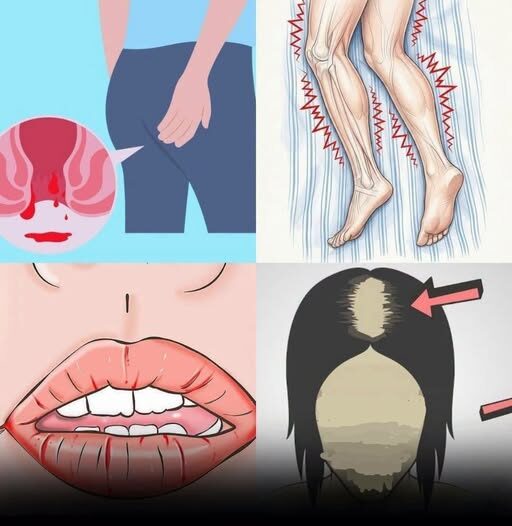
Vitamin B12 Deficiency Can Begin With Subtle Symptoms Many People Overlook
This Essential Nutrient Supports Red Blood Cells, Nerves, and Healthy DNA
Vitamin B12 plays an important role in several essential processes throughout the body.
It helps support the production of healthy red blood cells, contributes to proper nerve function, and assists the body in maintaining healthy DNA.
Because the human body cannot produce vitamin B12 on its own, the nutrient must come from food or supplements.
For many people, dietary intake is enough to maintain healthy levels. For others, low intake or problems with absorption can lead to deficiency and a range of symptoms that may develop gradually.
Where Vitamin B12 Comes From
Vitamin B12 is found mainly in animal-based foods.
Common dietary sources include meat, fish, eggs, and dairy products.
People who regularly eat these foods may naturally receive vitamin B12 as part of their everyday diet.
However, individuals who avoid animal-based foods may need to pay closer attention to how they obtain this nutrient.
Vegetarians and Vegans May Need Fortified Foods or Supplements
Some vegetarians and vegans may have a higher risk of developing low vitamin B12 levels because many natural food sources come from animals.
For this reason, fortified foods or supplements may become important for people whose diets contain little or no meat, fish, eggs, or dairy products.
Simply avoiding animal-based foods does not automatically mean someone will become deficient, but it can make planning a reliable source of vitamin B12 more important.
Persistent Tiredness Can Be an Early Warning Sign
One of the earliest symptoms associated with low vitamin B12 is ongoing fatigue.
A person may feel unusually tired even after getting enough sleep or may notice that normal daily activities require more effort than before.
This can happen when the body has difficulty producing enough healthy red blood cells.
Red blood cells carry oxygen throughout the body, so when this process is affected, a person may begin to experience reduced energy and persistent weakness.
Fatigue Can Easily Be Mistaken for Something Else
Tiredness is a common symptom and can have many possible explanations.
People often blame fatigue on work, emotional stress, poor sleep, a busy schedule, or simply getting older.
Because vitamin B12 deficiency may develop slowly, the connection is not always obvious at first.
This is one reason early symptoms can sometimes go unnoticed for a long period.
Weakness May Develop Alongside Fatigue
Low vitamin B12 levels may also contribute to a general sense of weakness.
Someone who was previously able to complete ordinary activities comfortably may begin to tire more quickly.
Even relatively simple physical tasks can start to feel more demanding.
When weakness appears together with persistent fatigue, it may be worth discussing the symptoms with a healthcare professional rather than assuming they are simply caused by lack of rest.
Shortness of Breath Can Also Occur
Some people with low vitamin B12 levels experience shortness of breath.
This symptom can develop when the body’s ability to transport oxygen efficiently is affected by problems involving red blood cells.
A person may notice becoming winded more easily than usual during normal activity.
Because shortness of breath can have many different causes, it should not be assumed to result from vitamin B12 deficiency without appropriate medical evaluation.
Dizziness Is Another Possible Symptom
Dizziness may also occur as vitamin B12 levels become too low.
Some individuals may feel lightheaded or less steady than usual.
Like fatigue and weakness, dizziness is a broad symptom that can be associated with many different conditions.
Its presence alone does not confirm a vitamin deficiency, but it may become more meaningful when it appears alongside several other compatible symptoms.
Difficulty Concentrating May Develop Gradually
Vitamin B12 also supports normal nervous system function.
When levels are insufficient, some people notice changes in concentration or mental clarity.
Tasks that once felt straightforward may require more effort.
A person may find it harder to focus for long periods or may feel mentally slower than usual.
These changes are often easy to attribute to stress, fatigue, or poor sleep, which can delay recognition of the underlying problem.
Skin Changes May Become More Noticeable
As a deficiency becomes more significant, visible physical symptoms may appear.
Some people develop pale skin.
Others may notice a yellowish tone.
These changes may accompany the effects that low vitamin B12 can have on healthy red blood cell production.
Any unexplained change in skin color should be assessed in context with other symptoms rather than used by itself as evidence of deficiency.
A Sore Tongue or Mouth Discomfort Can Occur
Vitamin B12 deficiency can sometimes affect the mouth.
A sore or uncomfortable tongue may develop, and some individuals experience general mouth discomfort.
Because these symptoms can also result from other causes, they are easy to overlook.
When they appear alongside fatigue, weakness, numbness, or other compatible symptoms, they may provide an additional reason to check vitamin B12 levels.
Tingling and Numbness Can Signal Nerve Involvement
One of the more concerning symptoms associated with low vitamin B12 is tingling or numbness in the hands and feet.
These sensations may feel like pins and needles, reduced sensitivity, or an unusual numb feeling in the extremities.
This happens because vitamin B12 is important for healthy nerve function.
As deficiency progresses, nerve-related symptoms can become more noticeable.
Nervous System Symptoms Should Not Be Ignored
Changes involving sensation can be especially important because they suggest that low vitamin B12 may be affecting more than energy levels alone.
Someone experiencing persistent tingling or numbness should not automatically assume that vitamin B12 is the cause.
However, these symptoms are among the reasons a healthcare professional may consider testing vitamin levels as part of a broader evaluation.
Early recognition can be important when nervous system symptoms are present.
Memory and Mood May Also Be Affected
Low vitamin B12 can influence mental and emotional functioning in some individuals.
Forgetfulness may become more noticeable.
Some people experience irritability, reduced focus, or slower mental processing.
These symptoms can be subtle and may overlap with many other everyday problems.
For that reason, changes in mood or memory should be considered alongside the person’s overall health and other physical symptoms.
Symptoms Can Build Slowly Over Time
Vitamin B12 deficiency does not always appear suddenly.
A person may first notice tiredness and only later develop weakness, concentration problems, mouth discomfort, or tingling sensations.
This gradual progression can make it difficult to identify exactly when the problem began.
People may adapt to feeling increasingly tired without realizing that their normal level of energy has changed.
A Blood Test Can Check Vitamin B12 Levels
The most direct way to determine whether vitamin B12 levels are low is through a blood test.
Symptoms alone are not enough to confirm a deficiency because many of the warning signs overlap with other medical conditions.
A healthcare professional can review symptoms, dietary habits, and test results together.
This helps determine whether low vitamin B12 is likely to be contributing to the problem.
Treatment Depends on Why Levels Are Low
There is no single treatment approach that is appropriate for every person with vitamin B12 deficiency.
The next step depends on why the deficiency developed.
For some people, dietary changes may be enough to increase intake.
Others may need oral vitamin B12 supplements.
In certain situations, injections may be prescribed by a healthcare professional.
Dietary Changes May Help Some People
When low intake is the main problem, adding reliable sources of vitamin B12 may help restore adequate nutrition.
Animal-based foods such as meat, fish, eggs, and dairy products are common natural sources.
For people who do not eat these foods, fortified alternatives may offer another option.
Supplements may also be used when diet alone does not provide enough vitamin B12.
Supplements Should Match Individual Needs
Vitamin supplements are widely available, but treatment should still reflect the reason for the deficiency.
Someone with a dietary shortfall may have different needs from a person whose body has difficulty absorbing vitamin B12.
This is why testing and professional guidance can be useful before assuming that one supplement plan will work for everyone.
In some cases, oral supplements are appropriate, while in others injections may be recommended.
Why Vitamin B12 Matters So Much
Vitamin B12 affects several systems at once.
Its role in red blood cell production helps the body move oxygen efficiently.
Its role in nerve function supports sensation, coordination, and normal communication throughout the nervous system.
It also contributes to healthy DNA maintenance.
Because these functions are so fundamental, deficiency can produce symptoms that appear in different parts of the body.
Small Symptoms Can Be Easy to Dismiss
Persistent tiredness may seem minor at first.
Occasional dizziness may be blamed on a busy day.
Difficulty concentrating may be attributed to poor sleep.
Tingling in the hands or feet may be ignored if it comes and goes.
But when several of these symptoms appear together or continue without a clear explanation, checking vitamin B12 levels may be worthwhile.
Awareness Can Help People Recognize a Possible Problem Earlier
Understanding the common signs of low vitamin B12 makes it easier to notice when ordinary fatigue may deserve a closer look.
Persistent tiredness, weakness, shortness of breath, dizziness, concentration difficulties, skin changes, mouth discomfort, tingling, numbness, forgetfulness, and irritability can all occur in people with deficiency.
None of these symptoms proves that vitamin B12 is low.
They are simply signals that may justify further evaluation, especially when several occur together.
The Key Is Confirming the Cause
Vitamin B12 deficiency can often be addressed once it is identified.
But the first step is determining whether it is actually present.
A blood test can provide the information needed to guide the next steps.
From there, treatment may involve changes in diet, oral supplements, or prescribed injections depending on individual circumstances.
Recognizing persistent symptoms and seeking appropriate medical assessment can help prevent a potentially correctable nutritional problem from going unnoticed.