
Study Suggests Nuts May Support Brain Activity and Cognitive Function
Exploring the Connection Between Nutrition and Brain Health
Nuts have long been recognized as nutrient-rich foods that contribute to overall health. They contain beneficial fats, vitamins, minerals, and antioxidants that support various functions throughout the body.
Recent scientific interest has also focused on how certain foods may influence brain health. Researchers continue to study how dietary choices affect cognition, learning ability, and memory.
A study conducted by researchers at Loma Linda University Health explored how regularly consuming nuts might influence brainwave activity associated with important mental processes.
The Study Behind the Findings
The research examined several commonly consumed nuts to better understand their potential effects on brain activity. The study focused on six varieties: almonds, cashews, peanuts, pecans, pistachios, and walnuts.
Each type of nut was evaluated for its nutritional components and its influence on brainwave patterns linked to cognitive function.
Researchers observed that all of the nuts studied contained significant levels of antioxidants. Antioxidants play an important role in protecting cells from damage caused by oxidative stress.
Among the varieties examined, walnuts showed the highest concentration of antioxidants.
Understanding Brainwave Activity
Brainwaves are patterns of electrical activity in the brain that occur during different states of thinking, learning, and rest.
Different types of brainwaves are associated with specific functions such as memory processing, attention, and sleep cycles.
The study measured several categories of brainwave activity, including gamma waves and delta waves, both of which are linked to important aspects of cognitive health.
By examining how different nuts influenced these patterns, researchers gained insight into how nutrition may support brain performance.
Pistachios and Gamma Wave Response
Among the nuts tested, pistachios were associated with the strongest gamma wave response.
Gamma waves are commonly connected with higher-level cognitive activities. These include learning, information processing, perception, and memory retention.
They are also associated with rapid eye movement during sleep, a phase believed to play a role in memory consolidation and mental recovery.
The observed response suggests that pistachios may contribute to brain processes that support learning and cognitive efficiency.
The Role of Walnuts and Antioxidants
Walnuts stood out in the study for their particularly high antioxidant levels.
Antioxidants are substances that help neutralize free radicals, which are unstable molecules that can damage cells over time.
Protecting brain cells from oxidative stress is considered an important factor in maintaining long-term cognitive health.
The presence of these compounds may explain why walnuts are often associated with benefits for both brain and heart health.
Peanuts and Delta Wave Activity
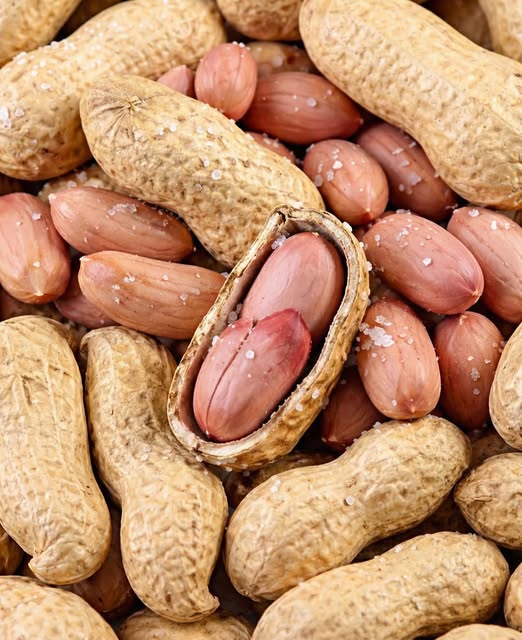
Peanuts were also included in the research even though they are technically classified as legumes rather than true nuts.
Because they are commonly grouped with nuts in everyday diets, researchers included them for comparison.
In the study, peanuts produced the highest delta wave response.
Delta waves are most commonly associated with deep sleep and restorative processes in the body.
This stage of sleep plays a role in physical recovery, immune support, and natural healing mechanisms.
A Broader Picture of Nutritional Benefits
The findings from this research align with previous studies that have explored the broader health benefits of nuts.
Many types of nuts contain heart-healthy fats, fiber, and essential nutrients that support cardiovascular health.
Some research has also suggested that regular nut consumption may help reduce inflammation and support metabolic health.
These combined effects make nuts a valuable component of balanced nutrition for many individuals.
Insights From the Research Team
The researchers involved in the study highlighted the significance of the findings in understanding how nutrition may influence brain function.
Dr. Lee Berk, associate dean for research at the School of Allied Health Professions at Loma Linda University Health, emphasized the importance of these results.
“This study provides significant beneficial findings by demonstrating that nuts are as good for your brain as they are for the rest of your body,” he said.
The statement reflects the growing interest in how diet can support both mental and physical well-being.
Including Nuts in a Balanced Diet
For many people, nuts are an easy addition to everyday meals and snacks. They can be eaten on their own or incorporated into salads, yogurt, oatmeal, or other dishes.
Because they are nutrient-dense foods, even small servings can provide meaningful amounts of beneficial nutrients.
Moderation is often recommended, as nuts are also relatively high in calories.
Choosing a variety of nuts can help provide a diverse range of nutrients that contribute to overall health.
Considerations for Individuals With Allergies
While nuts offer several potential nutritional advantages, they are not suitable for everyone.
Nut allergies affect a significant number of people and can cause serious reactions in some individuals.
For those with known allergies, it is important to avoid nuts and seek alternative foods that provide similar nutrients.
A healthcare professional can offer guidance on safe dietary options for individuals with food sensitivities.
The Importance of Ongoing Research
Scientific studies continue to explore how diet affects brain health and cognitive function.
Nutrition is only one of many factors that influence how the brain performs over time.
Physical activity, quality sleep, stress management, and overall lifestyle habits also play important roles in maintaining cognitive well-being.
Research examining the effects of specific foods helps expand the understanding of how these elements interact.
A Nutritional Approach to Supporting Brain Health
The study examining almonds, cashews, peanuts, pecans, pistachios, and walnuts highlights the potential connection between nut consumption and brain activity.
Each type of nut offers its own unique nutritional profile, including beneficial fats, antioxidants, and other compounds that support health.
While no single food can guarantee improved cognitive performance, incorporating nutrient-rich foods into a balanced diet may contribute to overall well-being.
As research continues to develop, foods like nuts remain an interesting area of study in understanding how nutrition may support brain health.