
The Rise of Modern Bidet Attachments and Their Return to Everyday Bathrooms
A Surprise Feature in a New Home
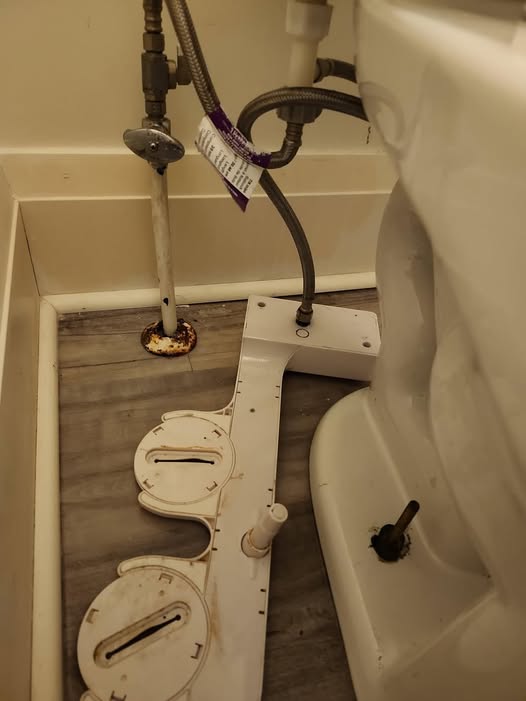
Anyone who has recently moved into a new home understands that unexpected discoveries often come with the transition. Among unfamiliar fixtures and hidden storage spaces, one addition may stand out immediately: a contemporary bidet attachment installed beside or beneath a standard toilet seat.
For many people, especially those who have not encountered one before, this device can appear unusual at first glance. Its sleek design and simple controls raise questions about its purpose and history.
What seems like a modern convenience is actually part of a much longer story connected to hygiene, plumbing innovation, and shifting cultural attitudes toward cleanliness.
The Historical Roots of the Bidet
Bidets have been present in homes for many decades, particularly throughout European countries and parts of Asia. In these regions, they have long been considered a normal and essential part of bathroom design.
Earlier versions were not attachments at all. Instead, they existed as separate, standalone fixtures positioned next to the toilet. These early bidets resembled small basins designed specifically for washing after using the toilet.
The concept behind them was simple yet effective. Rather than relying solely on toilet paper, individuals could cleanse themselves with water, providing a more thorough method of personal hygiene.
These standalone units often occupied additional bathroom space. In larger homes or more traditional layouts, this extra fixture was easily accommodated.
However, as living spaces became more compact and urban housing grew more common, bathroom size became an important consideration.
The Shift Toward Attachment Models
By the middle of the twentieth century, new solutions began to emerge. Plumbing systems evolved, and manufacturers started designing bidet models that could be integrated directly into existing toilets.
These bidet attachments gained popularity especially in areas where space was limited or where installing a separate unit was impractical. Instead of dedicating additional square footage to a standalone basin, homeowners could now install a compact device beneath the toilet seat.
This transition marked a significant moment in bathroom design. Hygiene could be improved without major renovation or extensive plumbing changes.
The convenience factor played a central role in the growing acceptance of these attachments. Installation was relatively straightforward, and they could be added to most standard toilets.
Design and Functionality
The contemporary bidet attachment discovered in many homes today represents a refined version of earlier models. It connects directly to the water supply and delivers a controlled stream for cleansing purposes.
Modern versions are engineered for ease of use. With simple knobs or levers, users can adjust water pressure and positioning according to personal comfort.
Unlike traditional toilet paper, which relies solely on dry contact, these devices use water to provide a fresher cleaning experience. This distinction has contributed significantly to their renewed popularity.
In addition to comfort, environmental considerations have influenced public perception. Since bidets rely on water rather than paper products, they can reduce the overall consumption of toilet paper.
Changing Attitudes Toward Hygiene
Throughout history, standards of cleanliness have evolved alongside technology. Practices once considered optional gradually became mainstream as societies gained access to improved sanitation systems.
The bidet is part of that broader narrative. While some cultures adopted water-based cleansing methods early on, others relied almost exclusively on paper products for generations.
Today, the renewed interest in bidet attachments reflects a growing awareness of hygiene efficiency and personal comfort. Many individuals who try them report that the experience feels cleaner and more refreshing.
The perception of luxury once associated with standalone bidets has shifted. What was once viewed as an upscale bathroom feature is now accessible through compact and affordable attachments.
From Luxury Fixture to Practical Upgrade
Standalone bidets were often associated with spacious, elegant bathrooms of the past. Their presence signaled attention to detail and a commitment to personal care.
However, modern attachments have transformed that perception. They provide similar functionality without requiring a separate fixture or extensive remodeling.
This practicality has played a major role in their comeback. Homeowners and renters alike can upgrade their bathrooms without altering the overall layout.
The adaptability of these attachments has broadened their appeal across different housing types, from small apartments to larger family homes.
Environmental Considerations
One of the key distinctions between bidet attachments and traditional toilet paper lies in resource usage. Toilet paper is manufactured from paper materials, requiring production, packaging, and transportation.
Bidet attachments, on the other hand, primarily use water for cleansing. While water usage is involved, many people view this method as a more sustainable approach compared to the consistent consumption of disposable paper products.
This environmental perspective has influenced purchasing decisions in recent years. As more households look for ways to reduce waste, bathroom habits have become part of that conversation.
The shift does not necessarily eliminate toilet paper entirely, but it can significantly reduce reliance on it.
Ease of Installation and Accessibility
Another reason for the growing presence of bidet attachments is their accessibility. Unlike traditional standalone units that required dedicated plumbing lines, attachments are designed to integrate with existing toilet systems.
This design makes them suitable for a wide range of living situations. Whether in older homes or newly constructed apartments, the installation process is generally straightforward.
Because they do not demand extensive structural changes, they are especially appealing to individuals who want to improve hygiene without undertaking costly renovations.
The ability to install and remove them with relative ease further increases their practicality.
A Modern Return to Traditional Practices
Although bidet attachments may appear modern, the underlying principle is not new. The idea of using water for cleansing after toilet use has existed for generations in many parts of the world.
In that sense, today’s attachment models represent a return to traditional hygiene practices rather than a completely new invention.
The difference lies in convenience and compact design. Technology has adapted the original concept to fit contemporary living spaces and modern plumbing standards.
This combination of tradition and innovation explains their continued relevance.
Integration Into Contemporary Bathrooms
In current bathroom design, efficiency and minimalism often guide decisions. Space-saving fixtures and multipurpose installations are highly valued.
Bidet attachments align with this trend. They add functionality without increasing clutter or requiring additional fixtures.
As awareness spreads, more homeowners are choosing to incorporate them into renovation plans or include them when furnishing new properties.
What once might have been considered unfamiliar is gradually becoming part of everyday bathroom setups.
The Ongoing Evolution of Hygiene Solutions
The presence of a bidet attachment in a newly acquired home may initially seem surprising. Yet its existence reflects decades of development in sanitation technology.
From standalone basins positioned beside toilets to compact devices mounted directly beneath seats, the evolution has focused on improving cleanliness and convenience.
As living spaces continue to adapt and environmental awareness grows, bathroom fixtures will likely keep evolving as well.
The contemporary bidet attachment stands as an example of how traditional practices can be reimagined to suit modern lifestyles while maintaining their core purpose.
For many who encounter one for the first time, the device becomes less of a curiosity and more of a practical addition to daily routines.
Its history, stretching back through decades of use in various regions, demonstrates that innovations in hygiene often build upon longstanding customs rather than replacing them entirely.
In this way, the modern bidet attachment is both a revival and a refinement of a practice rooted in the ongoing pursuit of cleanliness and comfort.