
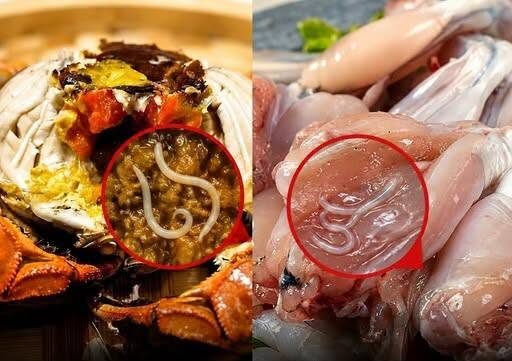
Foodborne Parasites: Which Foods Carry Risks and How Proper Preparation Helps Keep Meals Safe
Simple Food Safety Habits That Reduce the Risk of Parasites in Everyday Meals
The food on an ordinary dinner plate is generally more likely to cause illness because of poor handling, unsafe storage, or inadequate cooking than because of a hidden parasite. Even so, parasitic contamination is a genuine food safety concern that should not be completely ignored.
Some foods can carry organisms capable of infecting humans when they are eaten raw, undercooked, improperly cleaned, or obtained from unreliable sources. Understanding those risks makes it easier to prepare meals safely without becoming unnecessarily afraid of common ingredients.
Modern inspection systems, refrigeration, freezing, sanitation, and careful cooking have made many foods safer than they were in the past. For most people, a few consistent precautions can greatly reduce the possibility of exposure while still allowing them to enjoy fish, meat, vegetables, and specialty dishes.
Why Food Safety Deserves as Much Attention as Nutrition
People often evaluate food by considering calories, carbohydrates, protein, fat, vitamins, and minerals. Those factors matter, but the way food is grown, transported, stored, cleaned, and prepared is equally important.
Parasites are living organisms that may contaminate food or water during farming, harvesting, processing, or preparation. Some spend part of their life cycle in animals, fish, plants, soil, or water before reaching humans through contaminated food.
Unlike many bacteria, parasites do not usually become dangerous because they multiply rapidly in a meal left at room temperature. The main concern is that an organism already present in an ingredient may survive when the food is not washed, frozen, or cooked correctly.
Parasitic infections are less common in places with strong sanitation, inspection, and food safety systems. However, they continue to occur around the world, particularly when people consume raw animal products, untreated water, wild foods, or ingredients prepared under uncertain conditions.
The effects of an infection depend on the organism involved. Some cases may cause temporary digestive discomfort, while others can affect the intestines, muscles, liver, or additional parts of the body.
Fortunately, many of these risks are preventable. Thorough cooking, appropriate freezing, careful cleaning, safe refrigeration, and responsible sourcing can stop parasites from reaching the body.
Raw Fish Requires Careful Sourcing and Preparation
Sushi, sashimi, poke, and ceviche have become popular choices in many countries. These dishes can be prepared safely, but fish intended for raw consumption requires more careful handling than seafood that will be fully cooked.
Certain fish may carry parasites such as roundworms, tapeworms, or liver flukes. The type of risk can vary depending on the fish species, the water where it lived, and the way it was handled after being caught.
Commercial suppliers that sell fish for raw dishes generally use controlled processing methods. Freezing is especially important because it can destroy many parasites before the product is served.
Restaurants that specialize in sushi and similar foods usually purchase seafood that has been prepared specifically for raw consumption. Reliable establishments also maintain temperature controls, sanitary work areas, clean utensils, and careful storage practices.
The risk may be greater when someone eats a recreational catch without knowing whether the species is suitable for raw preparation. A fish that appears fresh is not automatically free from parasites.
Freshness and parasite safety are separate issues. A recently caught fish may still contain an organism that cannot be seen during ordinary cleaning or filleting.
Anyone preparing raw seafood at home should obtain it from a dependable seller and follow appropriate freezing and handling procedures. Fish from unknown sources should not be assumed safe simply because it looks clean or smells fresh.
Frog Meat Must Be Cooked Completely
Frog legs are eaten as a specialty dish in various parts of the world. They can be enjoyed safely when they come from a licensed supplier and are handled and cooked correctly.
Like other animals, frogs can carry parasites or bacteria. The danger becomes more significant when the meat is eaten raw, lightly cooked, or prepared in an area where raw juices can contaminate other foods.
Proper cooking destroys parasites and greatly lowers the possibility of foodborne illness. The meat should be heated thoroughly rather than judged only by its color or exterior appearance.
Sourcing also matters. Products sold through inspected and regulated suppliers are generally safer than frog meat obtained from unknown vendors or gathered from uncontrolled environments.
Preparation surfaces, knives, plates, and hands should be cleaned after contact with raw frog meat. Cooked food should never be returned to the same unwashed plate that held the raw product.
Snails Need Cleaning and Thorough Cooking
Snails have been part of traditional diets for centuries, and dishes such as escargot are served in many professional kitchens. Their long culinary history does not mean that raw snails are safe to consume.
Land and freshwater snails can carry parasites that may cause illness in humans. Proper preparation is therefore essential before they are eaten.
Professional kitchens typically follow a controlled cleaning and cooking process. This helps remove contamination and ensures that the snails are exposed to sufficient heat.
People preparing snails at home should never eat them raw or only lightly cooked. They should also avoid using snails collected from uncertain areas unless they understand the necessary safety procedures.
Cooking temperature is only one part of protection. Clean handling, dependable sourcing, and preventing contact between raw ingredients and ready-to-eat foods are also important.
Fresh Water Chestnuts Can Carry an Overlooked Risk
Water chestnuts may not immediately come to mind when people think about foodborne parasites. However, fresh aquatic plants can be exposed to organisms living in flooded environments.
In areas where sanitation or irrigation controls are limited, eating raw aquatic plants may increase the possibility of infection. Contaminated water can expose the outer surface of the plant to parasites during growth or harvesting.
Fresh water chestnuts should be washed carefully to remove visible soil and surface contamination. Their outer skin should also be peeled away before they are eaten or cooked.
Cooking provides an additional level of protection, especially when the origin of the produce is uncertain. Heat can make the ingredient safer than serving it raw.
Commercially packaged water chestnuts are generally processed under controlled food safety conditions. They usually present less risk than plants collected directly from ponds, marshes, or other natural waterways.
Consumers should still check packaging, storage instructions, and expiration information. A processed product can become unsafe if its container is damaged or if it is stored incorrectly after opening.
Beef Risks Depend on the Cut and Preparation Method
Beef is commonly served at different levels of doneness, ranging from rare to well done. Whole cuts obtained from reputable suppliers generally carry a lower parasite risk than several other meats, but careful preparation remains necessary.
Parasites have historically been connected to undercooked beef in some regions. Improved livestock management, inspection systems, and commercial processing have reduced those dangers in many places.
Whole steaks and ground beef should not be treated as if they carry identical risks. On a whole cut, contamination is more likely to remain near the surface, where direct heat can destroy it during cooking.
Grinding changes the situation. Organisms that were originally on the outside of the meat can become mixed throughout the product.
For that reason, ground beef requires thorough cooking through the center. A browned exterior does not confirm that the entire portion has reached a safe temperature.
A food thermometer offers a more dependable way to evaluate doneness than appearance alone. Color, texture, and cooking time can vary depending on the thickness of the meat and the method used.
Raw beef should also be kept separate from salads, bread, cooked foods, and ingredients that will not receive additional heat. Hands and utensils should be washed before touching anything else.
Other Foods That Require Additional Attention
Parasite concerns are not limited to fish, frogs, snails, water chestnuts, and beef. Several other foods deserve careful handling and complete cooking.
Raw or undercooked pork can carry organisms such as Trichinella or tapeworms in some parts of the world. Proper livestock practices have reduced the risk in many regions, but undercooking remains an unnecessary hazard.
Freshwater fish caught recreationally may not have gone through inspection or commercial freezing. It should be cooked carefully unless safe raw preparation procedures are fully understood.
Wild game can also carry parasites. Hunters and home cooks should take extra care during field dressing, storage, cutting, and cooking.
Fruits and vegetables may become contaminated when grown in unsafe soil or washed with unclean water. Thorough rinsing helps remove dirt and lowers the chance of consuming organisms attached to the surface.
Untreated water from lakes, rivers, or streams should not be considered safe simply because it appears clear. Parasites and other harmful organisms can be present without changing the water’s color, smell, or taste.
Everyday Food Handling Offers the Strongest Protection
Preventing parasitic infections does not require eliminating large groups of foods from the diet. The most effective defense is a routine built around careful purchasing, storage, cleaning, and cooking.
Food should be purchased from reputable stores, restaurants, and suppliers. Reliable businesses are more likely to follow inspection, refrigeration, processing, and sanitation requirements.
Produce should be washed before eating or cutting. Even fruits with peels can transfer contamination from the outer surface to the edible portion when sliced.
Raw meat and seafood should be kept apart from cooked food. Separate cutting boards and utensils can help prevent cross-contamination in the kitchen.
Refrigeration should begin promptly after shopping or serving. Perishable ingredients should not remain in warm conditions longer than necessary.
Cooking meat and seafood to recommended internal temperatures is one of the most dependable safety measures. A clean food thermometer can help confirm that heat has reached the center of the product.
Kitchen surfaces, knives, plates, and hands should be washed after contact with raw ingredients. These habits reduce parasite risks while also protecting against bacterial and viral foodborne illnesses, which occur more frequently.
Symptoms Can Vary and May Be Delayed
The signs of a parasitic infection depend on the organism, the amount consumed, and the part of the body affected. Symptoms may begin within days, but some can take weeks or months to appear.
Possible warning signs include persistent abdominal pain, diarrhea, nausea, vomiting, fatigue, unexplained weight loss, appetite changes, or fever. A person may experience only one symptom or a combination of several.
These problems are not unique to parasites. Many infections, digestive conditions, medications, and dietary changes can produce similar effects.
Prolonged symptoms deserve medical evaluation, particularly when they begin after eating raw or undercooked food. Recent travel to an area where food or water sanitation is less reliable may also be relevant.
Early evaluation can help identify the real cause and guide appropriate care. Attempting to diagnose a parasite based only on general digestive symptoms can lead to unnecessary fear or delayed treatment for another condition.
Awareness Is More Useful Than Alarm
Foodborne parasites are real, but they should be viewed in perspective. For most consumers living within modern food safety systems, the chance of infection from an everyday meal remains relatively low.
Inspection programs, commercial freezing, reliable refrigeration, controlled processing, and proper cooking all help limit exposure. Personal kitchen habits provide another important layer of protection.
The goal is not to avoid every food that could theoretically carry a parasite. It is to recognize which ingredients need extra attention and prepare them responsibly.
Raw fish should come from trusted suppliers, frog meat and snails should be fully cooked, fresh water chestnuts should be washed and peeled, and meat should be handled with care. Wild foods and untreated water require additional caution because they may not have passed through standard safety controls.
Knowledge allows people to enjoy a varied diet without unnecessary panic. By selecting reliable products, keeping the kitchen clean, preventing cross-contamination, and using appropriate cooking methods, consumers can greatly reduce an already manageable risk.
Parasites deserve sensible precautions, not sensational fear. Safe sourcing and consistent food handling remain the strongest tools for protecting health while continuing to enjoy a wide range of nutritious and flavorful meals.