
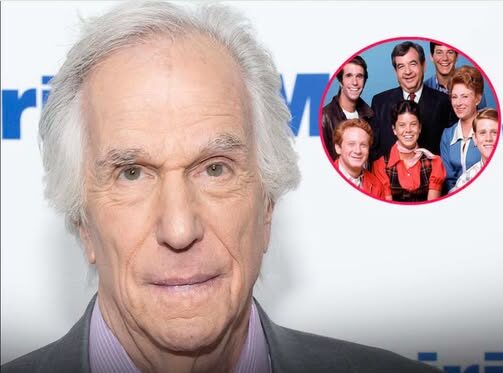
Henry Winkler Reveals the One Happy Days Guest Star Who Let Fame Go to His Head
The Actor Says the Beloved Sitcom’s Cast Avoided Celebrity Egos—With One Memorable Exception
For millions of viewers, Happy Days represented warmth, friendship, family, and uncomplicated television fun.
The popular ABC sitcom introduced audiences to memorable characters, a nostalgic 1950s setting, and Arthur “Fonzie” Fonzarelli, the effortlessly cool mechanic played by Henry Winkler.
Behind the laughter and the famous leather jacket, however, the set was not completely free from tension.
Winkler recently recalled that one recurring guest actor appeared to become overly impressed by his growing popularity—behavior the television legend was unwilling to encourage.
Happy Days Became a Television Phenomenon
Premiering in 1974, Happy Days became one of the most recognizable American sitcoms of its era.
The series followed the Cunningham family and their friends while presenting an idealized version of life in Milwaukee during the 1950s and early 1960s.
At the height of its success, the show reportedly attracted tens of millions of viewers each week.
Its characters became household names, and Fonzie developed into one of the most famous television personalities of the decade.
Despite the enormous attention surrounding the program, Winkler says the principal cast members generally avoided behaving like individual stars.
Henry Winkler Says the Cast Worked as an Ensemble
During a July 11 appearance at Fanboy Expo Knoxville, Winkler joined former castmates Anson Williams and Don Most for a discussion about the classic sitcom.
Winkler explained that the atmosphere on set was built around teamwork rather than competition.
“The truth of the matter is really on our set, there was no stardom,” Winkler said.
“We were an ensemble. We worked hard at making it funny every week.”
That philosophy helped the cast remain focused even as the series became a cultural phenomenon.
According to Winkler, however, one recurring guest actor did not seem to share the same attitude.

A Guest Actor Kept Talking About His Fan Mail
Winkler remembered an actor who initially appeared as a guest star and was later invited back for several additional episodes.
As his role gained attention, the performer apparently began discussing how much fan mail he received.
Winkler found the repeated comments inappropriate for a set where the cast deliberately avoided measuring one another’s celebrity.
“One guy came on as a guest star, and then he was brought back a few times. And he would mention his fan mail,” Winkler recalled.
He responded by putting the numbers into perspective.
“And I said, ‘You don’t wanna talk to me about fan mail. I got 50,000 letters a week.’”
Winkler Did Not Want Popularity to Become a Competition
Winkler’s response was not intended simply to boast about his own enormous following.
He wanted to demonstrate why discussing fan-mail totals could quickly become unhealthy on a successful ensemble series.
Fonzie had become a cultural sensation, and Winkler could easily have used that popularity to dominate the set.
Instead, he says the cast tried to treat the production as a shared effort.
“We don’t talk about that on the set. We are all here as one,” Winkler told the actor.
The message was clear: everyone had been hired to make the show work, not to compare levels of fame.
The Warning Apparently Did Not Work
According to Winkler, the guest performer continued bringing up his fan mail despite being asked to stop.
The repeated behavior left a lasting negative impression.
Winkler described him using a blunt term, saying, “And he kept doing it, and he was an assback.”
He initially avoided identifying the actor directly.
Instead, Winkler offered the audience a significant clue.
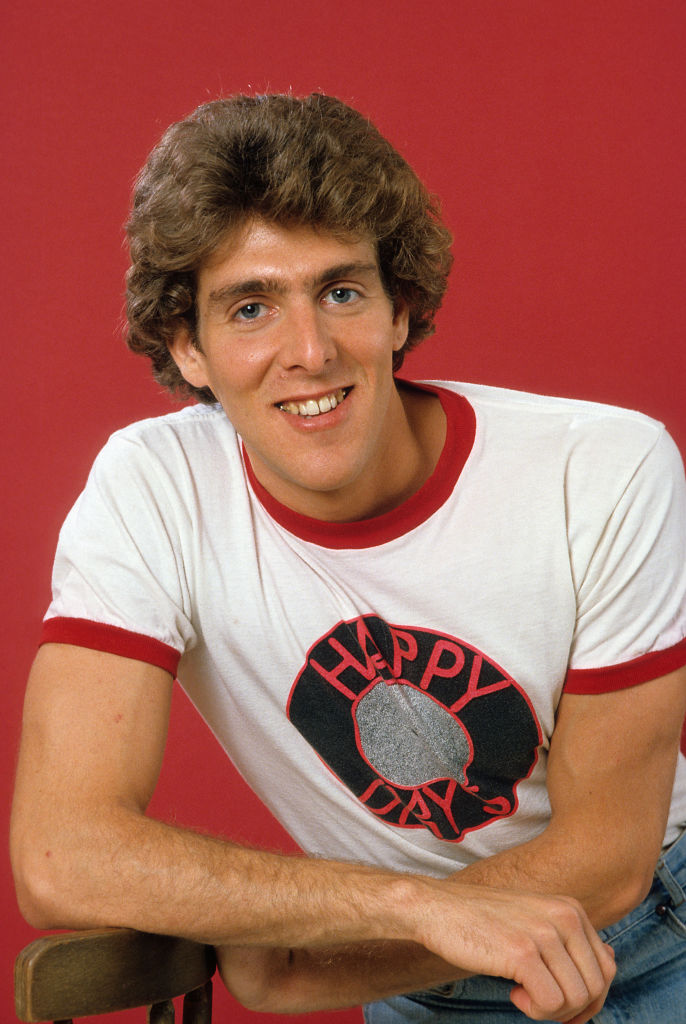
“He played Eugene.”
The Clue Appears to Point to Denis Mandel
Longtime fans of Happy Days quickly connected the clue to actor Denis Mandel.
Mandel played Eugene Belvin, a recurring character who appeared in 10 episodes during the eighth and ninth seasons of the sitcom.
His appearances aired between 1980 and 1982.
Eugene was one of the younger characters introduced during the later period of the series.
After Happy Days, Mandel appeared in other television productions, including Knots Landing and Homefront, before eventually moving away from acting.
Reports indicate that attempts have been made to obtain his response to Winkler’s comments, but no public reply has been reported.
Fonzie’s Popularity Could Have Created a Very Different Set
Winkler’s story is notable because few television characters have achieved the level of recognition Fonzie enjoyed.
The character’s expressions, clothing, mannerisms, and signature gestures became part of popular culture.
Fonzie was initially intended to have a much smaller role, but the audience response transformed him into one of the program’s central figures.
That success could easily have created resentment or encouraged Winkler to behave as though the show belonged entirely to him.
Instead, he has repeatedly emphasized the collaborative nature of the cast.
The Cast Focused on Making Each Episode Work
Producing a weekly sitcom required cooperation among actors, writers, directors, crew members, and studio personnel.
Winkler’s description of the set suggests that the principal cast understood how quickly ego could damage that process.
Actors needed to support one another’s timing, reactions, and performances.
A successful scene depended on more than the person delivering the biggest line.
By treating the show as an ensemble, the cast could concentrate on creating entertaining episodes rather than competing for attention behind the scenes.
Winkler Has Often Spoken Fondly of Ron Howard
Although the guest actor left a negative impression, Winkler has frequently praised many of his other Happy Days colleagues.
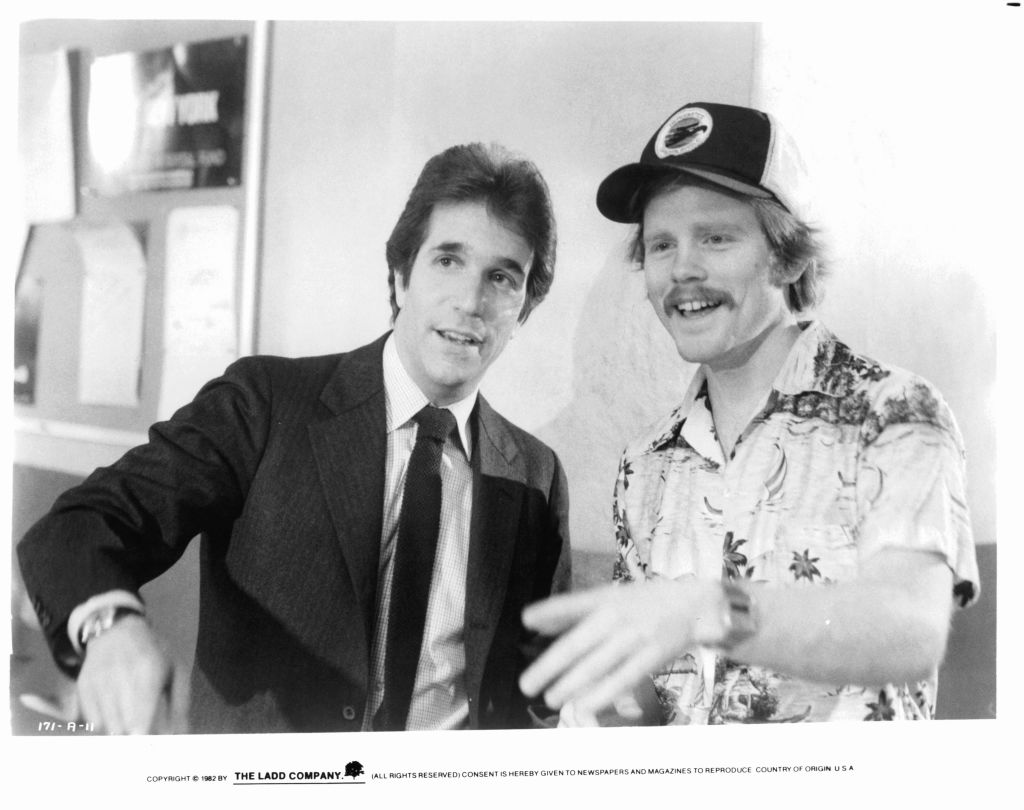
He has spoken particularly warmly about Ron Howard, who played Richie Cunningham.
Howard was already an experienced performer when the show began, despite still being a young man.
Winkler recalled one moment when Howard demonstrated maturity and emotional intelligence during a difficult scene.
Ron Howard Quietly Corrected Him
Winkler said he was struggling with a scene and became visibly frustrated.
He began hitting his script in anger.
Howard noticed the reaction and approached him privately rather than embarrassing him in front of the cast and crew.
“I was having trouble with a scene. I started punching my script,” Winkler recalled.
Howard placed an arm around him and walked him toward the back of the soundstage.
He then reminded Winkler that the writers were working hard and that striking the script could feel disrespectful to their effort.
The Advice Stayed With Winkler
Howard’s calm correction had an immediate impact.
Winkler promised that he would never again hit a script out of frustration.
“I said, ‘Ron, I will never hit my script as long as I live,’” Winkler recalled.
He continued by praising Howard’s natural wisdom.
“And he is, and was, even at that tender age, so wise. He just is easy, he just kind of goes through life and he’s an amazing fellow.”
The incident illustrates the kind of mutual respect Winkler valued on the set.
Ron Howard Later Became an Acclaimed Director
Howard eventually left Happy Days and built one of the most successful directing careers in Hollywood.
His later achievements did not surprise colleagues who had already witnessed his thoughtfulness and understanding of the production process.
Even as a young actor, he appeared sensitive to the work being done behind the camera.
His private conversation with Winkler showed an ability to correct someone without humiliating them.
That approach stood in sharp contrast to the competitive behavior Winkler described from the recurring guest performer.
Respect Mattered More Than Status
Winkler’s recollections reveal a clear distinction between confidence and ego.
The principal actors understood they were part of an enormously successful show.
They did not need to pretend that the fame did not exist.
However, they apparently tried to prevent popularity from becoming the basis for deciding who deserved respect.
Fan-mail totals, magazine covers, and audience reactions were not supposed to determine the atmosphere on the soundstage.
Fan Mail Was Once a Major Measure of Television Fame
Before social media allowed viewers to communicate instantly with celebrities, fan mail served as an important indicator of popularity.
Television stars could receive thousands of handwritten letters each week.
For a young or recurring actor, receiving large amounts of mail could feel like proof that a character had connected with viewers.
Winkler’s reported total of 50,000 letters a week demonstrates the extraordinary level of attention surrounding Fonzie.
That scale also explains why he had little interest in turning fan correspondence into a competition.
Fonzie Became Bigger Than Anyone Expected
Arthur Fonzarelli began as a supporting character, but audiences quickly responded to his confidence, humor, and hidden vulnerability.
Fonzie could appear intimidating while still displaying loyalty and compassion toward the Cunningham family.
Winkler’s performance gave the character emotional depth beyond the familiar leather jacket and cool exterior.
As Fonzie’s popularity increased, the show gradually placed him at the center of more stories.
Winkler became internationally recognized, yet he says the cast continued operating as a team.
The Series Survived Major Cast Changes
Happy Days remained on television for 11 seasons and experienced several creative and cast transitions.
As original characters departed and younger performers joined, maintaining a cooperative environment became increasingly important.
Recurring guest actors were entering a show with an established identity and an already famous ensemble.
Winkler’s comments suggest that anyone who treated a temporary rise in attention as proof of superiority risked disrupting the culture built by the longtime cast.
Winkler’s Remarks Drew Attention Because He Rarely Sounds Bitter
Henry Winkler has developed a reputation as one of Hollywood’s most gracious and approachable performers.
He frequently speaks with gratitude about his career and praises the people who helped him along the way.
That reputation made his blunt criticism of the former guest actor especially noticeable.
The story appears to have remained memorable because the behavior violated the cooperative principles Winkler believed were important.
Success Did Not Eliminate Insecurity
Even on a hit television program, actors could feel pressure to prove that viewers noticed them.
A recurring performer receiving fan mail might have seen those letters as evidence that the role could become larger.
Discussing that attention repeatedly, however, could create resentment or make colleagues feel that the person was turning shared success into personal competition.
Winkler’s reaction showed that he preferred to stop that dynamic before it affected the production.
The Difference Between Private Pride and Public Boasting
There is nothing inherently wrong with an actor feeling proud that viewers appreciate a performance.
The problem arose when that pride was repeatedly announced in a workplace where everyone was contributing to the same show.
Winkler appears to have viewed the comments as unnecessary boasting.
His reminder about receiving far more mail was meant to show that someone else could always claim a larger number.
Continuing that comparison would lead nowhere useful.
Ron Howard Modeled the Opposite Behavior
Howard’s interaction with Winkler offered another approach to workplace tension.
Rather than displaying superiority, he responded to frustration with empathy.
He guided Winkler aside and calmly reminded him that writers deserved respect.
The correction was quiet, direct, and constructive.
Instead of creating embarrassment, Howard helped Winkler recognize how his reaction might affect others.
Winkler Still Values the Lesson Decades Later
The fact that Winkler continues repeating Howard’s advice demonstrates how deeply the moment affected him.
It became more than a comment about handling a script.
It represented respect for every person involved in making a television production.
Actors performed the material, but writers created the scenes and dialogue under significant pressure.
Showing frustration was understandable. Directing that frustration toward the work itself could feel dismissive of the people responsible for it.
Friendships From the Series Endured
Winkler has remained connected to several former Happy Days cast members long after the series ended.
Convention appearances and reunion panels allow them to share stories from the program’s production and reflect on its lasting cultural impact.
The warmth visible between Winkler, Williams, Most, and Howard supports his description of an ensemble that generally avoided destructive competition.
Those relationships became part of the show’s legacy.
The Program Remains Important to Fans
More than five decades after its premiere, Happy Days continues to attract viewers through reruns, streaming, and nostalgia-focused events.
Its characters remain recognizable even to people born long after the original broadcasts.
Fans attend conventions to hear behind-the-scenes stories and learn what the cast experienced while making the series.
Winkler’s account offers a reminder that even television programs associated with comfort and happiness could contain difficult personalities and tense moments.
Winkler Continues Working at 80
Henry Winkler has remained active in entertainment decades after Fonzie made him famous.
His career expanded into film, television, producing, directing, and writing.
He introduced himself to new generations through roles far removed from the confident mechanic who defined his early career.
Winkler has said he does not seriously consider retirement because he remains happy both at home and while working.
He Still Feels Grateful to Be Invited
Winkler has described his continued career as something he never takes for granted.
“It never occurred to me [to retire] because I am so happy in my house with [my wife] Stacey and our children and our grandchildren, and I am so happy when I am working,” he previously explained.
For him, professional fulfillment and family life do not appear to compete with one another.
Both provide reasons to remain active and grateful.
He Is Still Living the Dream He Had as a Young Actor
Winkler continues to express amazement that he is able to work in the profession he dreamed about.
“When I’m doing what I dreamed of doing, and I still get to do it. I still get to be at the table. That is an amazement to me. I am not kidding. I don’t take it for granted,” he said.
That attitude may help explain why arrogance on the Happy Days set bothered him so deeply.
Winkler viewed success as an opportunity to appreciate, not proof that one person stood above everyone else.
A Career Built on More Than One Famous Character
Although Fonzie remains one of television’s most iconic roles, Winkler worked hard to avoid being permanently limited by the character.
He gradually built a wide-ranging career that demonstrated his ability to play comedy, drama, and eccentric supporting roles.
Later audiences discovered him through programs and films that had little resemblance to Happy Days.
His longevity strengthened his reputation as both a talented performer and a respected colleague.
The Real Lesson Behind the Fan-Mail Story
Winkler’s story is not simply gossip about a former castmate.
It offers a broader lesson about what happens when professional success becomes a competition for validation.
Every actor on a popular series may receive different levels of attention.
The production works only when those differences do not destroy mutual respect.
Winkler’s enormous popularity gave him every opportunity to behave like the unquestioned star.
Instead, he says the cast attempted to remain united.
Fame Can Reveal Character
Success does not affect everyone in the same way.
Some people become more grateful when opportunities grow.
Others begin treating attention as evidence that they deserve special status.
Winkler’s recollection suggests that the recurring guest actor allowed a relatively small amount of recognition to influence how he behaved around the established cast.
The result was not admiration but lasting irritation.
Humility Helped Preserve the Show’s Chemistry
The chemistry among the regular cast members became one of the reasons viewers returned each week.
Richie, Fonzie, Ralph, Potsie, and the Cunningham family felt connected because the actors understood how to support one another.
That sense of community would have been difficult to maintain if every performer treated the series as a personal contest.
Winkler’s comments suggest the cast protected that atmosphere intentionally.
One Uncomfortable Memory Among Many Positive Ones
The incident involving the guest actor stands out because it appears to have been unusual.
Winkler’s broader memories of Happy Days are often filled with affection, gratitude, and praise for his colleagues.
He continues attending events with former cast members and speaking proudly about the work they created together.
The negative experience did not define his time on the series.
It became an exception that reinforced why humility mattered so much.
The Cast Understood That No One Makes a Hit Alone
A successful sitcom depends on far more people than audiences see onscreen.
Writers, camera operators, costume designers, editors, set builders, directors, producers, and many others contribute to every episode.
Winkler’s respect for the ensemble extended to those departments as well.
Howard’s reminder about the writers showed that the cast’s behavior could affect people throughout the production.
Why the Story Still Resonates
Workplace ego is not unique to Hollywood.
People in many professions have encountered colleagues who turn recognition into competition or use small achievements to claim greater importance.
Winkler’s response was direct.
He acknowledged the reality of unequal fame while insisting that it should not control the working environment.
Everyone was there to create something together.
Henry Winkler Still Represents the Values He Defended
Today, Winkler remains admired not only for his performances but also for his warmth and humility.
He often treats fans with patience, speaks openly about personal challenges, and credits others for helping shape his life and career.
Those qualities make the fan-mail story consistent with the values he continues expressing.
Success, in his view, should deepen gratitude rather than create entitlement.
The Lasting Legacy of Happy Days
Happy Days became a defining television series because audiences cared about its characters and believed in their friendships.
The program’s optimistic tone concealed the hard work required to produce comedy every week.
According to Winkler, that work was supported by a cast that generally refused to allow stardom to divide them.
One guest actor may have tested that principle, but the ensemble’s stronger culture endured.
Winkler’s Message Remains Simple
Fan mail, ratings, applause, and public attention can disappear.
The way someone treats colleagues is more likely to be remembered.
Henry Winkler received levels of fame that few actors ever experience, yet the lesson he carried forward from Happy Days was not about being the biggest star.
It was about respecting the ensemble, appreciating the writers, and remembering that everyone was working toward the same goal.
More than 50 years later, that may be one of the most valuable stories to emerge from behind the jukebox, leather jacket, and laughter of Happy Days.