
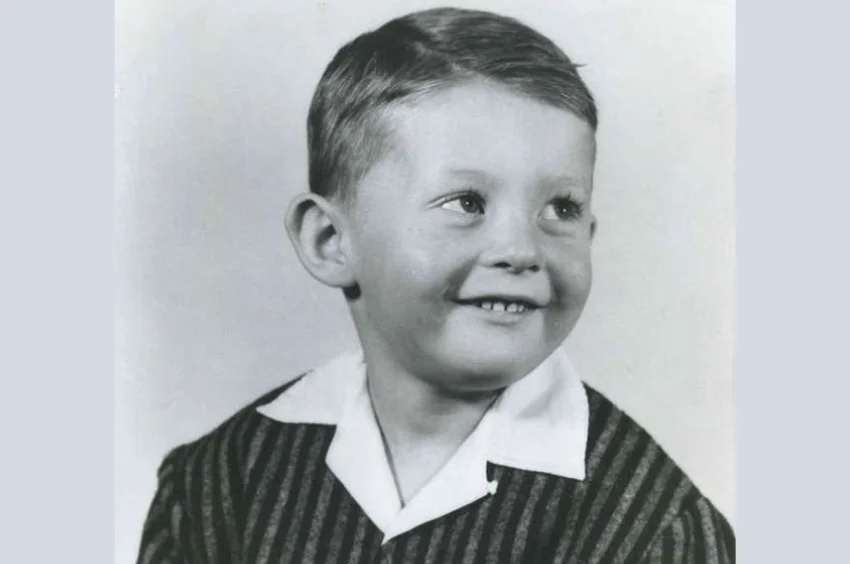
Chevy Chase Documentary Revisits Troubled Childhood and Family Struggles
New Documentary Explores the Personal Life of Chevy Chase
A newly released documentary centered on the life and career of Chevy Chase is generating fresh discussion after the comedian opened up about painful experiences from his childhood and family life.
The film, titled I’m Chevy Chase and You’re Not, premiered on CNN’s streaming platform on Jan. 1 and takes a closer look at the actor’s upbringing, career, and personal relationships over the years.
Throughout the documentary, Chase and several people close to him describe a difficult home environment marked by emotional tension, strict discipline, and allegations of physical abuse during his early years.
The project combines interviews with family members, longtime acquaintances, and Chase himself, creating a portrait of a childhood that many participants describe as unstable and emotionally challenging.
Early Childhood Marked by Family Changes
Chevy Chase’s childhood changed significantly after his parents divorced when he was around four years old.
Following the separation, both of his parents remarried, introducing new family dynamics that would later become a major focus of the documentary.
Chase has described his stepfather, John Cederquist, as a strict and emotionally distant presence within the household.
Several people interviewed for the film claim that discipline inside the home could become severe and unpredictable.
Accounts presented in the documentary suggest that physical punishment was not uncommon during Chase’s upbringing.
Friends and relatives recall an atmosphere where tension could escalate quickly, leaving a lasting emotional impact on the children in the household.

Family Members Recall Harsh Discipline
One of the most personal moments in the documentary comes from Chase’s wife, Jayni Chase, who remembered a conversation early in their relationship.
She said Chase once explained that he would instinctively recoil whenever someone tried to wake him up suddenly.
He reportedly told her that as a child he had frequently been struck while waking up, causing him to develop a defensive reaction that stayed with him into adulthood.
The documentary also includes stories from relatives and family friends who recall strict punishments during Chase’s childhood.
Some accounts describe children being isolated or confined after school-related problems or disciplinary incidents.
His brother, Ned, also appears in the film and shares memories of severe discipline that he says occurred during their younger years.
Participants in the documentary describe a household environment where fear and uncertainty often shaped everyday life.
Reflections on His Mother and Home Life
The film also examines Chase’s relationship with his mother, Cathalene Browning.
People interviewed for the documentary describe her as someone who faced major personal difficulties that affected the atmosphere inside the home.
Chase speaks about his mother with a mixture of criticism and understanding while reflecting on the instability he experienced growing up.
He suggests that her behavior contributed to an emotionally difficult environment that left lasting effects on him and his family.
The documentary presents these reflections as part of a broader attempt to understand how his early experiences shaped his personality later in life.
Rather than focusing solely on his fame and comedy career, the film spends significant time examining the emotional foundations of his upbringing.

Struggles Extended Beyond the Home
In comments referenced within the documentary and related interviews, Chase discussed how the conditions at home affected other parts of his life, including school.
He indicated that the stress and instability he experienced made it difficult to focus academically.
Those challenges reportedly contributed to struggles in the classroom during his younger years.
Chase also suggested that the physical punishment he endured may have been more severe than many people previously realized.
He described repeated incidents involving physical force during his childhood, adding to the documentary’s broader examination of family conflict.
The film presents these experiences as deeply connected to the emotional and behavioral patterns that later appeared throughout his public life and career.
A Household Defined by Tension
One sequence described in the documentary centers on a breakfast confrontation involving Chase, his brother, and their stepfather.
Family members characterize the incident as an example of the volatility that often existed inside the home.
According to those recounting the memory, tensions escalated quickly during the exchange, reflecting the unstable environment described throughout the film.
While many stories in the documentary focus on hardship, Chase also speaks about the importance of his relationship with his brother during those years.
He acknowledges moments when his brother offered support and companionship during difficult periods in childhood.
Those experiences are portrayed as meaningful sources of comfort amid the broader struggles within the household.

Comedy as a Coping Mechanism
The documentary also explores the possibility that Chase’s well-known comedic style developed in response to the emotional pressure he experienced growing up.
Family members suggest that humor became a natural defense mechanism for him at an early age.
His daughter, Emily Chase, appears in the film and reflects on how comedy and sarcasm continue to play a major role in his personality.
She describes humor as a constant part of his interactions with others, even during serious moments.
The film presents this tendency as more than simply a professional skill, suggesting it may have served as a way to manage emotional discomfort and avoid vulnerability.
Relatives and close acquaintances describe Chase as someone who frequently uses jokes to shift attention away from painful subjects or difficult emotions.
The documentary links that behavior to the instability and stress described throughout his childhood.
The Lasting Impact of Childhood Experiences
Beyond examining Chase’s personal history, the documentary has sparked wider conversations about how childhood experiences can shape emotional development later in life.
The film connects Chase’s upbringing to aspects of his public persona, relationships, and approach to comedy.
Participants suggest that the patterns formed during his early years continued influencing him long after childhood ended.
Through interviews and personal reflections, the documentary attempts to show how emotional survival strategies developed during difficult periods can remain present throughout adulthood.
The project also highlights the complicated relationship between public success and private struggle.
Although Chase became one of the most recognizable comedic performers of his generation, the documentary argues that many painful experiences remained unresolved beneath the surface.

A Career Viewed Through a Different Lens
Chevy Chase built a career known for humor, sarcasm, and memorable performances that made him a major figure in American comedy.
However, the documentary encourages viewers to reconsider parts of that public image in light of the experiences described by Chase and his family members.
The film suggests that some of the traits audiences associated with his comedy may have deeper emotional roots connected to his upbringing.
By revisiting his childhood and family relationships, the documentary provides a more personal perspective on the man behind the public persona.
It presents a version of Chase that is more vulnerable and reflective than many viewers may expect.
The film’s interviews and recollections focus less on celebrity and more on the emotional experiences that shaped his life over decades.
Documentary Continues Generating Discussion
Since its release, I’m Chevy Chase and You’re Not has continued drawing attention from viewers interested in both Chase’s career and the personal experiences discussed throughout the film.
The documentary has become a topic of conversation not only because of Chase’s fame, but also because of the emotional honesty presented by him and those close to him.
Many viewers have responded to the film’s exploration of how childhood environments can affect confidence, behavior, relationships, and emotional coping mechanisms later in life.
The documentary remains available on CNN’s streaming platforms and continues to generate discussion about the connection between early family experiences and public identity.