
Rose West: The Disturbing Path From a Troubled Childhood to Life Imprisonment
A Criminal Case That Shocked Britain
For more than two decades, Rose West lived behind the appearance of an ordinary family home while participating in crimes that would eventually horrify the British public.
Alongside her husband, Fred West, she became connected to a prolonged pattern of murder, sexual violence, abuse, and intimidation. Their victims included vulnerable young women as well as children living inside their own household.
The scale of the crimes made the case one of the most infamous in modern British history. What appeared from the outside to be a busy family residence concealed years of suffering, secrecy, and control.
Rose West’s life story has often raised difficult questions about how her early experiences, relationships, and personal choices shaped the woman she later became. Her background contained instability and abuse, but the crimes for which she was convicted ultimately placed responsibility directly on her.
An Outwardly Respectable Family
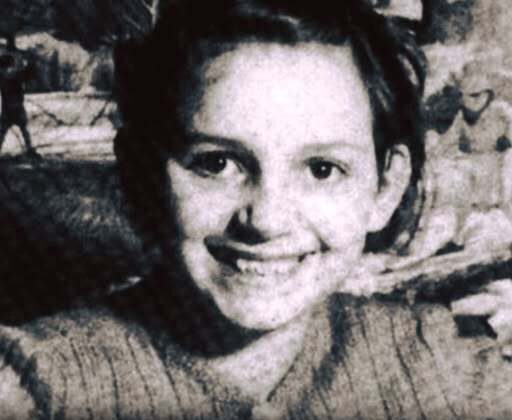
Rosemary Letts was born in North Devon in 1953 and grew up with six siblings. Her parents, Bill and Daisy Letts, appeared to present a conventional family image to the people around them.
Bill had served aboard aircraft carriers during the war and was often described as charming and polite. Daisy was petite, dark-haired, shy, and considered attractive by those who knew her.
Behind that respectable appearance, however, the household was deeply troubled. Daisy experienced serious mental health difficulties, while Bill was reportedly affected by psychiatric problems that included paranoid schizophrenia.
In 1950, the family moved into a council house in Northam. Daisy already had three children at the time, and Bill’s continuing naval service meant that he was frequently absent from the home.
Left with substantial responsibility, Daisy became increasingly overwhelmed. She experienced periods of severe depression and developed an intense fixation on cleanliness.
The house, her own body, and the children were cleaned to an extreme degree. What might initially have looked like strict domestic discipline gradually became increasingly erratic and obsessive behavior.
Her Mother’s Psychiatric Treatment
By 1953, Daisy’s condition had worsened to the point that she suffered a breakdown and entered a psychiatric hospital in Bideford.
While hospitalized, she underwent electroconvulsive therapy, commonly known as ECT. The treatment involved electrical stimulation that caused blackouts and powerful physical convulsions.
Daisy was pregnant with her fifth child during this period. The treatment continued until only days before the baby was born.
When Rosemary arrived, relatives and others around the family commented on her appearance and described her as a beautiful child. Yet unusual behavior became noticeable at a very young age.
She repeatedly rocked her head and sometimes struck it rhythmically against the cot. Her older siblings noticed the behavior, especially at night, when the repeated movement disturbed them.
As she grew older, the habit continued. She could spend long periods swinging her head backward and forward, seemingly absorbed in a private state and disconnected from her surroundings.
These behaviors became part of a childhood already marked by emotional instability inside the home.
Allegations of Abuse During Childhood
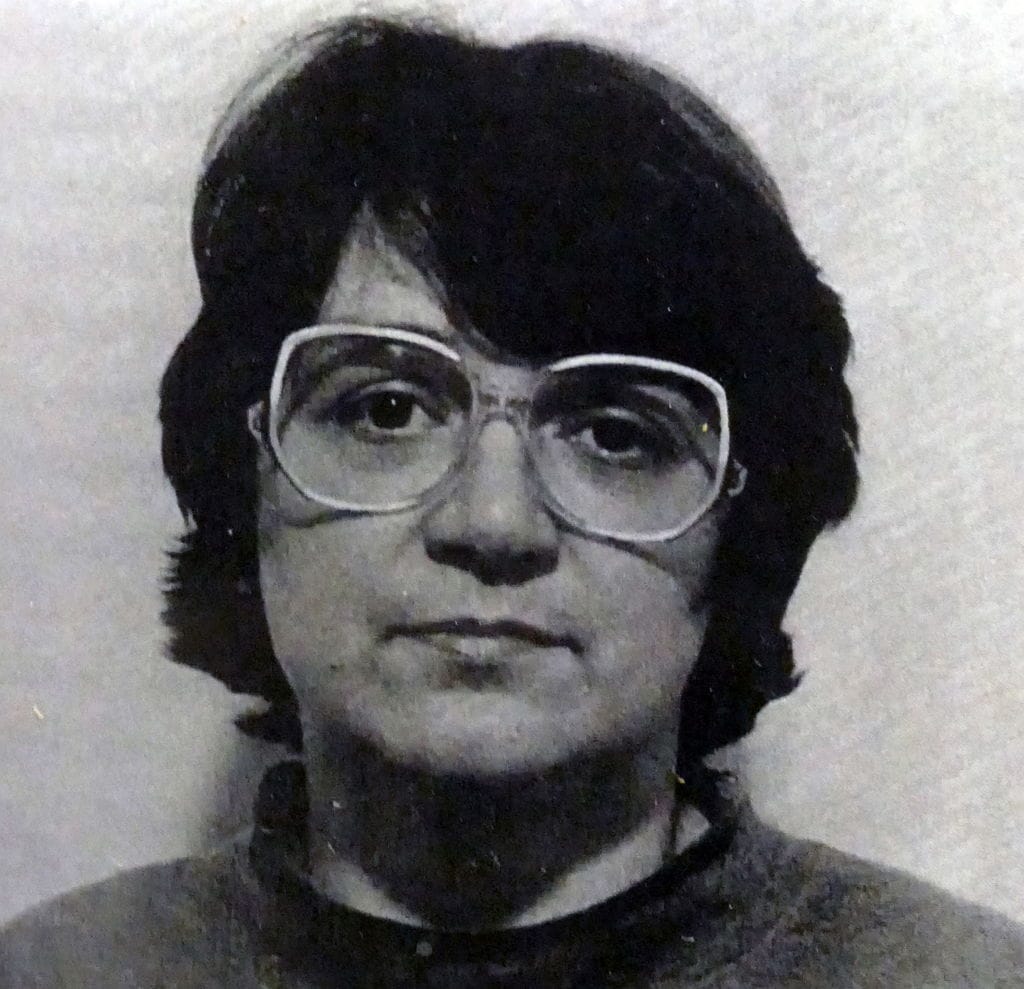
Rose’s upbringing also included serious allegations of sexual abuse. She was said to have been groomed and abused by her father, and she may also have experienced abuse involving her grandfather.
The combination of alleged abuse, parental mental illness, emotional instability, and an unpredictable household created a deeply damaging environment.
These circumstances provide context for her early life, but they do not erase the decisions and actions that later led to her conviction. Many people endure childhood trauma without becoming violent offenders.
In Rose’s case, her teenage years brought her into contact with an older man whose own history was already filled with violence and manipulation.
Meeting Fred West at 15
Rose met Fred West while waiting at a bus stop when she was only 15 years old. Fred was 12 years older, divorced, and already had children.
The relationship quickly became romantic despite the age difference. Rose also began caring for Fred’s daughters, entering the household in the role of a nanny.
Fred’s background was also highly disturbed. He described experiencing abuse during childhood and suffered several serious head injuries that were believed to have affected his personality.
By his teenage years, he had already committed grave offenses, including sexual assault. His pattern of coercion, violence, and manipulation continued into adulthood.
Rose was still an adolescent when the relationship began, while Fred was an experienced adult with a criminal and abusive past. Their partnership nevertheless developed into something far more dangerous than a relationship dominated by one person alone.
After they married in the early 1970s, the violence surrounding the couple intensified.
The First Killing Inside the Household
The couple’s first child together was born in 1970. Other children already living with them were subjected to abuse, and the home became a place where fear and control were constant.
Within months, Rose committed her first murder while Fred was in prison. The victim was an eight-year-old girl who lived in the household.
The child was buried near the kitchen window of the family’s Gloucester property. Her disappearance remained hidden as the couple continued building a family life that appeared ordinary to outsiders.
The killing demonstrated that Rose’s violence was not simply the result of Fred being physically present or directly ordering her actions. It also became a central part of the later case against her.
Young Women Lured Into the Home
From 1973 onward, the couple’s crimes expanded. They targeted young women, some of whom were invited to the house after being offered work caring for the children.
The promise of employment gave the victims a reason to trust the couple and enter the property. Once inside, they faced abuse, captivity, sexual violence, and, in several cases, murder.
The victims’ bodies were concealed on property connected to the West household. The couple continued their daily routines while maintaining strict control over the children and others living around them.
The home became the center of a double life. From the street, it appeared to be occupied by a large family. Inside, violence was normalized and silence was enforced.
The Children Were Also Victims
The nine children raised within the household were subjected to severe physical, emotional, and sexual abuse.
Between 1972 and 1992, hospital records documented 31 admissions involving injuries. Despite the repeated visits and the number of children affected, social services were not alerted.
The lack of intervention allowed the abuse to continue for years. The children remained dependent on the same adults who were harming them and controlling nearly every part of their lives.
Fear, threats, and manipulation made it extremely difficult for them to speak openly. Even when information reached people outside the family, the full seriousness of the situation was not immediately understood.
The Disappearance of Heather West
The final known murder linked to the couple was that of their daughter Heather in 1987.
Heather wanted to escape her parents’ control and leave the family home. Her efforts to create an independent life placed her in direct conflict with Rose and Fred.
After she vanished, her absence became the subject of a cruel family remark suggesting that she was “under the patio”. The phrase was treated as a dark joke, even though it pointed toward the truth.
Heather had spoken to a friend before her disappearance. Information eventually reached the authorities through an anonymous tip, leading investigators to examine the family more closely.
Early Charges Were Dropped
Police inquiries produced statements from Heather’s siblings, and medical professionals confirmed a long pattern of abuse within the household.
Despite the disturbing evidence, the first charges against Rose and Fred were dropped. For a time, it appeared that the investigation might end without revealing what had happened inside the Gloucester home.
One detective continued pursuing the case. That persistence eventually led to a search warrant for 25 Cromwell Street.
Police began excavating areas around the property, including the patio. Heather’s remains were discovered, confirming that the family remark had concealed a terrible reality.
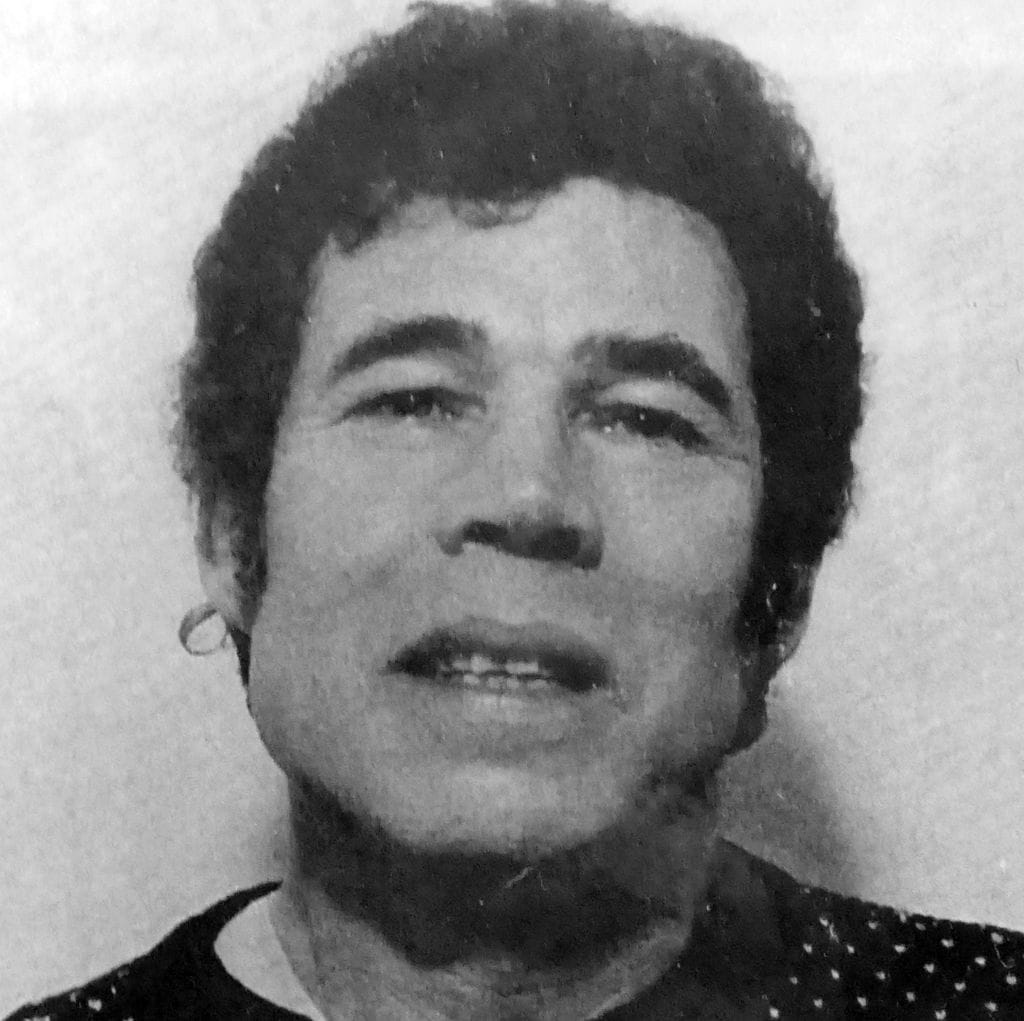
As the search progressed, Fred confessed to multiple murders. Rose was arrested on April 20, 1994.
The investigation exposed the identities that would become permanently associated with the crimes: Rose West and Fred West.
When the couple were taken into custody, their five minor children were removed from the home and placed under protective care.
Fred West Dies Before Trial
Fred did not live to face a full criminal trial. He died by suicide on January 1, 1995, while being held in custody.
His death left Rose to stand trial alone. She denied participating in the murders and presented herself as another victim of Fred’s controlling behavior.
Her lawyers emphasized that she had been only 15 when she met him and that he was already an older, married man with extensive life experience. They argued that this imbalance made her vulnerable to manipulation.
Rose claimed that she did not know what Fred was doing in parts of the house and that he restricted access to certain areas.
“He used to say it wasn’t a place for pregnant women or small children. He would just lock the doors and do whatever he was doing,” said Rosemary West, explaining that Fred West wouldn’t allow anyone into the cellar of their home.
Witnesses Challenge Rose’s Defense
The prosecution argued that Rose could not have lived in the same house for years without understanding the violence taking place there.
Several witnesses testified against her, including her stepdaughter Anna Marie, her mother Daisy, her sister Glenys, and Owens, who had survived an earlier attack involving the couple.
Janet Leach, who had acted as Fred’s court-appointed appropriate adult and confidant, also gave evidence. She said Fred had described Rose as someone who “played a major part” in the killings.
Leach further stated that Rose and Fred had reached an agreement before their arrests under which Fred would accept responsibility for the murders.
During the trial, Rose broke down while giving evidence and said that she was ”sorry”. Her emotional reaction did not convince the jury that she had been unaware of the crimes.
Convicted of Ten Murders
After a seven-week trial in 1995, Rose West was convicted of ten counts of murder.
She received a life sentence with no possibility of parole. The judgment ensured that she would remain imprisoned permanently.
Rose has continued to maintain her innocence and has attempted to challenge her conviction. Her appeals were denied.
The house at 25 Cromwell Street became inseparable from public memory of the case. It was demolished in October 1996, removing the physical structure where many of the crimes had occurred.
Life in Prison
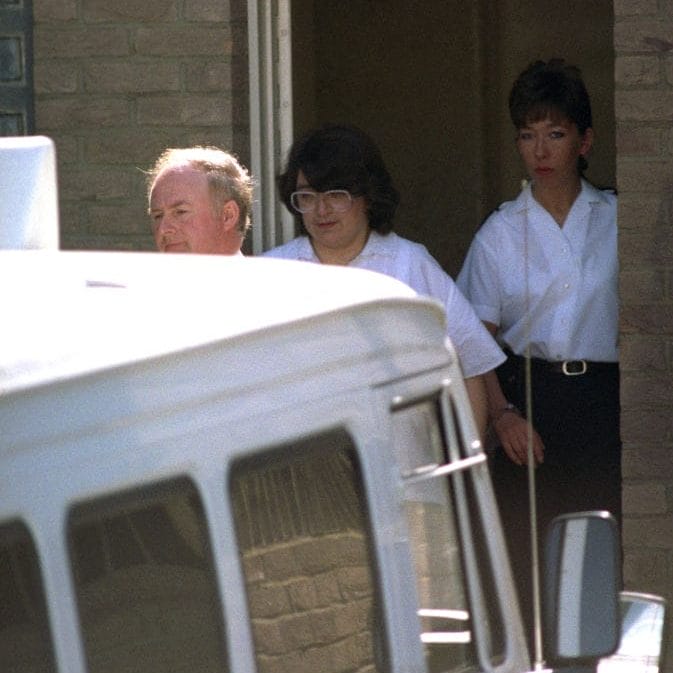
Rose West is serving her sentence at HM Prison New Hall in West Yorkshire.
Her prison routine has included listening to music, playing board games, and teaching cross-stitch to other inmates.
She has been moved between prisons several times. One transfer followed the discovery of a plan that threatened her life.
Although decades have passed since the investigation, the case continues to attract public attention through books, documentaries, and television programs.
The Netflix series Fred and Rose West: A British Horror Story premiered on May 14 and introduced the case to many viewers who were not familiar with its full history.
The Lasting Impact on the Surviving Children
For the surviving members of the West family, renewed public attention has carried a painful cost.
Anna Marie, the oldest surviving child, was the only sibling who testified in court about the abuse suffered by the children at the hands of Rose and Fred.
In May 2025, Anna Marie’s husband said she remained estranged from her siblings, despite some of them living close to one another.
”It’s the siblings who live with the misery and pain of what went on in that house and the trauma is probably too much for them to have any contact,” he said. ”Even though some of them live near each other, they don’t speak or see each other because that only opens up old wounds for them.”
He also described how repeated media attention affects those who survived the household.
”Every few years the case is back in the media, like now with this new documentary, and the public gets interested again but it’s the children who live with the pain of what happened on a daily basis.”
A Legacy Defined by Crime and Suffering
The story of Rose and Fred West remains disturbing because their crimes continued for so long behind the walls of a family residence.
Their ability to appear functional to outsiders allowed violence, coercion, and abuse to remain concealed while victims inside the household had little protection.
Rose’s troubled childhood and her relationship with an older, violent man formed part of her personal history. Yet the evidence presented at trial convinced a jury that she was not merely a passive figure controlled by her husband.
Her conviction established her as an active participant in ten murders and ensured that she would spend the rest of her life in prison.
The physical house where the crimes occurred is gone, but the consequences remain. For the surviving children and the families of the victims, the case is not simply a notorious chapter in criminal history but a source of lasting trauma that continues long after public attention moves elsewhere.