
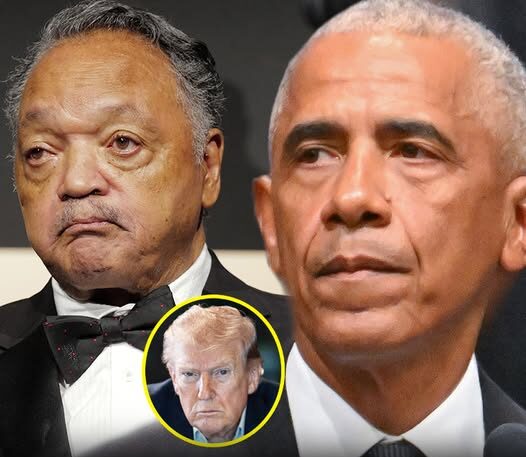
Memorial Service for Civil Rights Leader Jesse Jackson Draws National Figures and Sparks Discussion
A Memorial Honoring a Historic Civil Rights Figure
A memorial service honoring the life and legacy of civil rights leader Jesse Jackson brought together prominent national figures, community members, and longtime supporters in Chicago.
The gathering took place following Jackson’s passing on February 17 at the age of 84. The ceremony focused on remembering his decades of work advocating for equality and social justice.
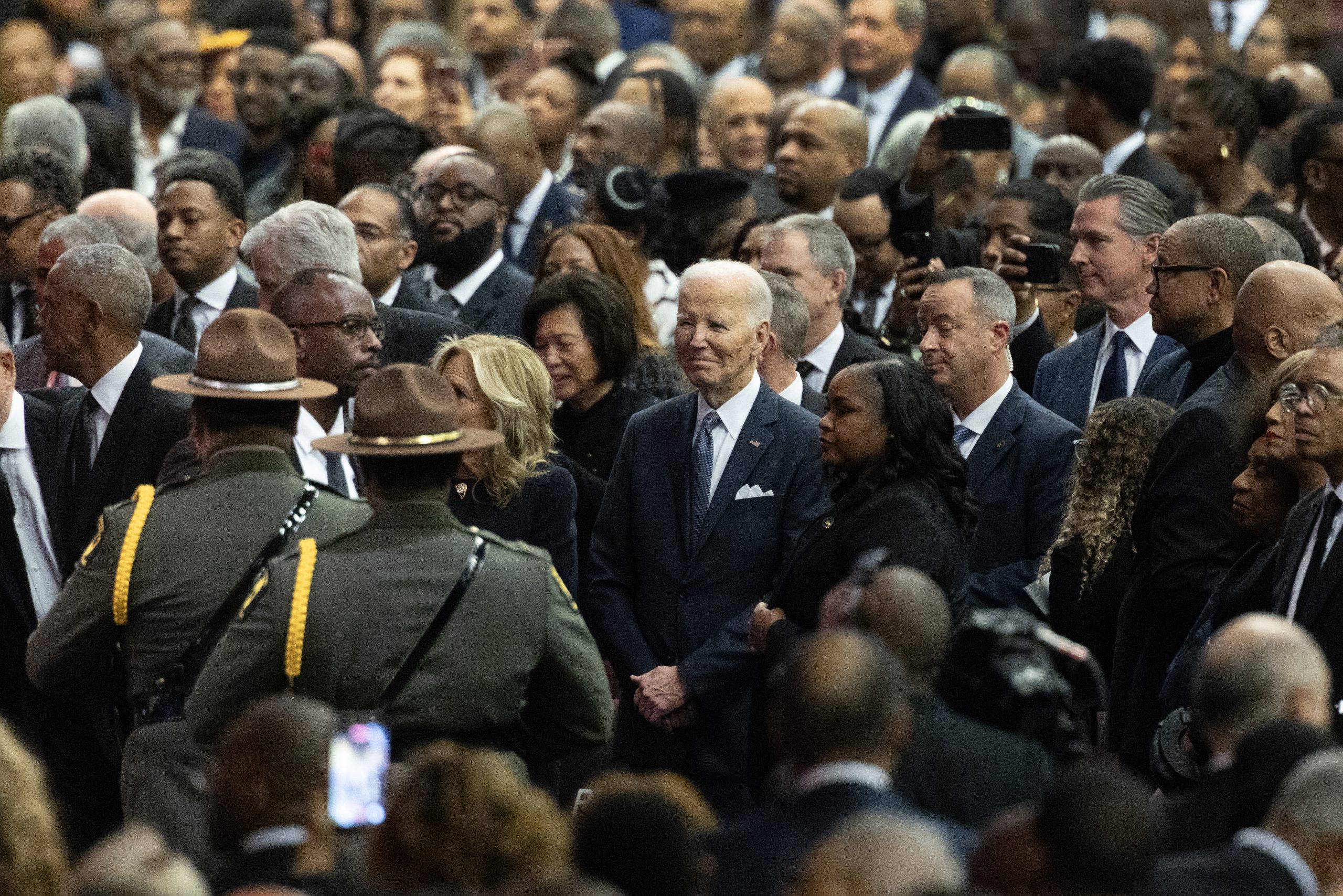
Several well-known political leaders attended the service, including former U.S. Presidents Bill Clinton, Joe Biden, and Barack Obama. Former Vice President Kamala Harris was also present at the event.
The memorial served as a moment for many to reflect on Jackson’s role in shaping important conversations about civil rights and social progress over the course of his life.
While the ceremony was meant to celebrate his achievements and influence, comments made during the event later became the subject of discussion among some members of his family.
Passing of a Longtime Civil Rights Advocate
Jesse Jackson spent decades working in public life and became widely known for his involvement in the American civil rights movement.
He passed away at the age of 84 after living for more than ten years with progressive supranuclear palsy, commonly referred to as PSP.
The condition is a neurological disorder that can affect balance, movement, and the ability to swallow. Over time, it can lead to significant health challenges.
In 2017, Jackson publicly shared that he had also been diagnosed with Parkinson’s disease.
Prior to announcing the diagnosis publicly, he had received treatment for approximately two years at Northwestern Medicine in Chicago.
Despite the health challenges he faced in later years, Jackson remained widely respected for his contributions to social and political movements throughout the United States.
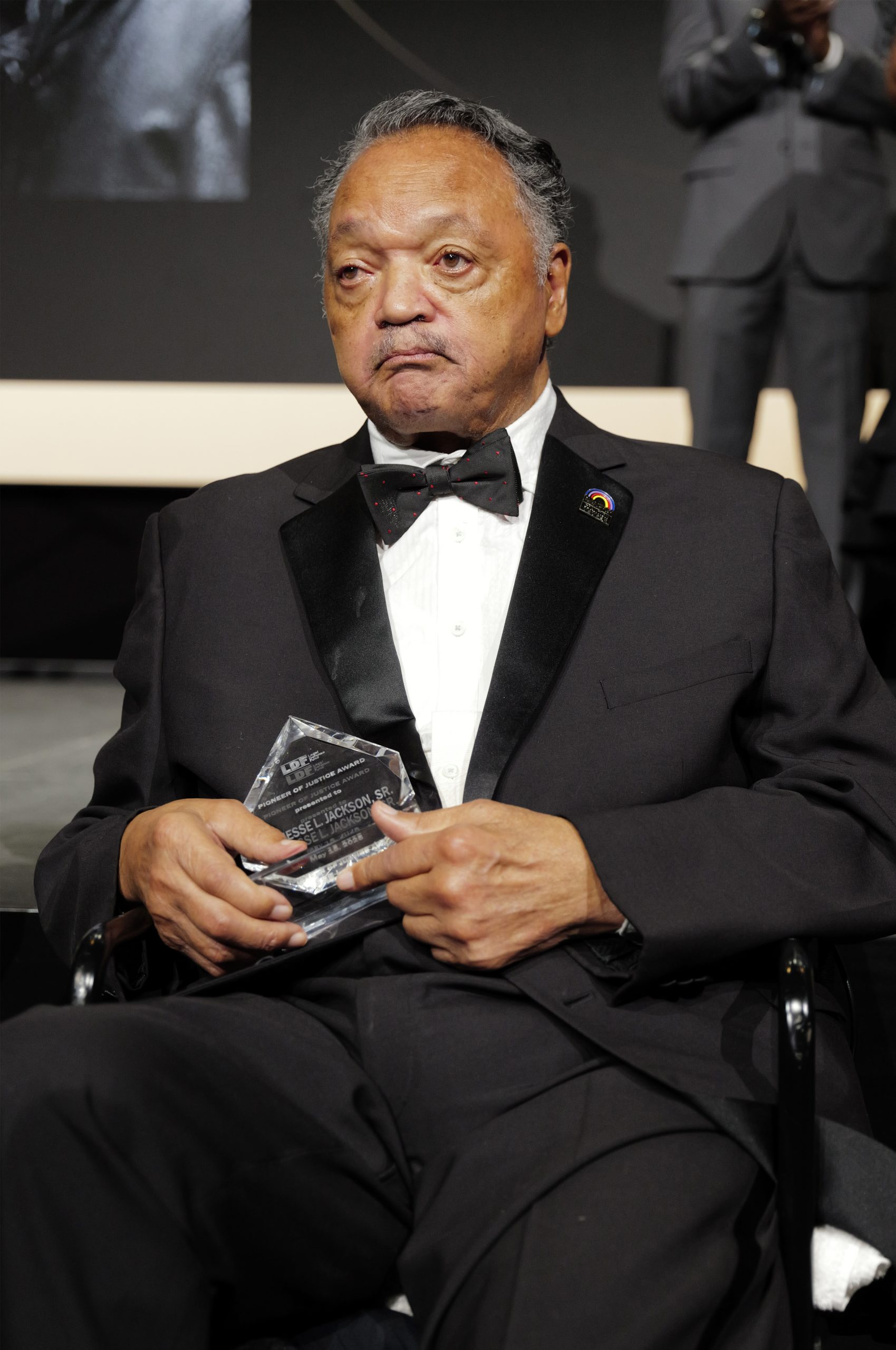
A Life Dedicated to Civil Rights
Jesse Jackson became a nationally recognized figure during the civil rights movement of the 1960s.
He worked closely with Dr. Martin Luther King Jr., participating in demonstrations and advocating for equal rights during a pivotal period in American history.
Throughout the years that followed, Jackson continued to play an active role in public life and social advocacy.
He founded organizations focused on promoting economic opportunity, political participation, and civil rights awareness.
His work reached communities across the country and helped bring attention to issues affecting underrepresented groups.
Jackson also entered national politics and ran for the Democratic presidential nomination twice, first in 1984 and again in 1988.
Those campaigns brought increased visibility to many of the causes he supported and helped expand conversations about political representation.
National Leaders Attend the Chicago Memorial
The memorial service was held at the Chicago House of Hope, where attendees gathered to celebrate Jackson’s life and legacy.
Many people who had worked alongside him over the years attended the ceremony, including political leaders and members of the civil rights community.
Former Presidents Barack Obama, Joe Biden, and Bill Clinton delivered remarks during the event.
Each speaker reflected on Jackson’s influence and the role he played in shaping discussions about justice, equality, and civic engagement.
The service included personal reflections, stories about Jackson’s impact, and messages honoring his commitment to social change.
For many in attendance, the gathering was an opportunity to acknowledge the significant role Jackson played in American public life.
Remarks That Prompted Discussion
During the memorial service, some of the remarks made by speakers included reflections on the current state of public life in the United States.
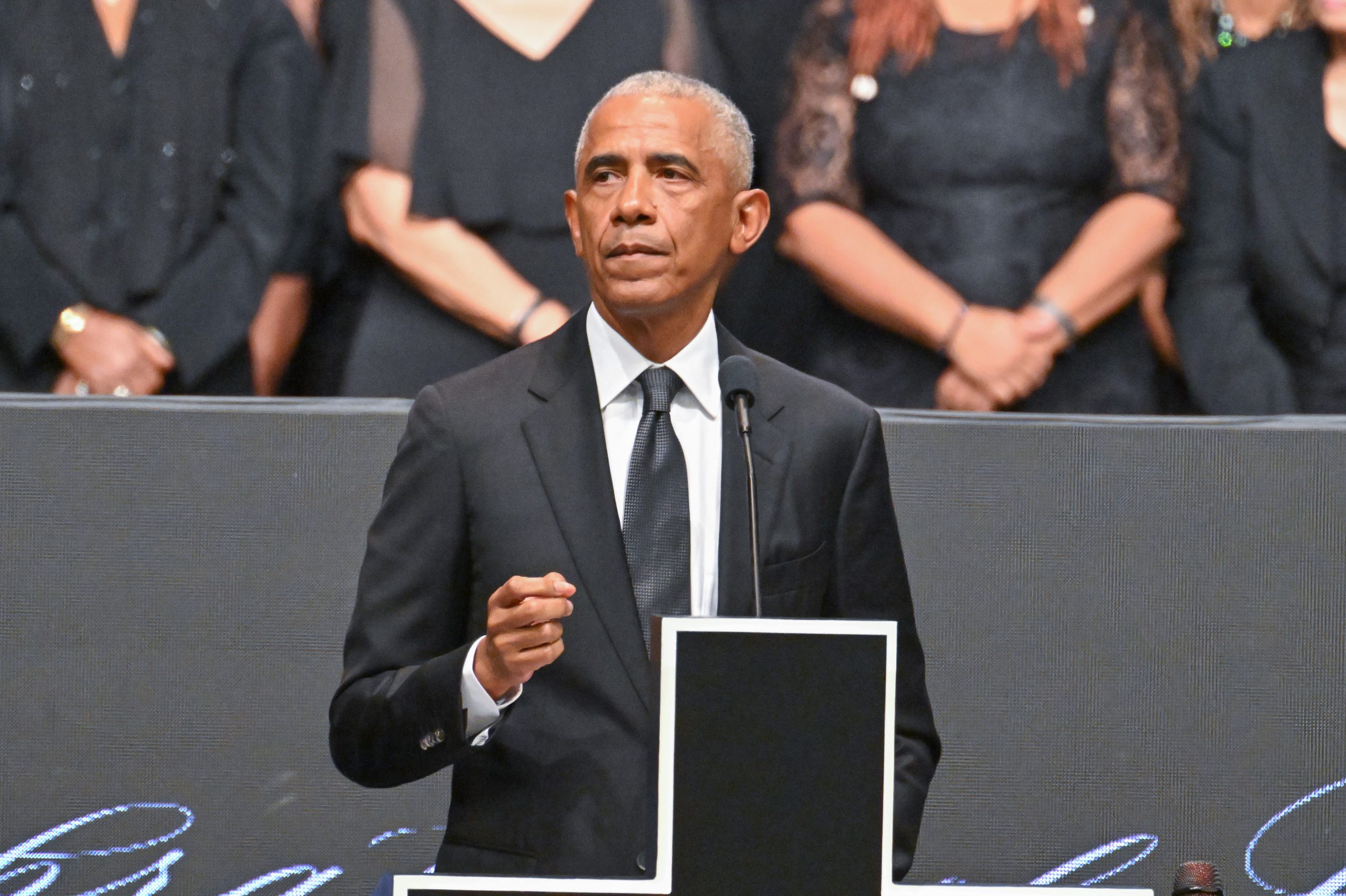
Former President Barack Obama spoke about the importance of democratic institutions and the responsibility of leaders to promote unity.
“Each day we wake up to some new assault on our Democratic institutions, another setback to the idea of the rule of law, an offense to common decency. Every day you wake up to, to things you just didn’t think were possible,” he said.
He continued by discussing broader concerns about political divisions and the challenges facing the country.
“Each day, we’re told by those in high office to fear each other and to turn on each other, and that some Americans count more than others, and that some don’t even count at all. Everywhere we see greed and bigotry, being celebrated, and bullying, and mockery masquerading as strength.”
Former President Joe Biden also addressed the audience, sharing his perspective on the current political climate.
“We’re in a tough spot, folks. We’ve got an administration that doesn’t share any of the values that we have. And I don’t think I’m exaggerating a little bit.”
Response From Jesse Jackson Jr.
While many attendees expressed appreciation for the tributes shared during the ceremony, Jesse Jackson Jr., the son of the late civil rights leader, later shared his own perspective.
Speaking during a separate memorial gathering at the Rainbow PUSH Coalition headquarters in Chicago, he reflected on the legacy of his father and the nature of the event.
Jackson Jr. suggested that his father’s life represented a voice that often stood apart from traditional political alignments.
“Yesterday, I listened for several hours to three United States presidents who do not know Jesse Jackson,” he said.
He continued by describing his father’s relationship with political institutions throughout his life.
“He maintained a tense relationship with the political order, not because the presidents were white or black, but the demands of our message, the demands of speaking for the least of these — those who are disinherited, the damned, the dispossessed, the disrespected — demanded not Democratic or Republican solutions, but demanded a consistent, prophetic voice that at no point in time ever sold us out as people. And it speaks volumes about who the Rev. Jesse Jackson was.”
Public Reaction and Continuing Conversation
The remarks sparked discussion among observers and members of the public about the role of political commentary during memorial events.
Some attendees appreciated the reflections offered by national leaders, while others emphasized the importance of focusing solely on Jackson’s legacy.
Such discussions often arise during memorials for prominent figures who played major roles in public life.
Because Jesse Jackson spent decades influencing political and social conversations, the themes addressed during the service naturally reflected broader national topics.
Observers noted that memorial gatherings for influential leaders frequently combine personal remembrance with reflections on the issues those individuals championed during their lifetimes.
Statements From Political Figures
At the time of the discussion, neither Barack Obama nor Joe Biden publicly responded to the comments made by Jesse Jackson Jr.
However, many political leaders and public figures shared messages honoring Jackson’s legacy following the announcement of his passing.
Among them was former President Donald Trump, who wrote a message expressing sympathy to Jackson’s family.
“Jesse was a force of nature like few others before him. He had much to do with the Election, without acknowledgment or credit, of Barack Hussein Obama, a man who Jesse could not stand. He loved his family greatly, and to them I send my deepest sympathies and condolences. Jesse will be missed!”
Messages of remembrance and respect were shared widely by individuals across the political spectrum.
A Legacy That Spanned Generations
Jesse Jackson’s influence extended across multiple generations of political leaders, activists, and community organizers.
His work during the civil rights movement helped shape conversations about equality and opportunity in the United States.
Over the decades, he remained active in public life through advocacy, community leadership, and national political engagement.
Organizations he founded continued to address issues related to economic opportunity, voting rights, and social justice.
Supporters often describe his career as one defined by persistence and a willingness to speak on behalf of communities that felt unheard.
Remembering Jesse Jackson
The memorial service in Chicago served as an opportunity for many people to reflect on the impact of Jackson’s decades of activism.
His life intersected with many of the defining moments of modern American civil rights history.
For supporters and colleagues, the event represented a time to honor his contributions and acknowledge the influence he had on national conversations about equality and justice.
Family members, friends, and public figures alike continue to remember Jackson as a central voice in the pursuit of civil rights and social progress.
As tributes continue, his legacy remains closely connected to the movements and causes that defined much of his life’s work.
The discussions surrounding the memorial reflect the lasting influence of a figure who spent decades advocating for change and encouraging civic participation.
Jesse Jackson’s life and work remain a significant chapter in the broader story of civil rights in the United States.