
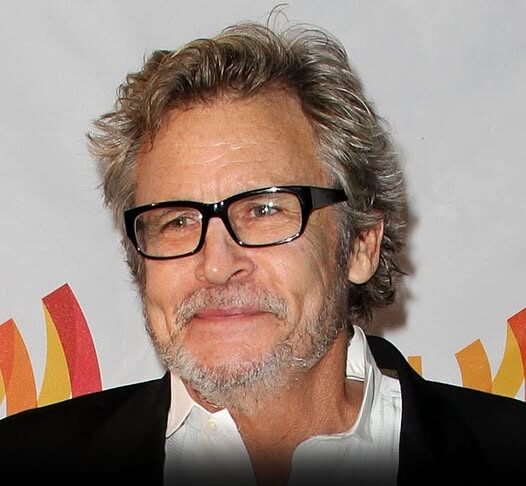
Actor Michael Kearns Dies at 76, Leaving Behind a Powerful Legacy of Courage, Family and Hollywood Advocacy
Hollywood Remembers an Actor Who Helped Challenge Prejudice
Hollywood is mourning the loss of Michael Kearns, an actor and longtime advocate whose career extended beyond television and film into the fight for greater acceptance, visibility, and understanding.
Kearns died on October 5, 2026, at the age of 76. The news was confirmed by filmmaker Roland Palencia, a longtime friend who also shared details about the difficult months preceding the actor’s death.
Throughout his career, Kearns appeared in recognizable television productions and films, building a professional reputation while openly challenging attitudes that placed barriers before gay performers.
His work included appearances in Cheers, Beverly Hills, 90210, and Murder, She Wrote, as well as films such as Body Double and HBO’s And the Band Played On.
Yet his legacy cannot be understood through acting credits alone.
Kearns became one of Hollywood’s early openly gay performers, publicly disclosed that he was HIV-positive in 1991, and helped establish Artists Confronting AIDS.
He also experienced profound personal loss and later embraced fatherhood through the adoption of his daughter, Katherine.
These experiences formed a life in which artistic expression, personal honesty, and advocacy remained closely connected.
A Longtime Friend Confirms His Passing
Filmmaker Roland Palencia confirmed the news of Michael Kearns’ death, bringing attention to the actor’s final months.
Palencia had known Kearns for many years, and his recollections offered a personal perspective on the difficulties his friend had recently experienced.
Speaking with Entertainment Weekly, Palencia described a period involving repeated visits to emergency rooms over approximately three months.
His comments indicated that Kearns had been dealing with health-related challenges before his death.
However, Palencia did not disclose the specific medical problems involved.
No official cause of death was announced in the available account.
That distinction is important because repeated hospital visits do not establish the medical circumstances of someone’s passing.
Without confirmed information, the cause should not be inferred from the difficulties described by a friend.
The account of his final months instead provides limited context for the loss felt by those who knew him.
For colleagues, friends, and admirers, the announcement also created an opportunity to reflect on a career defined by both professional achievement and personal conviction.
Michael Kearns Built a Career Across Television and Film
Michael Kearns developed a varied acting career that included appearances in several familiar television series.
Audiences may remember his work in Cheers, a production recognized for its place in television comedy.
He also appeared in Beverly Hills, 90210, a series associated with a different generation of television viewers.
Another of his credits was Murder, She Wrote, adding to the range of productions in which he participated.
These appearances placed Kearns within different styles of television storytelling.
His film work further expanded his professional experience.
Among his screen credits was Body Double, alongside the HBO production And the Band Played On.
For an actor, working across television and film can involve adapting to different creative environments, production requirements, and storytelling approaches.
Kearns’ career reflected that professional versatility.
Although he did not become universally recognized through a single defining television character, his contributions formed part of a sustained life in entertainment.
His professional accomplishments also provided a platform for the advocacy that became central to his public identity.
Why His Openness Was Significant in Hollywood
One of the defining aspects of Kearns’ career was his willingness to be open about his identity at a time when prejudice created substantial difficulties for many performers.
He was among the early openly gay actors working in Hollywood, making his visibility an important part of his professional story.
For performers whose careers depended on public acceptance and industry opportunities, openly discussing personal identity could involve serious professional considerations.
Kearns chose not to conceal that part of himself.
His decision helped challenge expectations about how actors should present themselves in an industry where public image often carried considerable weight.
That openness was significant because representation involves more than the characters seen on screen.
It also concerns whether performers can participate in professional life without feeling compelled to hide fundamental aspects of who they are.
Kearns’ visibility contributed to broader conversations about acceptance and the barriers faced by gay actors.
His career demonstrated that professional work and personal authenticity did not have to be treated as opposing responsibilities.
His Public HIV Disclosure in 1991
In 1991, Michael Kearns publicly disclosed that he was HIV-positive.
The announcement became an important part of his advocacy because it confronted the stigma surrounding HIV.
At the time, fear and misunderstanding contributed to discrimination against people living with the virus.
Public disclosure could expose individuals to judgment, unwanted attention, and professional uncertainty.
Kearns’ decision to speak openly represented a willingness to challenge those attitudes.
Rather than allowing stigma to determine how he presented his life, he made his experience part of a wider conversation about dignity and acceptance.
His openness also helped emphasize that people living with HIV should not be reduced to a diagnosis.
They have relationships, careers, families, and individual experiences that deserve recognition.
For Kearns, his health disclosure became connected to his broader commitment to confronting prejudice.
It remains one of the most notable elements of his public legacy.
Using Art to Confront AIDS and Social Stigma
Kearns extended his advocacy through creative work by helping establish Artists Confronting AIDS.
The organization reflected the belief that artistic expression could play an important role in bringing attention to personal experiences surrounding HIV and AIDS.
Through creative engagement, artists could help communicate difficult subjects in ways that encouraged audiences to listen and reflect.
This approach connected Kearns’ professional background with his commitment to social understanding.
As an actor, he understood the ability of performance and storytelling to communicate emotions that might otherwise remain difficult to express.
Applying those skills to advocacy provided a meaningful extension of his career.
Artists Confronting AIDS became part of his efforts to amplify experiences that were too often overshadowed by stigma.
His involvement also demonstrated that advocacy can take different forms.
It may involve public statements, personal openness, organizational work, or creative projects that encourage conversation.
For Kearns, artistic expression and social responsibility were closely linked.
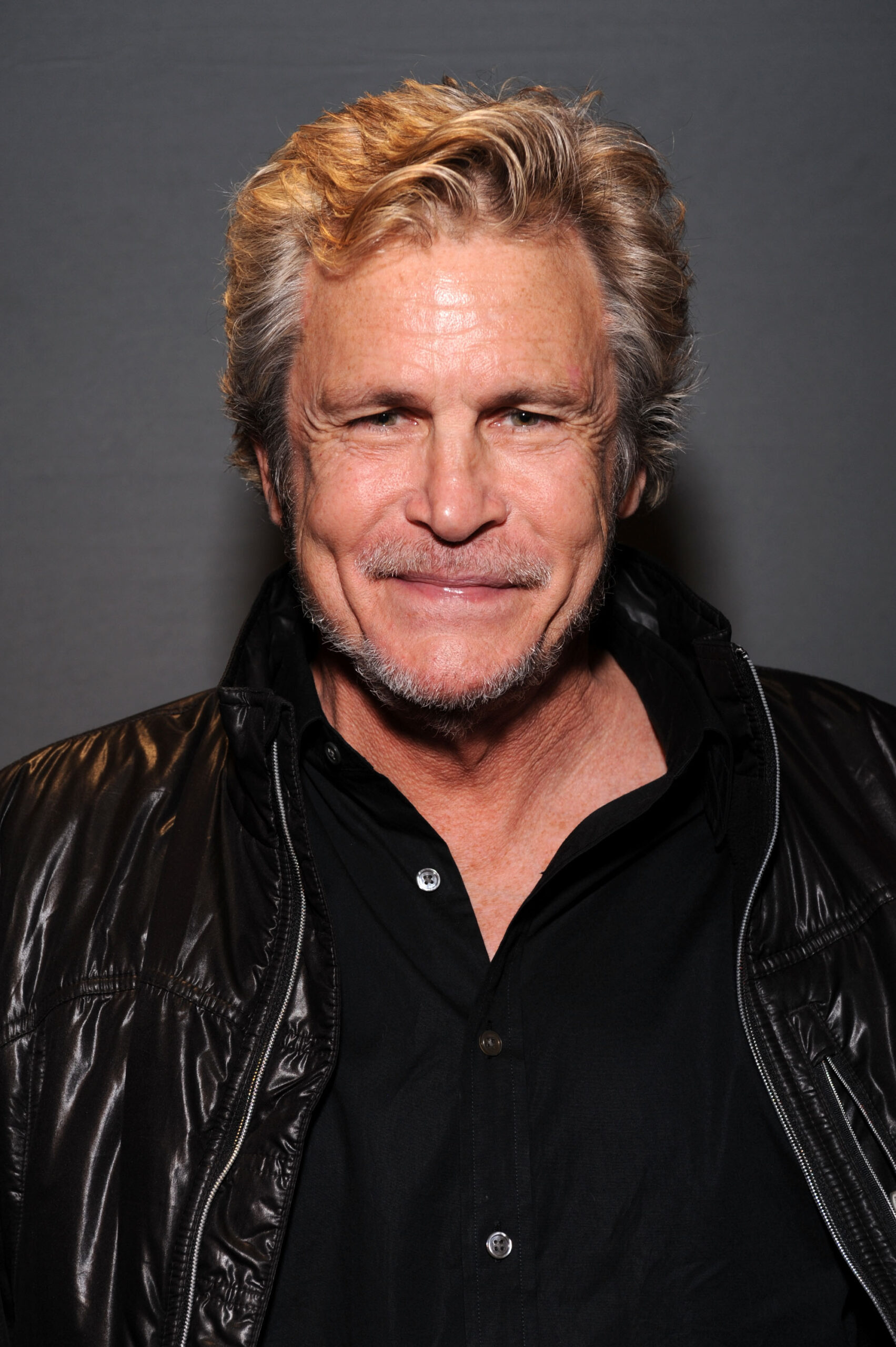
A Career Defined by More Than Public Recognition
Many actors are remembered primarily through the roles they played.
For Michael Kearns, his professional work was only one dimension of his public contribution.
His appearances in television and film established his place within the entertainment industry.
But his willingness to challenge prejudice gave his career a broader significance.
He helped bring visibility to experiences that were not always treated with openness or understanding.
That contribution cannot be measured entirely through the number of productions in which he appeared.
Public attitudes can be influenced by individuals who demonstrate that a person can pursue a professional career while remaining open about personal identity and experience.
Kearns’ choices became part of that wider process.
His advocacy also helped connect the entertainment industry with discussions about HIV, discrimination, and the importance of human dignity.
These efforts added lasting meaning to his work beyond individual performances.
The Personal Loss That Changed His Family Life
Alongside his professional achievements, Kearns experienced significant personal hardship.
In 1992, he lost his husband, Philip Juwig.
The loss marked a painful chapter in his life and became part of the personal history that shaped the years that followed.
Grief can affect people in deeply individual ways, particularly after losing a partner with whom they shared an important relationship.
The available account does not establish every detail of Kearns’ experience during that period.
However, the loss of Juwig remains an important part of his life story.
It also provides context for understanding the family relationships Kearns would later build.
His life included not only the public responsibilities of acting and advocacy but also the private experiences of love, bereavement, and personal change.
These dimensions are essential to a fuller remembrance of the man behind the professional achievements.
Becoming a Father Through Adoption
Three years after the death of his husband, Kearns entered another important chapter of his life.
In 1995, he adopted his daughter, Katherine.
Fatherhood became a meaningful part of his personal story, extending his identity beyond acting and public advocacy.
The decision to adopt reflected his commitment to building a family following a period of significant loss.
Raising a child involves responsibilities, relationships, and experiences that differ from the demands of a professional career.
For Kearns, adoption added another dimension to a life already shaped by creativity and public engagement.
His experience also challenged narrow assumptions about what family life could look like.
Through his role as a father, he demonstrated that family relationships can develop in different ways while remaining centered on care and commitment.
Katherine became an important part of the personal legacy he leaves behind.
Why His Story Matters to LGBTQ Representation
Michael Kearns’ career took place during a period when openly gay performers could encounter substantial prejudice.
His decision to live openly while continuing to work in entertainment made his professional path noteworthy.
Visibility can be important because it challenges the assumption that people must conceal their identities to participate in public life.
Kearns’ experience contributed to conversations about acceptance in an industry that influences wider cultural attitudes.
His HIV disclosure added another important dimension to that contribution.
By speaking publicly about his diagnosis, he challenged stigma involving both health and identity.
His involvement with Artists Confronting AIDS further connected those concerns with the possibilities of creative expression.
Together, these actions helped establish a legacy centered on honesty, representation, and the value of being heard.
They also explain why his influence extended beyond the audiences who recognized him from television and film.
The Importance of Challenging HIV Stigma
Kearns’ public experience with HIV remains significant because stigma can affect how people are treated in professional, personal, and social settings.
Misunderstanding about a medical condition can lead to unfair assumptions about the individuals living with it.
His openness challenged the idea that an HIV diagnosis should require secrecy or social withdrawal.
Instead, he continued participating in entertainment and advocacy.
His example helped direct attention toward the importance of treating people with respect rather than defining them solely through their health status.
Artists Confronting AIDS also provided a way to approach these subjects through storytelling and creative work.
That combination of personal visibility and artistic engagement became central to Kearns’ public contribution.
Remembering his advocacy offers an opportunity to recognize how prejudice can affect people’s lives and why compassionate public discussion matters.
A Long Friendship Remembered During His Final Months
Roland Palencia’s confirmation of Kearns’ death provided a personal perspective on the loss.
As a longtime friend, Palencia had a connection to Kearns that extended beyond the performer’s public reputation.
His comments about repeated emergency room visits over three months suggested that the actor’s final period involved considerable health-related difficulties.
However, the precise medical circumstances were not disclosed.
For that reason, it would be inappropriate to attribute Kearns’ death to a particular condition.
The limited information is sufficient to acknowledge that his friend described a difficult final period without turning those details into speculation.
Palencia’s involvement also demonstrates the importance of relationships formed over many years.
Public figures may be remembered by audiences through performances, but those closest to them often carry memories of experiences outside the spotlight.
Those personal connections form another part of the legacy left after a person’s death.
Why His Death Has Renewed Attention to His Achievements
The announcement of Kearns’ passing has brought together different aspects of his life that might otherwise be considered separately.
Some audiences remember him through his work in familiar television productions.
Others associate his name with advocacy for gay performers and people living with HIV.
His family story adds further depth through the loss of his husband and the adoption of his daughter.
These experiences demonstrate how a person’s legacy can be shaped by professional accomplishments and personal choices alike.
For Kearns, the common thread was a willingness to live openly despite the challenges that openness could bring.
His contributions deserve recognition not because his life was without hardship, but because he continued pursuing work and relationships that mattered to him.
The renewed attention surrounding his passing provides an opportunity to consider the broader significance of that commitment.
Remembering His Work on Screen
Kearns’ television appearances connected him with productions that reached audiences across different periods.
Cheers, Beverly Hills, 90210, and Murder, She Wrote each represented different forms of popular entertainment.
His participation in these productions contributed to a varied career.
His film credits, including Body Double and And the Band Played On, further demonstrated his involvement in screen storytelling.
For viewers revisiting his work, these appearances offer a reminder of the professional foundation on which his public reputation was built.
Acting provided Kearns with a creative identity and a platform from which he could address issues that mattered deeply to him.
His screen work therefore remains an important part of his legacy, even as the broader significance of his advocacy receives renewed attention.
A Life Shaped by Courage, Grief and Fatherhood
The story of Michael Kearns encompasses several distinct but connected experiences.
He built a professional life in entertainment while challenging prejudice surrounding his identity.
He publicly disclosed his HIV status in 1991, contributing to wider conversations about stigma and acceptance.
He co-founded Artists Confronting AIDS, bringing artistic expression into his advocacy.
He experienced the death of his husband, Philip Juwig, in 1992.
And in 1995, he became a father through the adoption of Katherine.
Each chapter contributed to the person he became.
His professional accomplishments demonstrated creativity and perseverance, while his personal choices reflected the importance of relationships and family.
His openness also placed him among those willing to challenge expectations during a difficult period for LGBTQ representation.
The Legacy Michael Kearns Leaves Behind
Michael Kearns died at 76 after a life that included acting, advocacy, personal loss, and fatherhood.
While his appearances in well-known television series and films remain part of his professional record, his influence reached beyond the entertainment industry.
He challenged prejudice by living openly, speaking about his HIV diagnosis, and using creative work to bring attention to experiences too often affected by stigma.
His role in establishing Artists Confronting AIDS reflected his belief in the ability of art to encourage awareness and understanding.
His personal life also included deeply meaningful relationships, including his marriage to Philip Juwig and his role as Katherine’s father.
Although his longtime friend described difficult health-related circumstances during his final months, no cause of death was disclosed in the available account.
As colleagues, loved ones, and audiences remember him, the broader story of his life stands alongside his screen credits.
Michael Kearns will be remembered not only for the characters he portrayed but also for the barriers he challenged and the openness he brought to conversations about identity, health, and acceptance.
His legacy is a reminder that meaningful contributions can extend far beyond professional recognition.
For Kearns, the lasting influence of his life was found in the courage to remain visible, the willingness to speak openly, and the relationships he built along the way.