
Michael Landon’s Son Christopher Found His Own Path After Losing His Father at 16
A devastating loss during his teenage years
Michael Landon became one of American television’s most recognizable stars through decades of work on series including Bonanza, Little House on the Prairie and Highway to Heaven.
Behind that enormous public success was a large family, including his son Christopher Landon, whose life changed dramatically when his father became seriously ill.
Michael Landon died from pancreatic cancer on July 1, 1991. He was only 54 years old.
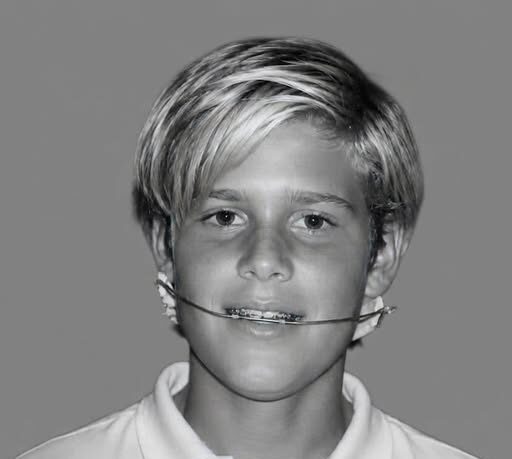
Christopher was 16 at the time, leaving him to experience the death of his father during an already complicated period of adolescence.
For audiences, Michael’s death meant saying goodbye to a television figure who had been part of popular culture for decades. For Christopher, it meant losing a parent before he had reached adulthood.
Michael Landon had become a television institution
Michael Landon’s career had made his name familiar to generations of viewers long before Christopher began building a professional identity of his own.
His work on Bonanza established him as a major television presence, while Little House on the Prairie further strengthened his connection with audiences.
Highway to Heaven later became another defining part of his career.
Through those programs, Michael developed a public image connected with family-centered storytelling and emotionally driven television.
That level of recognition inevitably meant that his children grew up connected to a famous surname.
Christopher would eventually enter the entertainment industry himself, but his career developed in a markedly different direction from his father’s.
Christopher was only 16 when Michael died
Losing a parent can shape a person at any age, but Christopher had to process his father’s death while still a teenager.
At 16, he had not yet reached many of the adult milestones that might normally provide opportunities for deeper conversations between a father and son.
Michael’s death therefore left Christopher not only with grief, but also with questions and conversations that could never take place.
One of those unspoken subjects would become particularly important years later as Christopher came to better understand his own identity.
Christopher built a career away from his father’s television image
Rather than attempting to reproduce Michael Landon’s career, Christopher eventually created his own place in Hollywood as a screenwriter and filmmaker.
His work developed largely in genres and styles far removed from the classic television dramas that had made his father famous.
Christopher became associated with projects including Disturbia, Paranormal Activity: The Marked Ones, Happy Death Day and Freaky.
Those projects established him as a filmmaker with his own creative identity.
His career demonstrated that being the child of a famous actor did not require him to follow the same artistic route.
While Michael became strongly connected with television westerns and family dramas, Christopher found success writing and directing contemporary films with suspenseful and darker themes.
A famous surname came with its own expectations
Growing up as Michael Landon’s son meant Christopher carried a name already associated with a major Hollywood legacy.
That connection could open doors, but it could also create expectations about who he was supposed to become.
Christopher ultimately chose to establish his identity on his own terms, both personally and professionally.
His journey involved more than finding a different creative path. It also meant becoming comfortable with an important part of himself that he had never been able to discuss directly with his father.
Christopher publicly came out as gay in 1999
Eight years after Michael Landon’s death, Christopher publicly came out as gay in 1999.
The decision marked an important moment in his personal life.
Christopher chose to live openly rather than allowing expectations surrounding his family background or Hollywood identity to determine how he presented himself.
By that point, his father had been gone for years, meaning Christopher could never have the conversation with Michael that many children eventually have with their parents when sharing such an important part of themselves.
That absence left room for uncertainty about how Michael might have responded.
Cindy Landon offered Christopher an unexpected source of comfort
Years later, Christopher found some reassurance through something his stepmother, Cindy Landon, shared with him.
Cindy told Christopher that Michael may already have suspected that his son was gay.
More importantly, Christopher learned that his father apparently believed he would eventually understand and address that part of his identity when he was ready.
For Christopher, that information helped change the emotional weight of a conversation that had never happened.
Instead of imagining that his father had known nothing about this important part of his life, Christopher could consider the possibility that Michael had understood more than he had realized.
The conversation they never had
Some of the most difficult aspects of losing a parent young involve the moments that never get to happen.
There are no later conversations, no opportunity to ask questions with the perspective of adulthood and no chance to revisit subjects that once seemed too complicated to discuss.
For Christopher, his sexuality became one of those subjects.
Michael died before Christopher publicly came out and before his son had reached the stage of life when such a discussion might naturally have taken place.
Cindy’s words could not replace an actual conversation between father and son.
They did, however, give Christopher a reason to believe that his father might already have understood him on some level.
Finding peace in what Michael may have understood
Knowing that Michael may have suspected the truth allowed Christopher to look at their relationship from another perspective.
The idea that his father trusted him to understand himself in his own time offered a measure of reassurance.
That mattered because Christopher could never return to 1991 and have the conversation directly.
The loss remained permanent, but the emotional meaning surrounding that missing conversation could evolve.
For Christopher, understanding that Michael may already have recognized this part of him helped provide peace around something that had remained unresolved.
Christopher’s professional success became distinctly his own
As Christopher’s career advanced, he became increasingly recognized for his own body of work rather than simply as Michael Landon’s son.
Disturbia was among the projects connected with his screenwriting career.
He also worked on Paranormal Activity: The Marked Ones, further establishing himself within modern suspense and horror filmmaking.
Happy Death Day became another prominent title associated with Christopher, while Freaky continued his work in a distinctive blend of horror and entertainment.
The projects reflected a creative sensibility very different from the television work that had defined his father’s career.
That difference helped Christopher develop a professional identity that could stand independently of the Landon family name.
Two generations found success in very different kinds of storytelling
The contrast between Michael and Christopher’s careers is significant.
Michael became a beloved figure through television programs that occupied an important place in American popular culture.
Christopher entered another era of entertainment and built his reputation through screenwriting and filmmaking.
Their work differed in style, format and tone, but both father and son became storytellers.
Michael’s legacy remained tied to characters and programs remembered by generations of television viewers.
Christopher’s professional path developed through films that reflected his own interests and creative voice.
Christopher eventually became a father himself
Christopher’s personal journey also brought him into a role Michael had once occupied in his life.
He became a father and is raising two children with his partner, Cody Morris.
That development adds another dimension to Christopher’s story.
The teenager who lost his father at 16 eventually grew into adulthood, built a career, established a long-term family life and became a parent himself.
His experiences with loss and identity did not prevent him from moving forward and creating a family on his own terms.
Michael Landon’s legacy remains powerful
More than three decades after his death, Michael Landon remains strongly associated with the television programs that made him famous.
Bonanza, Little House on the Prairie and Highway to Heaven defined different stages of a career that ended far too early.
His death from pancreatic cancer at 54 meant his family lost him while several of his children were still young.
For Christopher, the timing was particularly significant because he was still developing his understanding of himself and the life he wanted to build.
Christopher’s story became one of creating a separate identity
Being part of a famous family can make personal independence complicated.
Christopher had to determine which parts of the Landon legacy he wanted to carry forward and which parts of his life needed to belong entirely to him.
Professionally, he did this by developing a filmmaking career distinct from his father’s television work.
Personally, he did it by choosing to live openly after coming out as gay in 1999.
Later, he built a family with Cody Morris and became a father to two children.
Those choices helped establish Christopher as more than the son of a beloved television star.
A father’s absence remained part of the journey
Success did not erase the reality that Michael was missing from the major stages of Christopher’s adult life.
He was not there to witness his son’s developing filmmaking career, his public decision to live openly or Christopher eventually becoming a father himself.
That is part of what made Cindy Landon’s revelation so meaningful.
It offered Christopher a connection to what his father may have thought before his death.
Although Michael could never personally tell his son how he would have responded, the possibility that he already understood gave Christopher something he had lacked for years.
Loss, acceptance and a life built independently
Christopher Landon’s story cannot be separated entirely from the enormous cultural presence of his father.
Michael Landon’s name remains linked with some of television’s most enduring programs, while his death at only 54 remains a painful part of the family’s history.
Yet Christopher’s life demonstrates how the child of a famous parent can build an identity that is connected to a family legacy without being defined by it.
He endured the loss of his father during his teenage years, later came out publicly, created a successful career in filmmaking and became a parent himself.
The reassurance that Michael may already have understood his son’s sexuality helped Christopher make peace with one of the conversations that death had taken away from them.
Michael’s story remains rooted in classic television, while Christopher’s continues through filmmaking, family and the life he chose to build for himself.
Their paths were different, but the connection between father and son remained meaningful long after Michael Landon’s death on July 1, 1991.