
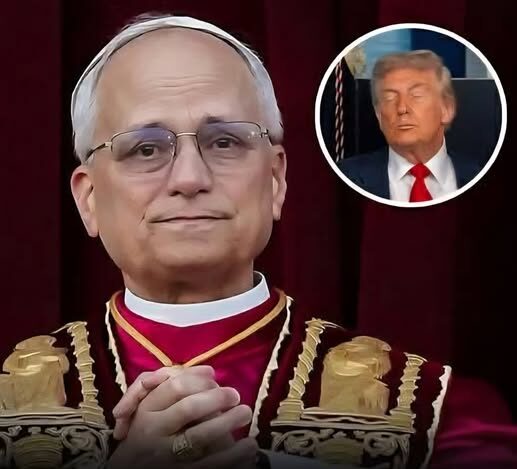
Vatican Declines Invitation to Join Proposed International “Board of Peace” Initiative
Pope Leo XIV Declines Participation
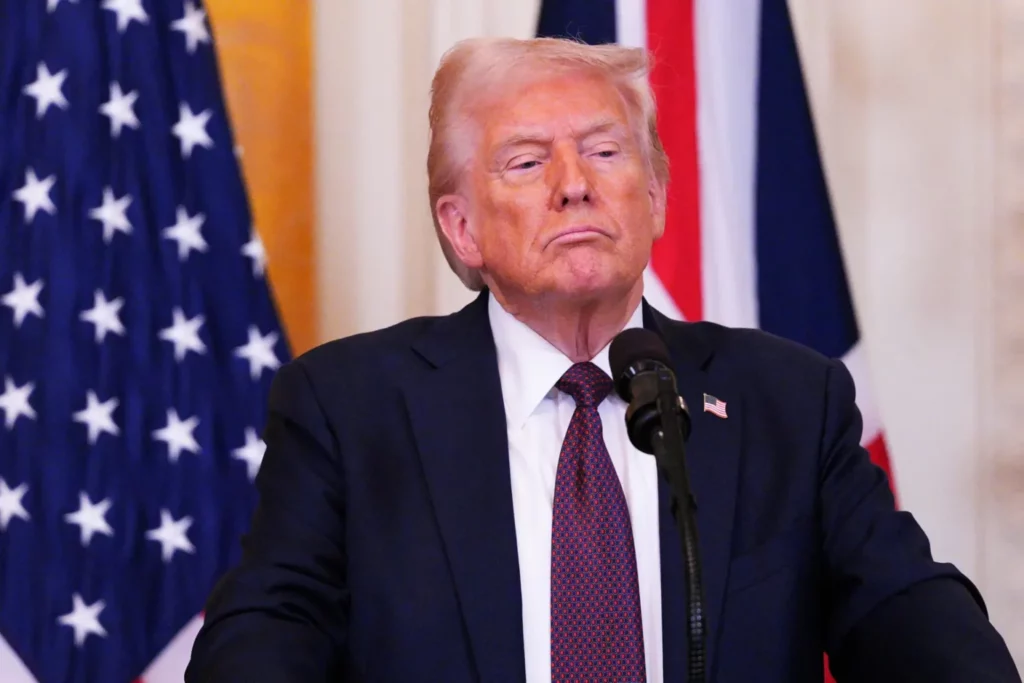
Pope Leo XIV has declined an invitation to participate in a proposed international initiative known as the “Board of Peace.” The invitation had been extended by former U.S. President Donald Trump as part of an effort to establish a new forum intended to address global conflicts and humanitarian crises.
Senior Vatican officials confirmed that the Holy See reviewed the proposal before deciding not to take part in the project. The decision was explained publicly by Cardinal Pietro Parolin, the Vatican Secretary of State.
Speaking about the matter, Parolin indicated that the Vatican had identified several concerns regarding how the initiative would function within the broader structure of international diplomacy.
Concerns About International Governance
According to Vatican officials, one of the primary issues involves the role of established international institutions. The Holy See has historically supported multilateral approaches to global conflict resolution and humanitarian intervention.
Parolin explained that the Vatican believes organizations such as the United Nations should remain central to managing international crises. He stated, “For us, there are… some critical issues that should be resolved. One concern is that, at the international level, it should above all be the UN that manages these crisis situations. This is one of the points on which we have insisted.”
The statement reflects the Vatican’s longstanding diplomatic philosophy, which emphasizes cooperation among nations and support for global institutions that facilitate dialogue.

Background of the Proposed Initiative
The concept of the “Board of Peace” first emerged earlier this year. The proposal initially focused on overseeing ceasefire arrangements and reconstruction efforts related to the conflict in Gaza.
According to statements describing the plan, the board would bring together international leaders and representatives to coordinate humanitarian assistance and stabilization efforts following periods of conflict.
The initiative has since been described as potentially expanding beyond a single region, with the possibility of addressing a wider range of global disputes.
Financial Commitments and Planned Activities
Public comments about the proposal indicated that billions of dollars could be directed toward humanitarian and reconstruction efforts through the initiative.
Discussions surrounding the plan have included the possibility of international participation in stabilization and security operations designed to support post-conflict recovery.
While detailed operational plans have not yet been fully outlined, early meetings connected to the project are expected to take place in Washington.
Diplomatic Reactions to the Proposed Membership
The list of potential participants associated with the initiative has also attracted attention in diplomatic circles. Some governments have expressed curiosity about how the proposed board would operate and how its membership would be structured.
Reports indicate that several countries have signaled interest in participating in discussions or observing early meetings related to the initiative.
At the same time, observers have noted that the composition of the proposed group could shape how the project is perceived internationally.
The Vatican’s Diplomatic Approach
The Holy See maintains a unique position in global diplomacy. While it does not function as a traditional political power, it participates in international discussions as a moral and humanitarian voice.
The Vatican holds permanent observer status at the United Nations and frequently advocates for peaceful dialogue and multilateral cooperation in addressing international challenges.
For this reason, Vatican officials emphasized that their decision reflects institutional principles rather than opposition to any particular country or leader.
Existing Dialogue Between the Vatican and U.S. Leadership
The relationship between the Vatican and American political leaders has included both cooperation and policy differences over the years. Issues such as immigration policy, humanitarian concerns, and international diplomacy have been frequent topics of discussion.
Pope Leo XIV has previously spoken publicly about the importance of protecting human dignity and addressing migration issues with compassion and fairness.
Statements made by Vatican representatives often emphasize the role of legal systems, humanitarian support, and international cooperation in addressing complex social challenges.
Emphasis on Dialogue and Peacebuilding
The current pontiff has consistently highlighted the importance of diplomacy that encourages dialogue among nations. In remarks to international diplomats earlier this year, he spoke about the need to strengthen cooperative approaches to global conflict resolution.
In that address, he warned about rising tensions in international relations and encouraged efforts that prioritize negotiation and consensus.
These themes reflect the Vatican’s broader emphasis on diplomacy grounded in communication and mutual understanding.
The Future of the Proposed Initiative
Although the Vatican has chosen not to participate, discussions surrounding the “Board of Peace” initiative are expected to continue. Organizers have indicated that the project may still move forward with support from participating countries and observers.
As international conversations about conflict resolution and humanitarian response evolve, the initiative may become part of broader discussions about new diplomatic frameworks.
For now, the Vatican’s decision underscores its commitment to established multilateral institutions and its preference for collaborative approaches to international peace efforts.
An Ongoing Global Conversation
The debate surrounding the proposed initiative highlights the complexity of modern diplomacy. Governments, international organizations, and humanitarian groups often pursue different strategies for addressing global crises.
While opinions may differ on the best path forward, the shared goal of promoting stability and reducing conflict remains central to international discussions.
As diplomatic efforts continue worldwide, conversations about new approaches to peacebuilding are likely to remain an important part of global policy debates.